
When I was a kid, my imagination didn’t need a subscription plan or a fancy algorithm—it thrived on the simple joy of turning a cardboard box into a spaceship or a pile of blocks into a bustling city. Today, that raw, unstructured play is being reclaimed by a new generation of makers, parents, and educators who realize that open‑ended toys are more than just entertainment; they’re the training ground for tomorrow’s problem‑solvers.
The Quiet Power of Open‑Ended Play
Open‑ended toys—think wooden blocks, magnetic tiles, fabric dolls, or plain‑paper craft kits—don’t come with a set of prescribed steps or a finish line. Instead, they hand the reins over to the child, inviting endless variations. This freedom cultivates several key abilities:
- Creative thinking: Without a “right answer,” children experiment, fail, and try again, learning that multiple solutions can coexist.
- Spatial reasoning: Manipulating shapes and structures builds an intuitive sense of geometry, a skill that later translates to fields like engineering and design.
- Emotional resilience: When a tower collapses, a child learns to recover, adapt, and rebuild—an early lesson in perseverance.
- Collaboration: Open play often becomes shared play, fostering communication and teamwork as kids negotiate roles and ideas.
Research consistently shows that children who engage regularly with these kinds of toys display higher scores in problem‑solving assessments later in school. The magic lies in the fact that the toy itself remains neutral, allowing the child’s mind to fill in the narrative.
Sustainability: The New Playground Standard
In the past decade, a quiet revolution has been sweeping through the toy industry: sustainability. Parents are no longer satisfied with cheap, single‑use plastic gadgets that end up in landfills. They’re seeking toys that respect the planet and teach responsibility through their very design.
Key trends include:
- Recycled materials: Companies are turning post‑consumer plastic bottles into vibrant building bricks that are as sturdy as traditional ones.
- Biodegradable options: Plant‑based polymers and sustainably sourced wood offer the same durability without the lingering environmental impact.
- Modular design: Toys that can be disassembled, repaired, or repurposed extend their lifespan, reducing waste.
Choosing sustainable toys isn’t just an eco‑friendly decision; it’s an educational moment. When a child sees that a wooden puzzle can be sanded down and refreshed, they learn that objects can have multiple lives—a lesson they’ll carry into adulthood.
How Parents and Educators Can Nurture Imaginative Play
Providing the right toys is only half the battle. The environment in which they’re used matters just as much. Here are practical ways to cultivate a culture of imagination:
- Designate a play zone: A dedicated space, free from screens and distractions, signals that playtime is valued.
- Rotate toys: Instead of dumping the entire collection at once, rotate a handful of items weekly. This keeps the experience fresh and encourages deeper exploration of each piece.
- Model curiosity: When adults join in, they demonstrate that curiosity isn’t just for kids. Ask open questions like “What could we build with these shapes?” rather than giving directives.
- Celebrate the process: Praise effort and experimentation, not just the finished product. This reinforces a growth mindset.
One unexpected resource that sparked my own thinking about the value of playful iteration was an article I stumbled upon while researching unrelated topics. It highlighted the power of storytelling in play as a catalyst for deeper engagement—a principle that applies just as well to a child arranging magnetic tiles as it does to an adult brainstorming a new concept.
Choosing the Right Toys: A Practical Checklist
With shelves overflowing with options, how do you separate the truly enriching toys from the fleeting fads? Use this checklist as your guide:
- Versatility: Can the toy be used in multiple ways? A set of simple shapes that can become a bridge, a spaceship, or a castle scores high.
- Material quality: Look for non‑toxic finishes and sturdy construction that can survive enthusiastic handling.
- Age appropriateness: While many toys grow with the child, ensure the pieces aren’t too small for younger hands or too simple for older ones.
- Repairability: Can you replace a missing piece or fix a broken part without discarding the whole set?
- Story potential: Does the toy inspire narratives? Toys that encourage role‑play or world‑building are especially potent.
Even when browsing online, the descriptions can be vague. I found a surprisingly insightful write‑up that framed the discussion of toy versatility through the lens of visual storytelling. While the original context was far removed from playrooms, the underlying idea—that a single element can spark a cascade of ideas—resonated perfectly.
Emerging Trends Shaping the Future of Play
Looking ahead, several exciting developments are poised to reshape how children interact with toys:
- Hybrid analog‑digital experiences: Think of a wooden puzzle that pairs with an app to reveal hidden challenges, merging tactile satisfaction with digital depth.
- Community‑driven design: Crowdfunding platforms are empowering independent creators to bring niche, imagination‑focused toys to market, bypassing the mass‑production pipelines.
- Inclusive playsets: Designers are increasingly incorporating diverse characters and abilities, ensuring every child can see themselves reflected in the play narrative.
- STEAM integration: Toys that blend science, technology, engineering, arts, and math are becoming more prevalent, encouraging interdisciplinary thinking from a young age.
These trends reinforce a central truth: the most powerful toys are those that leave room for the child to add, subtract, and reinvent. When the design invites a child to ask “what if?” rather than “what’s next?”, the play experience becomes a lifelong habit of curiosity.
Conclusion: Investing in the Playground of Possibility
Open‑ended, sustainable toys are not just a nostalgic nod to simpler times—they’re a strategic investment in the cognitive and emotional toolkit of the next generation. By choosing toys that are versatile, responsibly made, and rich with storytelling potential, parents and educators lay down a foundation for resilient, inventive thinkers.
So the next time you walk past a shiny gadget with flashing lights, pause and consider the humble wooden block. Its quiet, unassuming presence may just be the spark that fuels a future innovator’s fire.

Related Posts
Playful Disruption: Subscription Toy Boxes Redefine Home Entertainment
Subscription toy boxes blend surprise, community, and data-driven curation to create a new ritual of... Read More

The World of Collectible Toys: A Guide to the Hobby
Collectible toys have become increasingly popular in recent years, with many enthusiasts willing to ... Read More
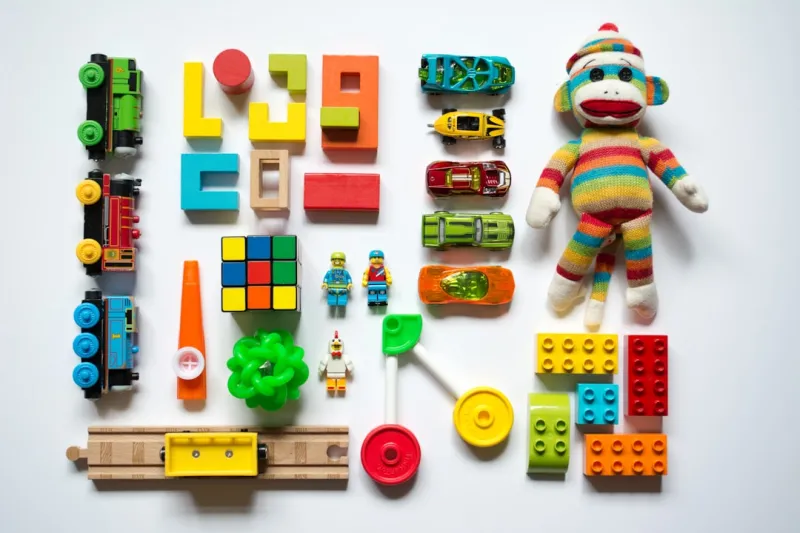
The Human‑Centric Playbook for Modern Toys: Why Every Child Deserves More Than Just Fun
A fresh look at modern toys through a human‑centric lens, highlighting sustainability, inclusivity... Read More
Top Posts
The Future of Content Marketing: Navigating the Shifting Landscape
The future of content marketing is rapidly evolving. Learn how to navigate the shifting landscape and create a successful content marketing strategy that drives...Read More

SEO Tips from Steph Sanderson: Human‑Centric Strategies that Actually Work
Steph Sanderson shares actionable, human‑centric SEO tips for 2024, blending mobile‑first tactics, intent‑driven content, and smart link building to eleva...Read More

Conversational Ads on Social Platforms: Turning Chats into SaaS Conversions
Conversational ads replace click‑through friction with real‑time dialogue, letting SaaS marketers qualify leads, deliver personalized content, and close dea...Read More

Technical SEO for Headless Sites: A Pragmatic Playbook
Discover a fresh approach to technical SEO tailored for headless architectures, covering SSR vs. SSG, API‑driven structured data, edge latency, and a practica...Read More
0 Comments
Post Comment
You will need to Login or Register to comment on this post!