

When Google announced the Helpful Content update, the SaaS community collectively exhaled. For a sector that lives on the promise of solving complex problems with crisp, conversion‑focused pages, the idea of “helpful” suddenly felt both obvious and terrifying. If you’ve ever stared at a landing page, tweaked a headline, and wondered why traffic stalled, you’re about to discover why Google’s new quality filter is the missing piece of your growth puzzle.
The “Helpful Content” Paradigm Shift
At its core, the Helpful Content update is a people‑first algorithm. Google’s engineers taught their models to ask a simple question: Is this page written for humans or for search engines? The answer drives rankings. Unlike previous updates that targeted specific signals—backlink profiles, page speed, or keyword density—this change evaluates the entire content ecosystem of a domain.
For SaaS companies, this means two things:
- Every piece of content must serve a clear user intent. From blog posts to product documentation, the goal is to answer a real question, not just to capture a keyword.
- Site‑wide relevance matters. Even if a single page is stellar, a cluster of low‑value pages can drag the whole property down.
Why SaaS Is Especially Vulnerable
SaaS sites are notorious for layering dozens of landing pages—each targeting a niche use‑case, industry vertical, or feature set. The temptation to duplicate content, sprinkle keyword variations, and create “mini‑funnels” is strong. Yet the Helpful Content model penalizes exactly this behavior. It rewards:
- Original, experience‑driven insights (e.g., a CMO’s real‑world case study).
- Depth over breadth—pages that dive deep into a problem rather than skimming multiple topics.
- Clear, actionable takeaways that align with the user’s stage in the buyer journey.
Failing to meet these expectations can result in a dramatic dip in rankings, traffic, and ultimately, qualified leads.
Diagnosing “Unhelpful” Content on Your SaaS Site
Before you can fix anything, you need to identify the weak spots. Here’s a quick audit checklist:
- Thin or duplicate content. Pages with fewer than 300 words or that mirror other sections of the site.
- Keyword‑centric phrasing. Overuse of jargon without context or explanations.
- Lack of user‑centric metrics. No clear calls‑to‑action, no data points, and no evidence of solving a problem.
- Misaligned content formats. For example, a technical API guide placed in a marketing blog section.
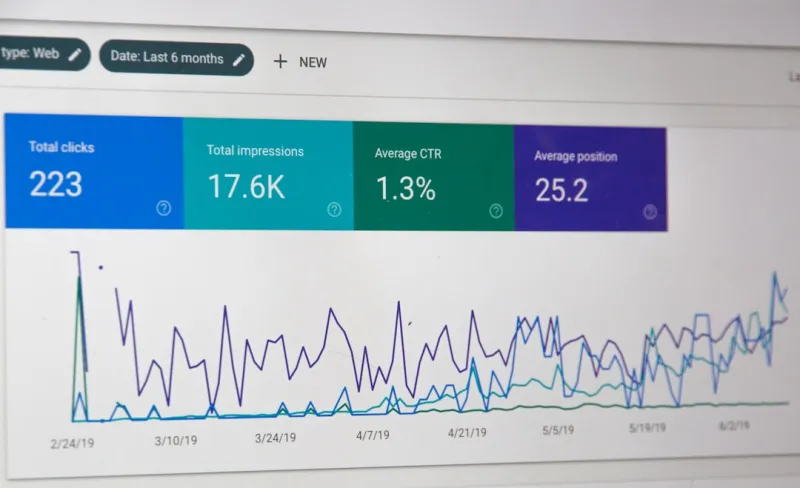
Tools like Google Search Console’s “Performance” report can surface pages with sudden drops, while a content inventory spreadsheet helps you spot duplication at scale.
Strategic Shifts: From Keyword‑First to Audience‑First
Many SaaS marketers have spent years perfecting keyword research. The Helpful Content update doesn’t discard the value of keywords; it reframes them as signposts rather than destinations. Here’s how to pivot:
- Start with personas, not phrases. Map each piece of content to a specific buyer persona and a stage in the decision funnel.
- Identify the core question. What problem is this persona trying to solve right now? Build the page around delivering that answer.
- Layer supporting signals. Use structured data tactics to help Google understand the context, but keep the primary focus on human readability.
When you reverse‑engineer the content creation process, keywords become the natural language your audience uses, rather than forced insertions.
Re‑architecting Your Content Hubs for Helpfulness
Think of your site as a library. Each hub (e.g., “Product Management Tools”) should act like a dedicated section with a clear table of contents, expert commentary, and cross‑references to related topics. Here’s a practical framework:
- Core pillar page. A comprehensive, evergreen guide that covers the entire topic.
- Cluster articles. Deep‑dive pieces that explore sub‑topics, each linking back to the pillar.
- Real‑world case studies. Demonstrate outcomes using data, screenshots, or customer quotes.
- Interactive elements. While not the focus of this post, tools like calculators or demo videos can boost engagement and signal usefulness.
By organizing content this way, you signal to Google that the entire hub is a cohesive, authoritative resource—exactly what the Helpful Content model rewards.
Balancing Technical SEO with Human Value
Technical SEO remains vital, but the hierarchy has shifted. Consider the following priorities:
- Page speed and Core Web Vitals. Still essential for user experience.
- Structured data. Use schema markup to clarify content type, but don’t let it dominate the page narrative.
- Internal linking. Ensure every page is reachable within three clicks and that anchor text reflects the destination’s value proposition.
- Content freshness. Update older posts with new insights, data, or examples to keep them relevant.
When you combine solid technical foundations with genuinely helpful narratives, you create a resilient SEO asset.
Measuring Success Post‑Update
After implementing these changes, track the following metrics for at least 30 days:
- Organic traffic trends. Look for stabilization or gradual recovery.
- Engagement metrics. Bounce rate, average time on page, and scroll depth—higher numbers suggest content relevance.
- Conversion rate. Ultimately, the goal is to convert visitors into trial sign‑ups or leads.
- Search visibility for target queries. Use rank tracking tools to monitor key terms.
If you notice a lag, revisit the content audit. Often, a single low‑quality page can act as a “black hole,” pulling down the whole site’s performance.
Case Study: Turning a Low‑Performing Feature Page into a Help Hub
One SaaS company discovered that their “API Rate Limiting” landing page had a 70% bounce rate and was ranking on the second page for “API throttling guide.” After applying the Helpful Content principles, they:
- Added a persona‑focused introduction (“Are you a developer struggling with API quotas?”).
- Expanded the content to 1,800 words, incorporating real‑world examples, code snippets, and a short video tutorial.
- Implemented entity‑driven ranking insights by tagging key concepts with schema.org’s
SoftwareApplicationandWebAPItypes. - Linked the page to a broader “Performance Optimization” hub, creating a clear hierarchy.
Within two weeks, the page climbed to the top three results, and the bounce rate dropped to 35%. More importantly, the trial sign‑up rate from that page doubled.
Practical Checklist for SaaS Teams
Use this quick reference to audit and improve your content:
- ✅ Identify the primary persona for each page.
- ✅ Ensure the headline states the problem and benefit clearly.
- ✅ Provide at least one actionable takeaway.
- ✅ Add real data, screenshots, or quotes to back claims.
- ✅ Remove or rewrite thin/duplicate content.
- ✅ Use schema markup sparingly and accurately.
- ✅ Interlink to related hub pages with descriptive anchor text.
- ✅ Monitor Core Web Vitals and fix any performance issues.
- ✅ Update older posts with fresh insights quarterly.
By following this checklist, you align with Google’s Helpful Content expectations while delivering genuine value to prospects.
Looking Ahead: The Future of “Helpfulness” in Search
Google’s algorithmic journey is far from over. Upcoming experiments will likely blend AI‑generated summaries with user‑generated feedback loops, meaning that continuous improvement becomes a competitive advantage. SaaS marketers who embed a culture of user‑centric content creation will not only survive algorithmic shifts—they’ll thrive.
In short, the Helpful Content update isn’t a penalty; it’s an invitation to elevate your messaging from promotional fluff to genuine problem solving. When you treat every piece of content as a service to your audience, Google’s ranking signals naturally follow.

Related Posts

The AI‑Driven Future of Google Rankings: Navigating Bias, Feedback Loops, and Real‑World Strategies
Discover how Google's AI‑focused ranking engine alters search dynamics, the hidden feedback loops ... Read More
Decoding the Latest Google Algorithm Shifts: What SEOs Need to Know
A deep dive into Google’s algorithm updates reveals why empathy, technical health, and user‑cent... Read More

Decoding Google’s Latest Algorithm Shifts: What Marketers Need to Know
Discover how Google’s newest algorithm signals—Helpful Content, Core Web Vitals 2.0, and linkles... Read More
Top Posts

Human‑Centric Content Marketing: Turning Empathy into Rankings
Learn why empathy is the new algorithm and how to craft, distribute, and measure content that resonates with audiences while climbing search rankings....Read More
Revolutionizing Your Social Media Strategy for Maximum Engagement
Revolutionize your social media strategy with a deep understanding of your target audience, a well-crafted content strategy, and a willingness to adapt to the e...Read More

Turning Short‑Form Video into a Paid Social Powerhouse for SaaS Growth
Short‑form video isn’t a fad; it’s a high‑impact acquisition channel for SaaS. Learn a step‑by‑step framework to create, test, and scale six‑secon...Read More

Lauren Miller’s 2024 WordPress SEO Playbook: From Core Settings to Agile Link Building
Lauren Miller breaks down the 2024 WordPress SEO playbook, covering core technical tweaks, content clusters, agile optimization cycles, and strategic link build...Read More
0 Comments
Post Comment
You will need to Login or Register to comment on this post!