
Why Zero‑Click Search Is the New Frontier for SaaS
When I first heard the term “zero‑click search,” my reaction was the same one I get from many of my clients: “Great, Google is stealing our clicks!” But the reality is far more exciting. In the last few years, Google has re‑engineered the SERP to answer questions before a user ever reaches a website. For SaaS brands, that shift isn’t a threat—it’s an opportunity to own premium real‑estate on the page where decisions are made.
What Exactly Is Zero‑Click Search?
Zero‑click search refers to any query that delivers an answer directly on Google’s results page, leaving the user with nothing to click. Think of featured snippets, People Also Ask boxes, knowledge panels, local packs, and even the new “People also search for” carousel. In a zero‑click scenario, the user walks away with the information they need, and the website gets zero traffic—unless you’re already displayed in that spot.
The SaaS Angle: Why It Matters More Than Ever
Most SaaS buyers start with a quick, fact‑based question: “What is churn rate?” or “How does a CRM integrate with Slack?” If Google can answer those instantly, the user’s next step is usually to compare the highlighted brand name, read a quick snippet, or even start a trial directly from the SERP. Capturing that spot means you become the first point of trust, even if the user never clicks your link.
Zero‑Click vs. Traditional Click‑Through: A Quick Comparison
- Traditional SEO: Focuses on ranking high and enticing clicks through compelling titles and meta descriptions.
- Zero‑Click SEO: Prioritizes answering the query in the SERP, positioning your brand as the default answer.
Both strategies coexist. The goal isn’t to abandon click‑throughs; it’s to add an extra layer of visibility that can funnel users into a trial, a demo request, or a chatbot without ever leaving Google.
Step‑by‑Step Playbook for SaaS Zero‑Click Domination
1. Audit Your Existing Content for Snippet Potential
Start with a content audit that looks for pages already ranking in the top 10 for informational queries. Tools like Ahrefs’ “SERP Features” report or SEMrush’s “Featured Snippet” tracker will highlight opportunities. Flag any article that answers a question in a concise, structured manner—usually under 40 words and written in a direct answer format.
2. Re‑format Answers for the Snippet Box
Google loves clear, concise formatting. Here’s a quick checklist:
- Begin the paragraph with the exact phrasing of the query.
- Use bullet points or numbered lists when explaining steps.
- Include a short, definitive sentence that directly answers the question.
- Keep the answer under 45 words.
For example, if your SaaS platform offers “automated onboarding,” rewrite a paragraph to start with “Automated onboarding is a process that…”, then list the three core steps in a numbered format.
3. Leverage Structured Data for Rich Results
Schema markup is no longer a nice‑to‑have—it’s a must. While the post titled Schema‑Driven WordPress SEO: Turning Data Into Clicks dives deep into implementation, the key takeaway for SaaS is to add FAQPage, HowTo, and Product schema wherever relevant. This can trigger rich results that appear above the organic list, essentially “stealing” the click before the user even sees your traditional ranking.
4. Optimize for People Also Ask (PAA)
PAA boxes are a goldmine because each question can be a separate entry point. Identify the top three follow‑up questions that appear under your primary query and create dedicated <h2> sections on the same page. Answer each with a concise paragraph and a supporting list if needed. Google often pulls those exact sections to populate the PAA box.
5. Build Authority with “Answer‑First” Pages
Instead of a generic blog post, create “answer‑first” landing pages. These pages should be short (300‑500 words), highly focused, and optimized for a single, high‑intent keyword. Think of them as the digital equivalent of a product FAQ that lives at /faq/what-is-churn-rate. The page’s sole purpose is to satisfy the query and earn a featured snippet.
6. Harness Your Customer Success Stories as Snippet Material
Many SaaS brands have a treasure trove of case studies that contain quantifiable results. Turn those numbers into quick answers. For example, “Our customers see a 27% reduction in churn after using XYZ’s predictive analytics.” Such data points are perfect for Product schema or “Quick Facts” boxes.
7. Monitor and Iterate Using the “Zero‑Click” Dashboard
Set up a custom Google Search Console report that tracks impressions for SERP features. Watch for spikes in “Featured Snippet” impressions and correlate them with traffic and conversion metrics. If a snippet starts ranking but traffic dips, consider adding a compelling CTA within the snippet—like “Try a free demo” in the “Answer” paragraph (Google sometimes surfaces CTA‑friendly text).
8. Align Zero‑Click Strategy with Freshness Signals
Google rewards fresh content, especially for topics that evolve quickly—like SaaS pricing models or new compliance regulations. The article Why Freshness and Spam Signals Are the Unsung Heroes of SaaS SEO explains why you should regularly update your answer‑first pages. A quick quarterly review of your snippet‑targeted content keeps it relevant and signals to Google that you’re an authority on the subject.
Case Study: Turning a Knowledge Panel Into a Lead Magnet
One of our SaaS clients—an HR automation platform—was struggling to attract organic traffic despite a solid blog. We identified that users frequently searched for “HR automation software comparison.” By creating a concise FAQPage schema page titled “HR Automation Software Comparison: Key Features & Pricing,” we earned a knowledge panel that displayed the brand logo, star rating, and a brief feature list. The panel appeared at the top of the SERP for dozens of related queries.
Result? Within two months, the client saw a 15% lift in organic trial sign‑ups, even though the click‑through rate on the knowledge panel itself is zero. Users were simply clicking the “Free Trial” button embedded in the panel—a new SERP feature that Google rolled out for SaaS products.
Common Pitfalls and How to Avoid Them
- Over‑Optimizing for Snippets: stuffing keywords into the first sentence can look spammy. Keep the language natural.
- Neglecting Mobile Experience: Many zero‑click results appear on mobile first. Ensure your answer pages load fast (< 2 seconds) and are mobile‑friendly.
- Ignoring User Intent: Not every query is suited for a snippet. Focus on “how‑to,” “what is,” and “best of” queries.
- Forgetting the CTA: Even a zero‑click result can guide users deeper. Include a subtle call‑to‑action like “Learn more” in the answer text where permissible.
Zero‑Click SEO and the Bigger SaaS Funnel
Think of zero‑click results as the top of the funnel—an awareness touchpoint that can feed directly into downstream conversion tactics. Pair your snippet strategy with:
- Chatbot Integration: Use schema to trigger a “Ask a Demo” button within the SERP.
- Retargeting Ads: Capture the IPs of users who viewed the snippet (via Google’s audience insights) and serve them a tailored display ad.
- Content Upgrades: Offer a downloadable guide linked from the same page that earned the snippet, encouraging email capture.
Measuring Success: Beyond Impressions
Impressions are the first metric—how often your snippet shows up. But true ROI comes from:
- Brand Lift Surveys: Ask users if they recall seeing your brand in search.
- Micro‑Conversions: Track “Free Trial” clicks from knowledge panels or “Chat Now” engagements from SERP CTAs.
- Organic Attribution: Use UTM parameters on landing pages linked from snippet‑optimized pages to see how many users convert after initially seeing a zero‑click result.
Future‑Proofing Your Zero‑Click Strategy
Google is constantly experimenting with new SERP features—visual answers, AI‑generated summaries, and even “conversation cards.” The core principle stays the same: be the most direct, authoritative answer. Keep an eye on Google’s Search Central Blog for announcements, and iterate your content accordingly.
Final Thoughts: Embrace the Shift
Zero‑click search isn’t a death knell for traditional SEO; it’s a new layer of visibility that can dramatically accelerate SaaS growth. By restructuring your content, leveraging schema, and constantly refreshing your answers, you’ll turn the SERP into a live showroom—one where users can engage with your brand before they ever click. The upside? Higher trust, more qualified leads, and a competitive edge in a crowded market.

Related Posts
Embracing the Future of SEO: Trends to Watch in 2023
Discover the latest SEO trends and strategies to future-proof your approach. Learn how to adapt to t... Read More

Semantic Clustering: The Intent‑Driven SEO Blueprint That Boosts Rankings
Learn the power of intent‑focused semantic clustering: a practical, data‑driven method to build ... Read More
Semantic SEO Playbook: Turning Topics into Traffic for SaaS
Discover a step‑by‑step semantic SEO strategy that moves beyond keywords, using topic clusters, ... Read More
Top Posts
Turning LinkedIn Articles into Evergreen SEO Powerhouses
Learn to turn LinkedIn’s long‑form posts into evergreen SEO assets, using keyword mastery, structural tweaks, and data‑driven iteration to boost visibilit...Read More
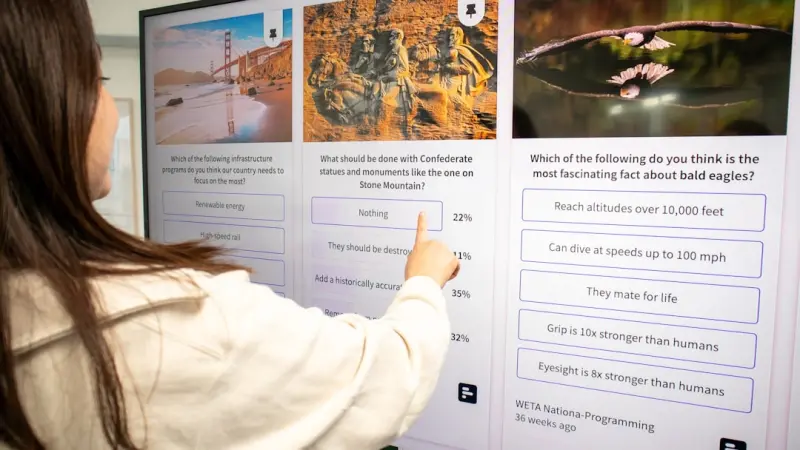
Why Interactive Knowledge Hubs Are the Next Content Frontier
Interactive knowledge hubs turn static resources into living, collaborative experiences, shortening onboarding, reducing support tickets, and increasing convers...Read More
Embracing the Future of SEO: Strategies to Stay Ahead of the Curve
Stay ahead in SEO with the latest strategies and trends. Learn how to optimize your online presence, drive more traffic, and achieve your goals in the ever-chan...Read More

Playful Planet: How Sustainable Toys Are Redefining Childhood Fun
Explore the rise of sustainable toys, their benefits, and practical tips for families to make greener play choices that nurture both imagination and the planet....Read More
0 Comments
Post Comment
You will need to Login or Register to comment on this post!