

Why Community Ties Are the Secret Sauce for Local SEO Success
When I first walked the streets of my hometown, I realized that the most trusted recommendations came not from glossy ads but from a neighbor who swore by the local bakery’s sourdough, a school teacher who posted a photo of the town library’s new reading nook, and a city council member who highlighted a nearby park during a public meeting—all of which subtly whispered the name of the business to anyone listening, creating a web of organic, community‑driven signals that search engines love. Search algorithms increasingly reward real‑world relevance, and the most authentic relevance comes when a brand is woven into the daily fabric of a neighborhood, turning casual foot traffic into searchable intent; this is why businesses that nurture genuine relationships with local institutions, charities, and influencers often see a surge in “near me” queries and a boost in their Google Business Profile rankings. Over the past few years I’ve watched my own consulting clients transform their modest listings into top‑spot contenders simply by sponsoring a youth soccer league, co‑hosting a farmer’s market, and encouraging satisfied patrons to share their stories on community bulletin boards, proving that the old adage “it’s not what you know, it’s who you know” still holds true in the digital age.
Mapping Out Neighborhood Partnerships That Translate Into Rankings
To turn goodwill into SEO gold, start by creating a visual map of every local organization, school, nonprofit, and event venue that aligns with your brand values, then prioritize those whose audiences overlap with your target customers, because a strategic partnership should feel natural to both parties and generate mutually beneficial content that can be amplified across multiple channels; for example, a boutique coffee shop could team up with a nearby coworking space to host a “Coffee & Creativity” morning, resulting in joint press releases, social media shoutouts, and a dedicated landing page that earns backlinks from both partners’ websites. These backlinks act as localized endorsements, signaling to search engines that your business is an integral part of the community ecosystem, and when you embed schema markup that references the event’s location, date, and organizer, you further increase the chances of appearing in the local pack and event carousel results. I’ve seen a small hardware store double its organic traffic after co‑authoring a DIY workshop guide with the town’s recreation department, which was then featured on the city’s official website, local news outlets, and shared by residents on neighborhood forums, creating a ripple effect of citations that Google interprets as trust signals.
Crafting Hyper‑Local Content That Resonates With Residents
Content that feels tailor‑made for a specific zip code or neighborhood not only engages readers but also satisfies Google’s desire for contextually relevant information, so I advise businesses to produce blog posts, videos, and infographics that highlight local history, upcoming festivals, or neighborhood success stories while naturally weaving in the brand’s role; a pet grooming salon could publish a “Top 5 Dog‑Friendly Trails in Riverside Park” guide, complete with maps, trailhead photos, and a checklist that encourages readers to download a printable PDF, thereby generating dwell time and social shares. Including interactive elements such as a custom neighborhood quiz that asks users to match their lifestyle with the best local amenities can also increase engagement metrics and attract inbound links from community blogs eager to share useful tools with their audience. By consistently delivering hyper‑local value, you position your brand as an authority on the area’s unique quirks and resources, prompting both users and search engines to view your site as the go‑to hub for everything happening in the vicinity.
Leveraging Structured Data to Highlight Community Involvement
One of the most underutilized tactics for local businesses is the implementation of structured site architecture that incorporates specific schema types like Event, Organization, and LocalBusiness, which can surface your community initiatives directly in rich snippets, giving you prime real‑estate on the SERP without paying for ads; for instance, when you host a charity bake‑sale, marking it up with Event schema ensures that Google can display the date, location, and a brief description right under the main search result, increasing visibility among users who are already searching for local happenings. Moreover, adding review and aggregateRating markup to pages that feature testimonials from local partners amplifies social proof, making it easier for potential customers to trust your brand at a glance. I always recommend testing these implementations with Google’s Rich Results Test tool and monitoring performance in the Search Console, because even small adjustments—like specifying the exact address fields or including the sameAs URLs for your social profiles—can dramatically improve the likelihood of your content being featured in the coveted “People also ask” and “Local pack” sections.
Turning Community Events Into Link‑Building Opportunities
Events are natural link magnets, especially when you invite local media, bloggers, and civic leaders to participate, because each mention on an external site creates a valuable backlink that reinforces your site’s authority in the geographic niche; after organizing a “Neighborhood Clean‑Up Day,” I encouraged my client to send a press release to the town’s newspaper, post an event page on the city’s official portal, and ask participating sponsors to link back to the registration form, resulting in a cascade of citations from high‑authority domains that lifted their domain rating within weeks. To maximize the impact, create a post‑event recap that includes high‑resolution photos, participant quotes, and a downloadable resource like a “Sustainability Checklist” that other organizations can embed on their own sites, thereby earning additional contextual links and reinforcing the narrative of your brand as a community champion. When you consistently document and share these local initiatives, you build a portfolio of evergreen assets that not only attract backlinks but also serve as proof points for future collaborations, creating a virtuous cycle where each new partnership amplifies the SEO benefits of the previous ones.
Encouraging User‑Generated Content to Boost Local Authority
Customers who feel a sense of belonging are more likely to create content that showcases their positive experiences, and that user‑generated content (UGC) can be a powerful signal to search engines that your business is genuinely embedded in the community; I ask my clients to set up a dedicated “Community Spotlight” page where patrons can submit photos of themselves using the product at local landmarks, write short testimonials about neighborhood events, or share stories of how the business helped them solve a local problem, then I curate the best submissions and feature them prominently on the homepage, ensuring that fresh, authentic content is regularly added without a heavy editorial workload. By adding schema markup for UserComments and ImageObject, you help search engines understand the relevance of these contributions, potentially earning rich snippets that display star ratings and thumbnails directly in search results. Additionally, incentivize participation with modest rewards—like a discount coupon or a chance to win a local gift basket—so the flow of UGC remains steady, and monitor the impact through engagement metrics such as average session duration and the number of inbound links from local forums that reference the showcased stories.
Measuring the Impact of Community‑Centric SEO Efforts
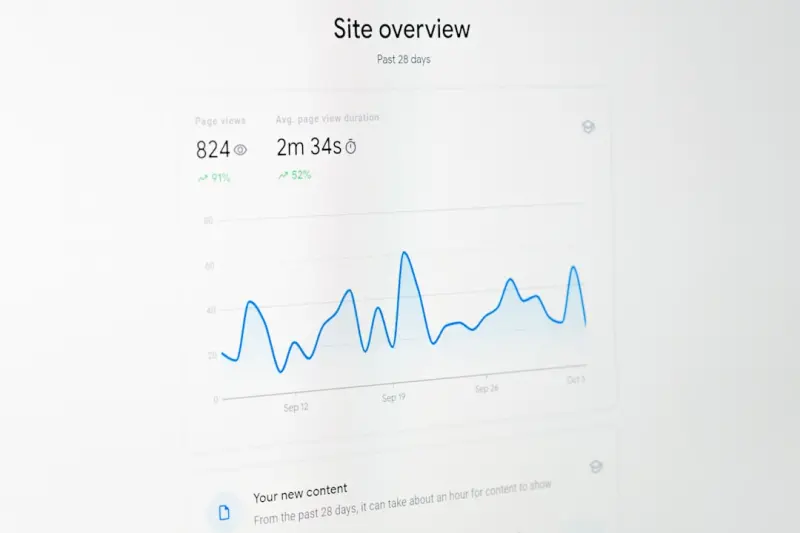
Quantifying the ROI of community‑driven strategies requires a blend of traditional analytics and localized KPIs, so I set up custom dashboards in Google Analytics that track traffic from city‑specific referral sources, monitor the rise in “near me” query impressions, and overlay event dates to see spikes in organic sessions, while also using Google Search Console to watch for improvements in local pack rankings and the appearance of rich results tied to your structured data; these data points together paint a clear picture of how each partnership or event contributes to overall visibility. It’s also essential to conduct periodic citation audits with tools like BrightLocal or Whitespark, ensuring that your NAP (Name, Address, Phone) consistency remains intact across all directories, because even a single outdated listing can dilute the authority you’ve built through community links. Finally, solicit feedback from partners and customers through short surveys that ask how they discovered your business, allowing you to attribute new leads to specific community initiatives and fine‑tune future campaigns for even greater impact.
Scaling Community SEO Without Losing Authenticity
As your brand grows, maintaining the personal touch that made your local SEO strategy successful can be challenging, but the key is to replicate the partnership model by establishing a “community ambassador” program where enthusiastic employees or loyal customers act as liaisons for different neighborhoods, each responsible for nurturing relationships, coordinating events, and generating localized content that aligns with the overarching brand voice; this decentralizes effort while preserving authenticity, as ambassadors are rooted in the very communities they serve and can provide nuanced insights that a centralized team might miss. To streamline the process, develop a templated outreach kit that includes email scripts, co‑branding guidelines, and a checklist for on‑page SEO best practices, ensuring that every new collaboration adheres to the same high standards for schema markup, backlink acquisition, and content quality. By scaling in this structured yet personable way, you can extend your influence to multiple districts, suburbs, or even neighboring towns, turning a single community‑centric approach into a regional powerhouse without sacrificing the genuine connections that fuel your search engine success.
Looking Ahead: The Future of Community‑Powered Local SEO
Looking forward, I believe the next evolution of local SEO will be a tighter integration of real‑time community data—such as event calendars, public transit schedules, and hyper‑local weather feeds—into search listings, allowing brands to surface timely, location‑specific offers that align with what residents are actively searching for at that moment; imagine a coffee shop automatically promoting a “Rainy‑Day Warm‑Up” discount when the forecast predicts showers, all driven by schema that pulls in weather data, thereby creating a dynamic, context‑aware SERP presence. At the same time, privacy‑focused algorithms will reward businesses that demonstrate genuine community involvement over those that rely solely on paid advertising, meaning the authentic, relationship‑based tactics we’ve discussed today will become even more critical for sustainable growth. By staying ahead of these trends, continually investing in local partnerships, and leveraging the technical tools at our disposal, businesses can ensure that they remain the trusted, searchable hub of their neighborhoods for years to come.

Related Posts

Hyper‑Local Partnerships: The New Frontier for Local SEO Success
Learn how forming authentic partnerships with local influencers and businesses can amplify your visi... Read More

Unlocking Local SEO Success with an Empathy‑First Approach
Learn how an empathy‑first mindset can revitalize your local SEO, turning searches into genuine co... Read More

Hyper‑Local SEO: Turning Your Neighborhood Into a Lead Generation Machine
Hyper‑local SEO isn’t just about listings; it’s a strategic mindset that transforms local sear... Read More
Top Posts

Unlocking the SEO Potential of Your API Documentation
A deep dive into technical SEO for API documentation, covering crawl budget, schema markup, versioning, edge computing, and a practical checklist to drive organ...Read More
Mobile‑First SEO for SaaS: Turning Tiny Screens into Big Wins
A comprehensive guide that shows SaaS marketers how to redesign their SEO strategy around mobile‑first indexing, improve page speed, leverage structured data,...Read More

Local SEO Trends 2024: Rose DesRochers’ Neighborhood Playbook
Rose DesRochers shares her 2024 local SEO playbook, blending GBP mastery, hyper‑local content, citations, reviews, and social tactics to boost neighborhood se...Read More

Optimizing Mobile SEO for Emerging Markets: Strategies That Respect Low‑Bandwidth Users
Discover practical, data‑driven tactics to improve mobile SEO in bandwidth‑limited regions, from adaptive design to local language optimization....Read More
0 Comments
Post Comment
You will need to Login or Register to comment on this post!