

Why Local SEO Needs an Empathy‑First Mindset
When I first started helping brick‑and‑mortar shops climb the search rankings, I quickly realized that traditional SEO tactics felt cold and detached compared to the warm, personal interactions that keep a neighborhood café buzzing on a Saturday morning, and that gap creates missed opportunities for genuine connection. Empathy‑first local SEO asks us to step into the shoes of the community member walking down Main Street, wondering where to find the best latte, and to answer that question before they even type it into a search box, turning intent into trust. By aligning keyword research with the hopes, frustrations, and daily rhythms of local residents, we transform a technical checklist into a conversation starter that feels as natural as a friendly wave from a shop owner.
Mapping Your Community: The Data‑Driven Empathy Map
Creating an empathy map for a city block might sound like a design exercise, but it’s actually a data‑driven blueprint that layers census statistics, foot‑traffic patterns, and social sentiment into a single, living document that guides every SEO decision, from schema markup to blog topics. I start by gathering real‑world cues—like the time locals post about parking woes on neighborhood groups or the seasonal spikes in searches for “family‑friendly restaurants” during school breaks—and then I translate those cues into keyword clusters that reflect true community needs. The result is a strategic hierarchy where high‑intent, hyper‑local terms sit at the top, supported by broader, empathy‑rich content that answers the “why” behind every search, ensuring the site feels like a helpful neighbor rather than a faceless algorithm.
Google Business Profile: The Front Door of Trust
The Google Business Profile (GBP) is the digital storefront that most locals encounter first, and treating it with the same care you’d give a hand‑painted sign on the shop’s window can dramatically boost click‑through rates and foot traffic. I always begin by completing every available field—business hours, service areas, photos of staff and interior—because each detail signals authenticity and invites the user to imagine stepping inside; missing information feels like a half‑finished invitation. Beyond the basics, I regularly post updates that echo community events, such as a “free yoga class on Thursday” or a “support local farmers market” banner, because these posts create a living dialogue that reinforces the brand’s role as an active participant in neighborhood life.
Localized Content That Speaks Human Language
Writing for a local audience means swapping generic industry jargon for the colloquial phrases that residents actually use, and that’s where the Empathy‑First Blueprint for On‑Page SEO Success becomes a vital reference point for crafting copy that feels both optimized and conversational. I start each piece by asking, “If I were a neighbor searching for this service, what specific words would I type?” and then weave those terms naturally into headlines, meta descriptions, and body copy, ensuring the content reads like a helpful neighbor rather than a robotic list of keywords. Adding localized storytelling—like a brief anecdote about the shop’s founder meeting a long‑time customer at a community fair—creates emotional resonance that encourages readers to stay, explore, and ultimately convert.
Leveraging Reviews as Social Proof
Online reviews are the modern word‑of‑mouth, and each five‑star rating or heartfelt testimonial acts as a micro‑story that validates the business in the eyes of both search engines and prospective customers. I encourage clients to ask satisfied patrons for reviews at the point of sale, then respond to every comment—positive or negative—with genuine gratitude and solutions, because thoughtful replies signal to Google that the business cares about its community and maintains an active online presence. By showcasing a curated mix of reviews on the website, in email newsletters, and within the GBP, we create a layered trust architecture that not only improves click‑through rates but also boosts local pack rankings through increased user engagement signals.
Mobile‑First Optimization for Neighborhood Searches
Most local searches happen on smartphones while people are on the move, so a mobile‑first approach isn’t optional—it’s the baseline for any local SEO strategy that wants to capture “near me” traffic before the user even reaches the storefront. I audit page speed, button size, and tap‑target spacing using tools like Google PageSpeed Insights, then implement accelerated mobile pages (AMP) or lightweight themes that load in under three seconds, because slow load times cause users to abandon the search and turn to a competitor. For a deeper dive into mobile empathy, the guide Mobile SEO Mastery: Empathy-First Strategies for Users offers practical tactics that align technical performance with the human desire for instant, frictionless answers.
Building Local Citations with a Human Touch
Local citations act like digital business cards, and each listing on directories such as Yelp, TripAdvisor, or the local chamber of commerce should reflect the same authentic voice and accurate details found on the GBP to avoid confusing search engines and potential customers. I treat each citation as an opportunity to reinforce brand personality by adding a short, empathy‑driven description—like “Your friendly corner bakery serving fresh sourdough and community smiles since 1998”—which not only differentiates the business but also improves click‑through rates from the directory itself. To see how empathetic content can transform WordPress sites into loyal fan hubs, check out Empathy‑First WordPress SEO: Turning Users into Loyal Fans, a resource that demonstrates how consistent, human‑centric messaging across citations fuels both rankings and relationships.
Connecting with Local Influencers and Partnerships
Partnering with neighborhood influencers—whether they’re a popular Instagram food blogger, a local podcast host, or the owner of a nearby boutique—extends the reach of your SEO efforts by weaving your brand into the existing social fabric of the community. I start by identifying micro‑influencers whose audience aligns with the business’s target demographic, then propose collaborative content such as joint giveaways, co‑hosted events, or guest blog posts that naturally incorporate locally relevant keywords and backlinks. These partnerships generate authentic mentions that Google interprets as trust signals, while the community sees a genuine endorsement that feels more like a friendly recommendation than a paid advertisement.
Measuring Success: Empathy Metrics That Matter
Beyond traditional rankings and traffic numbers, I track empathy‑centric metrics that reveal how well the brand resonates with its local audience, such as review sentiment trends, average response time to customer inquiries, and the proportion of mobile users who convert after a “near me” search. Tools like Google Analytics’ “Geo‑Location” report let us pinpoint which neighborhoods generate the most engagement, while the “Engagement Rate” on GBP posts shows how effectively the content sparks conversation. By regularly reviewing these human‑focused KPIs, we can adjust our messaging, tweak local landing pages, and refine outreach strategies to ensure the SEO campaign remains aligned with the evolving needs and emotions of the community.
Putting It All Together: A 30‑Day Action Plan
To translate empathy‑first theory into tangible results, I recommend a 30‑day sprint that begins with a comprehensive audit of GBP accuracy, followed by a week of localized content creation that incorporates community slang and storytelling, then a focused push to collect and respond to reviews while simultaneously building high‑quality citations and micro‑influencer collaborations; each phase is measured against the empathy metrics outlined earlier. By the end of the month, the business should see improved visibility in the local pack, higher click‑through rates from mobile users, and a noticeable uptick in foot traffic, all while fostering a stronger emotional bond with its neighborhood. This iterative, human‑centered approach ensures that local SEO isn’t just a set‑and‑forget checklist, but a living, breathing conversation that grows alongside the community it serves.

Related Posts

Hyperlocal Partnerships: The Secret Weapon for SaaS Search Dominance
Learn why targeting neighborhoods, building community collaborations, and creating location‑specif... Read More

Hyper‑Granular Local SEO: Real‑Time Intent, AI Reviews, and Dynamic Pages
A deep dive into hyper‑granular local SEO, covering geo‑fencing, AI‑augmented review mining, d... Read More

Hyperlocal Authority: How B2B SaaS Can Win Nearby Search
A deep dive into building hyperlocal content hubs, mastering map pack optimization, and leveraging c... Read More
Top Posts
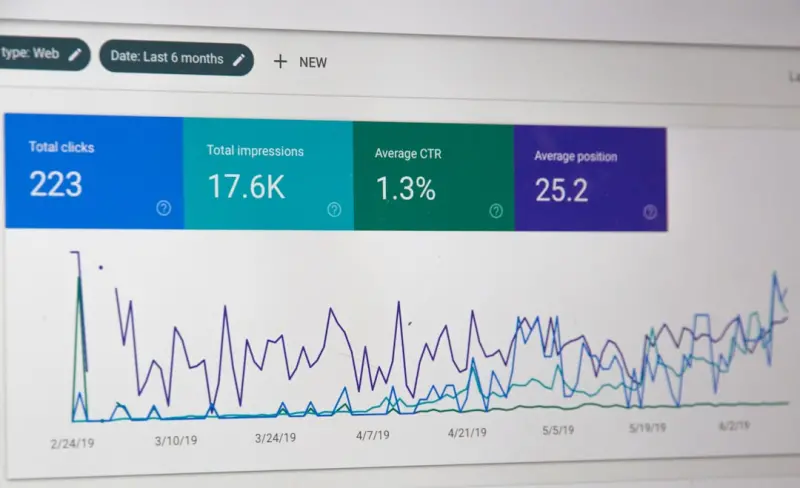
Zero‑Click SEO for SaaS: Winning When Users Stay on SERPs
Zero‑click SEO lets SaaS brands own the answer space on Google’s results page, delivering instant value and building trust before a prospect ever clicks. Th...Read More
LinkedIn SEO: Unlocking the Power of Human‑Centric Optimization
Learn proven LinkedIn SEO techniques that blend authentic storytelling with keyword strategy, turning your profile into a high‑ranking, traffic‑generating a...Read More

Mobile SEO: The Game-Changer for Your Online Presence
Mobile SEO is no longer a nicety, but a necessity. Learn how to optimize your website for mobile devices and improve your online visibility with expert tips and...Read More

How to Turn Your Neighborhood Into a SEO Powerhouse for SaaS
Discover a practical local SEO playbook that leverages office locations, community events, and hyper‑local content to boost organic traffic and conversions fo...Read More
0 Comments
Post Comment
You will need to Login or Register to comment on this post!