

Rethinking Link Acquisition in a Community‑First World
When I first stepped into link building, the rulebook was simple: chase high‑authority domains, sprinkle anchor text, and hope the algorithm rewards you. That playbook is cracked because search engines now value relevance and user intent over sheer domain metrics, and marketers are scrambling to keep up. I’ve spent the last few years watching niche communities evolve from hidden corners of the internet into bustling hubs of expertise, and the insight was clear—if you can become a trusted voice inside those groups, backlinks will follow naturally, without the cold‑email fatigue that plagues most outreach campaigns. This shift from brute‑force link chasing to genuine community participation is the fresh angle I’m championing, and it’s reshaping how we think about authority.
The Pitfalls of Traditional Link Building Tactics
Old‑school link building relied heavily on guest posts, directory submissions, and reciprocal link swaps, tactics that search engines now flag as manipulative when overused. While those methods can still produce short‑term gains, they often leave a trail of low‑quality links that dilute your site’s trust signal, and the time spent negotiating these deals could be better invested elsewhere. Moreover, the constant chase for “big names” creates a bottleneck; most high‑authority sites are inundated with requests, making it nearly impossible for smaller brands to break through. By acknowledging these limitations, we open the door to more sustainable strategies that prioritize relevance and community endorsement over sheer volume.
Unearthing Niche Micro‑Communities as Link Goldmines
Think beyond the obvious forums and consider the rise of Slack workspaces, Discord servers, and private Facebook groups that gather specialists around hyper‑specific topics—from indie game development to sustainable fashion sourcing. These micro‑communities are often overlooked by large agencies, yet they host engaged members who actively share resources, tools, and content that genuinely solves problems. By immersing yourself in these spaces, listening to recurring pain points, and contributing thoughtful solutions, you position your brand as an indispensable resource, prompting members to link back to your guides, case studies, or data sheets without a single outreach email. The key is to be present, authentic, and consistent, allowing relationships to blossom into organic backlinks over time.
Crafting Value‑First Outreach for Community Leaders
When you finally decide to approach a community influencer—be it a subreddit moderator, Discord admin, or niche newsletter curator—skip the generic “I’d love a link” pitch. Instead, present a clear, tangible benefit: a custom data report, an exclusive interview, or a co‑created piece that aligns with their audience’s interests. By framing your outreach around mutual value, you not only increase acceptance rates but also lay the groundwork for long‑term collaboration. For instance, offering a tailored industry benchmark that a forum’s members can reference immediately demonstrates expertise and goodwill, turning a one‑off link request into a recurring content partnership that fuels both traffic and authority.
Data‑Driven Prospecting: Turning Numbers into Opportunities
Modern link building isn’t just about intuition; it’s about leveraging data to pinpoint the exact places where your content can add value. Tools that analyze backlink gaps, competitor link profiles, and content performance can reveal untapped sites that are already talking about topics you excel in. By cross‑referencing these insights with community membership lists, you create a shortlist of high‑potential prospects that are both relevant and receptive. This systematic approach reduces guesswork, shortens outreach cycles, and dramatically improves the relevance score of the links you acquire, feeding search engines the signals they crave.
AI‑Assisted Prospect Identification, Human‑Centric Execution
Artificial intelligence can scan thousands of niche forums, extract trending discussions, and surface potential linking opportunities faster than any manual process. However, the magic happens when you combine that speed with human empathy—reading the nuances of a conversation, understanding the community’s tone, and tailoring your contribution accordingly. For example, an AI‑generated list might highlight a popular Discord channel discussing eco‑friendly packaging; you can then craft a detailed case study on your own sustainable packaging solutions, share it directly in the chat, and watch the community naturally cite your work. This hybrid model maximizes efficiency while preserving the authenticity that earns genuine backlinks.
Interactive Assets as Magnetic Link Magnets
One of the most underutilized link‑building assets is interactive content—calculators, quizzes, and data visualizations that solve real‑world problems. When you embed a custom ROI calculator on your site and promote it within relevant micro‑communities, members often embed the tool in their own resources, citing your site as the origin. This not only generates high‑quality backlinks but also drives qualified traffic from users actively seeking solutions. To amplify the effect, create a shareable embed code that includes a citation link back to your page, turning every user interaction into a potential backlink source.
Digital PR Stunts That Earn Natural Links
Strategic, news‑worthy PR campaigns can catapult your brand into the spotlight, attracting coverage from niche publications and community blogs alike. Think of a data‑driven study that uncovers surprising trends in your industry, or a bold challenge that invites community members to participate and share results. When you launch such a stunt, make sure you have a dedicated press kit and outreach plan that targets both mainstream media and the specific micro‑communities identified earlier. The resulting coverage not only delivers high‑authority backlinks but also reinforces your brand’s reputation as an innovator, fostering further organic link opportunities.
Redefining Link Quality: Beyond Domain Rating
While metrics like Domain Rating remain useful, they don’t tell the whole story. A link from a modestly sized, highly relevant community site that drives engaged traffic can be far more valuable than a link from a massive authority with zero relevance to your niche. Focus on signals such as referral traffic, user engagement metrics, and topical relevance when evaluating link prospects. By prioritizing these qualitative factors, you build a backlink profile that aligns with search engine expectations for expertise, authority, and trust, ultimately delivering more sustainable ranking improvements.
The Future of Community‑Centric Link Building
As search algorithms continue to prioritize user intent and contextual relevance, the era of generic link outreach is fading. Embracing a community‑first philosophy—where you become a trusted contributor, offer data‑rich assets, and leverage AI for precision prospecting—positions your brand for long‑term success. The payoff is a resilient backlink portfolio that grows organically, fuels referral traffic, and solidifies your authority in the eyes of both users and search engines. Ready to shift your link‑building mindset? Start by mapping out the niche communities that align with your expertise, craft a value‑first outreach plan, and watch the links—and the traffic—flow in.

Related Posts

Link Building in 2024: Seth Samual’s Human‑Centric Playbook
Seth Samual reveals why link building still matters, how to prioritize quality over quantity, and th... Read More
Podcast Guesting: The Underrated Link‑Building Powerhouse
Explore the untapped potential of podcast guesting as a modern link‑building tactic, from audience... Read More

Turning Quizzes and Calculators into Link‑Building Gold
Jody Henderson reveals a cutting‑edge link‑building tactic—using interactive quizzes and calcu... Read More
Top Posts
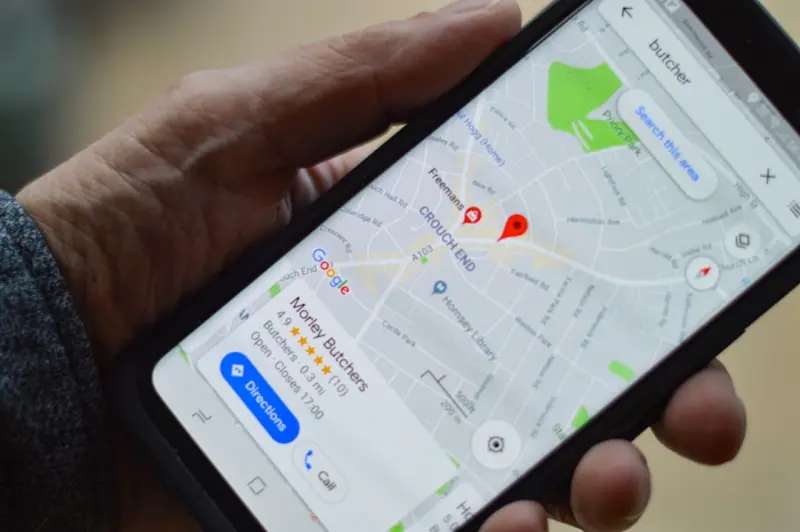
Community Events: A Boost for Local SEO
Local SEO gains a powerful edge when SaaS companies engage in community events. This guide walks through selecting the right gatherings, leveraging structured d...Read More

Unlocking WordPress SEO with Structured Data and Core Web Vitals
A practical guide showing why structured data is essential for WordPress SEO, how to implement it efficiently, and a 7‑day action plan to see real ranking and...Read More

Revolutionizing Link Building: Strategies for Success
Learn how to revolutionize your link building approach with high-quality content, influencer relationships, and technical SEO. Drive more traffic and conversion...Read More
Mobile SEO Mastery: Boost Rankings on the Go
Unlock the secrets of mobile SEO with expert strategies that blend technical precision and user empathy, delivering faster load times, higher rankings, and deep...Read More
0 Comments
Post Comment
You will need to Login or Register to comment on this post!