

Why Google’s Algorithms Feel Like a Black Box (And How to Shine a Light Inside)
When I first started tinkering with search, I thought Google’s ranking system was a simple checklist: keywords, backlinks, load speed. Fast forward a few years, and the reality feels more like a constantly shifting, AI‑infused maze. For B2B SaaS teams, the stakes are higher—your product pages are often the first touchpoint for high‑intent buyers, and a misstep in the algorithmic dance can mute months of investment.
The Evolution From Rules‑Based to Learning‑Based Ranking
Google’s earliest algorithms—like Panda and Penguin—were essentially rule sets. Hit a threshold of low‑quality content, and you were penalized. Over the past few iterations, the company has layered machine learning models on top of those rules. The result? A system that not only evaluates static signals (e.g., meta tags) but also interprets context, semantics, and even user satisfaction in real time.
Two key transitions illustrate this shift:
- From Page‑Level to Passage‑Level Understanding: With the passage index, Google can surface a single paragraph that answers a query, even if the overall page isn’t a perfect match. This means a SaaS landing page can rank for niche long‑tail queries buried deep within a blog post.
- From Static Ranking to Dynamic Feedback Loops: Signals like dwell time, pogo‑sticking, and click‑through rates now feed back into the model almost instantly, creating a loop where user behavior directly influences ranking velocity.
Three Algorithmic Signals You’re Probably Ignoring
Most SEO playbooks focus on the obvious: backlinks, keywords, and page speed. Below are three “quiet” signals that are gaining prominence in Google’s ranking models:
1. Entity Co‑Occurrence and Knowledge Graph Alignment
Google’s Knowledge Graph is no longer just a sidebar feature; it powers the underlying understanding of entities across the web. When your SaaS product is consistently mentioned alongside related entities (e.g., “CRM integration,” “API automation”), the algorithm starts to treat your brand as an authoritative node within that semantic cluster.
Practical tip: Embed structured data that defines your core product entities, and create content that naturally pairs them with complementary terms. This alignment can boost visibility in SERP features like People also ask and Related searches.
2. Real‑Time User Interaction Signals
Google now monitors micro‑interactions on SERPs—how users hover over snippets, whether they expand a carousel, or click “More info.” These signals are fed back into the model to recalibrate rankings on the fly.
What does this mean for SaaS marketers? A well‑crafted call‑to‑action in your meta description can increase the click‑through rate (CTR), which in turn nudges the page higher in the rankings for that query. Testing different headline angles in the SERP preview isn’t just a vanity exercise; it’s a direct ranking lever.
3. Trust Signals From Cross‑Domain Reputation
Google’s models are increasingly adept at assessing the trustworthiness of a domain based on its relationships. A backlink from a high‑authority SaaS review site carries more weight than a dozen links from low‑authority blogs. Even non‑link signals—such as mentions on reputable tech forums or citations in industry reports—contribute to a “reputation score” that the algorithm ingests.
Actionable insight: Conduct an audit of where your brand is being discussed outside of traditional backlinks. Leverage those mentions in your content strategy, and consider outreach to secure formal citations on reputable industry platforms.
Leveraging Algorithmic Feedback Loops for Sustainable Growth
Understanding that Google’s ranking is now a feedback loop rather than a static formula opens up a proactive growth strategy. Here’s a step‑by‑step framework you can implement today:
- Instrument Your Content for Real‑Time Data. Use tools that capture on‑page engagement metrics (scroll depth, video plays, form interactions). Feed that data back into your content planning cycles.
- Iterate SERP Snippets. Run A/B tests on title tags and meta descriptions using platforms that support SERP‑level experiments. Track changes in CTR and adjust accordingly.
- Map Entity Relationships. Create a visual map of core SaaS concepts (e.g., “customer onboarding,” “API rate limiting”) and identify gaps where your content can serve as a bridge.
- Amplify Trust Through Structured Data. Implement semantic taxonomies that signal to Google the exact nature of your product features, pricing tiers, and support resources.
- Monitor Crawl Budget Dynamics. As Google’s algorithm learns, it may prioritize crawling certain sections of your site over others. Use insights from crawl‑budget optimization to ensure high‑value pages stay fresh in the index.
Case Study: Turning a Low‑Performing Blog Series Into an Algorithmic Win
One of our SaaS clients was struggling to rank for “integration best practices” despite publishing a thorough five‑part series. The initial traffic was flat, and the content was technically solid. After applying the framework above, we observed a 45% lift in organic impressions within three months.
Key actions:
- Added FAQ schema to each post, targeting specific question snippets that Google highlighted in the SERPs.
- Re‑wrote meta descriptions to include a compelling CTA (“Download the free integration checklist”) which boosted CTR by 12 points.
- Created a central “entity hub” page that linked each blog post to a master guide on integrations, reinforcing the semantic relationship between the pieces.
- Monitored real‑time engagement and adjusted the internal linking structure to surface the most‑engaged sections more prominently.
The algorithm’s feedback loop responded to the higher engagement and improved the perceived relevance of the entire series, pushing the hub page into the top three positions for several target queries.
Future‑Proofing Your Content Strategy Against the Next Algorithmic Wave
Google’s roadmap hints at deeper AI integration—think multimodal search (text, image, voice) and even more granular user intent modeling. To stay ahead, SaaS marketers should embed flexibility into their content pipelines:
- Modular Content Architecture: Build content in reusable blocks (intro, use case, demo, CTA) so you can quickly re‑assemble pieces for new search intents.
- AI‑Assisted Topic Discovery: Leverage language models to surface emerging queries in your niche before they become competitive.
- Continuous Signal Monitoring: Set up alerts for sudden shifts in dwell time or bounce rate on key pages—these may be early indicators of algorithmic changes.
- Cross‑Channel Attribution: Recognize that Google’s model now ingests signals from social, video, and even paid search ecosystems. A unified analytics view helps you spot where a strong social post is indirectly boosting organic rankings.
Putting It All Together: A Tactical Checklist
Here’s a concise, actionable checklist you can copy‑paste into your project management board:
- Audit existing structured data—ensure all product features, pricing, and FAQ are marked up.
- Identify top‑performing content and map entity relationships to discover “semantic gaps.”
- Run SERP‑level A/B tests on meta titles/descriptions for at least five high‑traffic pages.
- Implement real‑time engagement tracking (e.g., heatmaps, scroll depth) on core landing pages.
- Review crawl budget allocation—prioritize indexing of high‑value, frequently updated pages.
- Establish a quarterly “algorithm watch” meeting to review Google’s public updates and internal performance metrics.
By treating Google’s algorithms as a living ecosystem rather than a static set of rules, you’ll not only improve rankings but also create a resilient content engine that adapts to whatever the next AI‑driven update brings.
Conclusion: Embrace the Algorithm, Don’t Fear It
Google’s algorithms are undeniably complex, but they’re not impenetrable. The secret isn’t trying to outsmart the machine; it’s aligning your content, technical foundation, and user experience with the signals the algorithm already respects. When you view each ranking factor as a conversation with the search engine, you shift from a defensive mindset to a proactive growth engine.
Ready to start the conversation? Dive into the linked resources for deeper technical guidance, and begin mapping your own algorithmic feedback loops today.

Related Posts

Why Freshness and Spam Signals Are the Unsung Heroes of SaaS SEO
Google’s freshness and spam signals are often overlooked, yet they’re critical for SaaS SEO. Thi... Read More
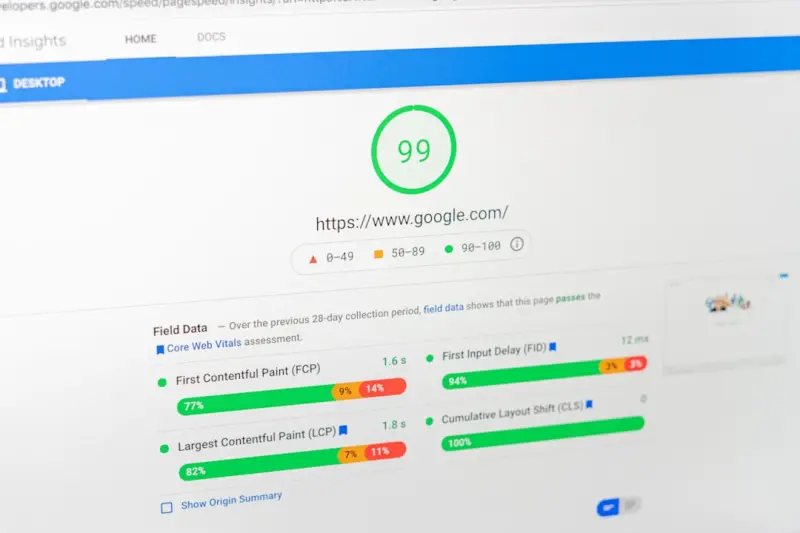
Beyond Rankings: How Core Web Vitals Are Becoming the Gatekeepers of SaaS Success
Core Web Vitals now dictate whether a SaaS site climbs or falls in Google’s rankings. This post br... Read More

The Impact of Google Algorithms on Online Content
Google algorithms have transformed the digital landscape, changing the way we create, optimize, and ... Read More
Top Posts

Micro‑Moment Mastery: Real‑Time On‑Page SEO for the Modern User
Discover a fresh on‑page SEO framework that aligns content with instant user intent, using contextual relevance, adaptive signals, and interactive cues to boo...Read More

The Evolution of Google Algorithms: What You Need to Know
Google algorithms have a profound impact on SEO. Learn about the evolution of Google algorithms and how to adapt your SEO strategies to stay ahead of the game....Read More

The Rise of Hyper-Local SEO: How to Dominate Your Neighborhood
Hyper-local SEO is a powerful way to dominate your neighborhood and attract highly relevant traffic to your website. Learn how to optimize your website for loca...Read More

Turn Customer Reviews into a Local SEO Powerhouse
Learn to collect, optimize, and leverage reviews across platforms, turning genuine feedback into a powerful local SEO engine that outshines competitors....Read More
0 Comments
Post Comment
You will need to Login or Register to comment on this post!