

Why Your Social Media Playbook Needs a Community‑First Reset
When I first stepped into the SaaS world, I treated every platform like a billboard. The goal was simple: splash a catchy headline, drop a link, and watch the clicks roll in. It worked—for a while. But the metrics soon plateaued, and the noise grew louder. That’s when I realized that the real power of social media isn’t in broadcasting—it’s in cultivating a living, breathing community that feels ownership over your brand.
From Broadcast to Dialogue: The Core Shift
Traditional social strategies often masquerade as one‑way megaphones. The modern audience, however, craves authentic dialogue. This isn’t just about replying to comments; it’s about designing every touchpoint so that users choose to engage, share, and co‑create.
- Listening first. Use social listening tools not just to spot complaints, but to identify emerging ideas that could shape product roadmaps.
- Co‑creation loops. Invite power users to beta test, to host AMAs, or to contribute guest posts. When users see their input reflected in the product, advocacy spikes.
- Micro‑communities. Instead of a single brand page, nurture niche groups—by industry, use case, or even personality type.
These tactics move you from “talking at” an audience to “talking with” them, turning followers into brand ambassadors.
Blueprint for a Community‑First Strategy
Below is a step‑by‑step framework that I’ve refined over the past three years, designed to embed community at the heart of every social initiative.
1. Map Your Community Landscape
Begin with a Community Atlas. Identify where your ideal users already gather—LinkedIn groups, Reddit threads, Discord servers, niche forums, even Slack channels. Don’t chase vanity metrics; focus on where real conversations happen.
Once mapped, categorize each hub by:
- Engagement frequency
- Decision‑making influence
- Content preferences (videos, polls, long‑form posts)
2. Design a “Conversation‑Centric Content Approach”
Instead of pushing a product update, ask a question that aligns with the community’s current challenges. For example, “What’s the biggest bottleneck you face when scaling your onboarding flow?” This invites answers that you can later synthesize into blog posts, case studies, or even feature requests.
For a deeper dive on how to make your content feel conversational, check out our conversation‑centric content approach. The principles there translate directly to social media, where brevity meets authenticity.
3. Leverage “Audio‑First Outreach”
Audio is the fastest‑growing medium in B2B, yet many SaaS brands still treat it as a novelty. By launching a short, recurring voice note series—think 5‑minute “quick wins” clips—you give busy professionals an easy way to consume insights while on the move.
Our own experiments with a audio‑first outreach model showed a 37% lift in click‑through rates compared to static posts, because listeners feel a personal connection to the human voice behind the brand.
4. Empower Community Moderators
Identify power users who already lead discussions, then give them a formal moderator badge, exclusive resources, and early access to product roadmaps. This not only rewards loyalty but also scales your moderation bandwidth, keeping the community safe and vibrant.
5. Turn Community Insight into Product Fuel
Every suggestion, complaint, or praise that surfaces on your social channels is a potential product improvement. Create a transparent pipeline:
- Capture the insight in a shared spreadsheet or tool.
- Tag the source (Twitter, Discord, LinkedIn, etc.) for context.
- Prioritize based on frequency and strategic alignment.
- Close the loop by publicly acknowledging the contributor when the feature ships.
This practice not only accelerates innovation but also demonstrates that your brand values user input—fueling deeper advocacy.
Metrics That Matter (Beyond Likes and Followers)
Traditional vanity metrics are still useful, but they don’t tell the full story of community health. Shift your KPI focus to:
- Engagement Quality Score. Weight comments, shares, and direct messages higher than simple likes.
- Advocate Ratio. Percentage of community members who voluntarily promote your brand (e.g., by posting testimonials or referral links).
- Community‑Driven Conversion Rate. Track conversions that stem from community interactions, not just from paid ads.
- Retention of Power Users. Measure how long top contributors stay active; churn here signals deeper issues.
When these numbers move in the right direction, you’ll see a ripple effect: higher organic reach, lower acquisition costs, and a product roadmap that’s truly customer‑centric.
Case Study: A Mid‑Size SaaS Company’s Turnaround
One of my recent consulting engagements involved a SaaS firm that had plateaued at 15k followers across platforms but saw stagnant lead generation. We implemented the community‑first framework:
- Mapped out three micro‑communities on Reddit, LinkedIn, and a private Discord.
- Launched a weekly audio Q&A, inviting community members to ask product‑related questions.
- Appointed two top Reddit contributors as official moderators, giving them early feature previews.
- Integrated a public “Idea Board” where suggestions from social channels were voted on.
Within six months:
- Community‑driven leads increased by 42%.
- Referral traffic from community posts rose 68%.
- Customer churn dropped 15% thanks to the feeling of ownership over product direction.
The transformation was not about spending more on ads; it was about re‑engineering the social experience to make users feel like co‑builders.
Tools to Accelerate Community Building
While strategy is king, the right tools are the queen that makes the kingdom run smoothly. Here are my go‑to options:
- Social Listening Platforms. Tools like Brandwatch or Sprout Social let you set real‑time alerts for brand mentions, emerging pain points, and competitor chatter.
- Community Management Suites. Platforms such as Tribe or Circle centralize discussions, badge systems, and content calendars.
- Audio Distribution. Services like Anchor or Spotify for Podcasters make it easy to publish short audio snippets directly to social feeds.
- Feedback Capture. Integrate a lightweight widget (e.g., Typeform or Canny) into your social posts to funnel ideas directly into your product backlog.
Common Pitfalls and How to Avoid Them
Even the best‑intentioned community initiatives can stumble. Keep an eye out for these traps:
- Over‑Automation. Auto‑responders feel impersonal. Use them sparingly and always follow up with a human touch.
- Neglecting the “Quiet” Segments. Not every user will shout in a thread. Private surveys or direct messages can surface silent insights.
- One‑Size‑Fits‑All Content. Different platforms demand different formats. A meme that works on Twitter may flop on LinkedIn.
- Ignoring Negative Feedback. Deleting or hiding criticism erodes trust. Address concerns transparently and turn them into learning moments.
Future‑Proofing Your Social Strategy
Social media isn’t static; new platforms emerge, algorithms shift, and audience habits evolve. To stay ahead:
- Commit to quarterly community audits—review where conversations are moving.
- Experiment with emerging formats (AR filters, short‑form video, live streaming) in small batches.
- Maintain a “Community Advisory Board” composed of power users who can forecast trends.
- Continuously cross‑poll insights from social with data from your product analytics for a 360° view.
When community becomes the compass, your social media strategy will always point toward growth, even when the terrain changes.
Take the First Step Today
Switching from a broadcast mindset to a community‑first approach feels like a paradigm shift, but the payoff is tangible: higher engagement, stronger brand loyalty, and a product roadmap that reflects real user needs. Pick one micro‑community you already own, start a conversation‑centric series, and watch the ripple effect grow.
Ready to transform your social presence? Let’s turn those followers into genuine advocates and build a community that fuels both product innovation and sustainable growth.

Related Posts

Employee Advocacy: Turning Your Team into a Social Media Growth Engine
Discover a practical playbook for turning your team into authentic social media advocates, complete ... Read More
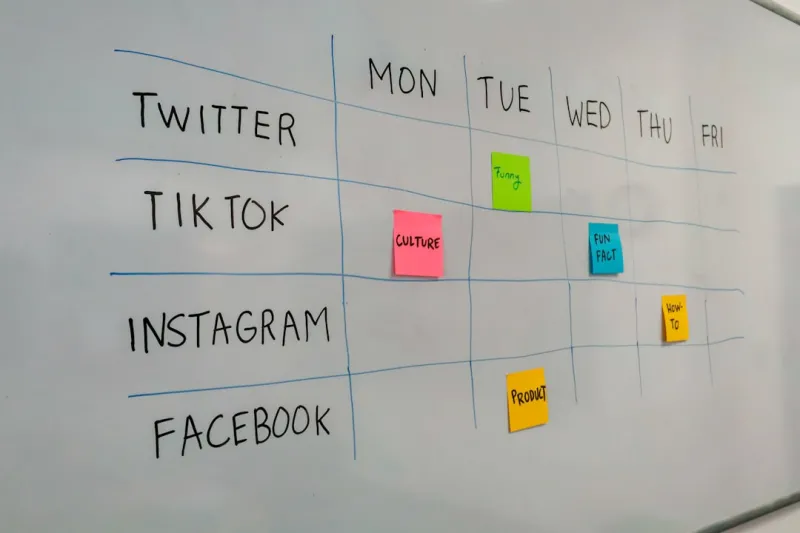
Revolutionizing Your Social Media Strategy: A Comprehensive Guide to Success
Learn how to create a comprehensive social media strategy that drives real results for your business... Read More
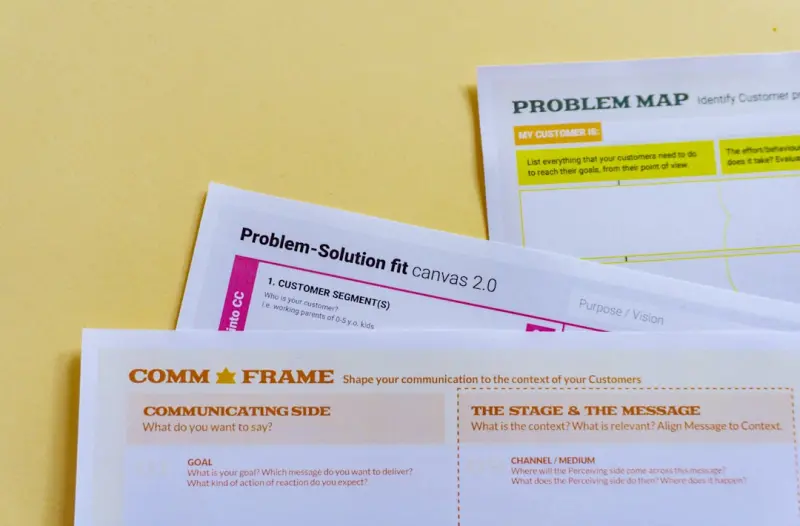
Crafting a Cohesive Storytelling Framework for Multi‑Platform Social Media Success
Discover a step‑by‑step framework to turn fragmented posts into a unified brand story that reson... Read More
Top Posts

Why Visual Repurposing Is the Secret Weapon for Modern Content Creators
Learn the step‑by‑step process to transform written content into eye‑catching visuals, distribute them strategically, and measure real ROI for lasting bra...Read More

Sequential Storytelling: A New Playbook for SaaS Social Ads
Sequential storytelling replaces one‑shot ads with a five‑step narrative that guides SaaS prospects from awareness to decision, leveraging data‑driven cre...Read More

Live Virtual Events: The Untapped Content Engine for SaaS Growth
Live virtual events aren’t just webinars—they’re the core of a dynamic content ecosystem. Learn how to design, execute, and repurpose events to boost SEO,...Read More

Navigating Google’s MUM and SGE: A SaaS Playbook for the AI‑First SERP
A practical guide for SaaS teams on leveraging Google’s Multitask Unified Model and Search Generative Experience, turning content into AI‑ready knowledge hu...Read More
0 Comments
Post Comment
You will need to Login or Register to comment on this post!