

Why Hyperlocal Voice Search Matters Now
When a consumer says “find a coffee shop near me,” the search engine instantly surfaces the most relevant businesses within a few miles, and the entire interaction happens without a single keystroke. Hyperlocal voice search has turned the traditional “local SEO” checklist on its head, demanding that small businesses not only rank for static keywords but also dominate conversational queries that reflect immediate intent. For owners who once relied on foot traffic alone, mastering this new modality means capturing customers the moment they decide to act, turning a casual mention into a guaranteed visit.
The Explosive Rise of “Near Me” Queries
Recent studies show that over 60 % of voice searches are location‑based, and the phrase “near me” has surged by more than 300 % in just a few years, proving that users expect instant, geographically precise answers. This shift is fueled by mobile‑first habits, ubiquitous smart speakers, and the growing expectation that digital assistants will serve as personal guides to nearby services. When a potential customer asks their phone for “the best plumber close by,” the algorithm evaluates proximity, relevance, and reputation in a split second, rewarding businesses that have fine‑tuned their hyperlocal signals.
Technical Foundations: Schema, NAP, and Structured Data
The backbone of hyperlocal voice visibility starts with clean, machine‑readable data; a well‑implemented Schema.org LocalBusiness markup tells search engines exactly what you do, where you’re located, and when you’re open, eliminating ambiguity. Consistency across your Name, Address, and Phone (NAP) listings on your website, Google Business Profile, and third‑party directories reinforces trust, while a dedicated FAQ page structured with Question and Answer markup directly answers the spoken queries users are likely to voice. By aligning these technical elements, you give algorithms the confidence to surface your business in the coveted voice‑first “featured snippet” slot.
Crafting Conversational Content that Speaks Back
Voice assistants favor natural language, so the content strategy that once prioritized short‑tail keywords must now embrace full‑sentence queries and localized phrasing. Start by extracting the most common “near me” questions from your industry—think “Are there any pet grooming services open now?”—and build concise, answer‑focused sections that mirror how a human would speak. Organize these into a
- FAQ page with clear headings
- Blog posts that address seasonal local needs
- Micro‑content snippets for Google Business Profile posts
to create multiple entry points for voice assistants to pull from. The goal is to make your site sound like a knowledgeable neighbor, ready to answer in a single, authoritative sentence.
Google Business Profile: The Voice Search Powerhouse
Optimizing your Google Business Profile (GBP) is no longer optional; it’s the primary gateway for voice‑driven discovery because assistants pull directly from GBP data when delivering “near me” answers. Ensure every attribute—categories, services, business hours, and especially high‑quality photos—is fully populated, and encourage satisfied customers to leave detailed reviews that mention specific services or locations. Reviews act as organic, user‑generated content that voice assistants love, often quoting a five‑star comment when answering “Who’s the best bakery around here?” By regularly updating posts, answering questions, and monitoring insights, you keep your GBP fresh and signal to Google that your business is active and trustworthy.
Mobile‑First Performance: Speed and Accessibility
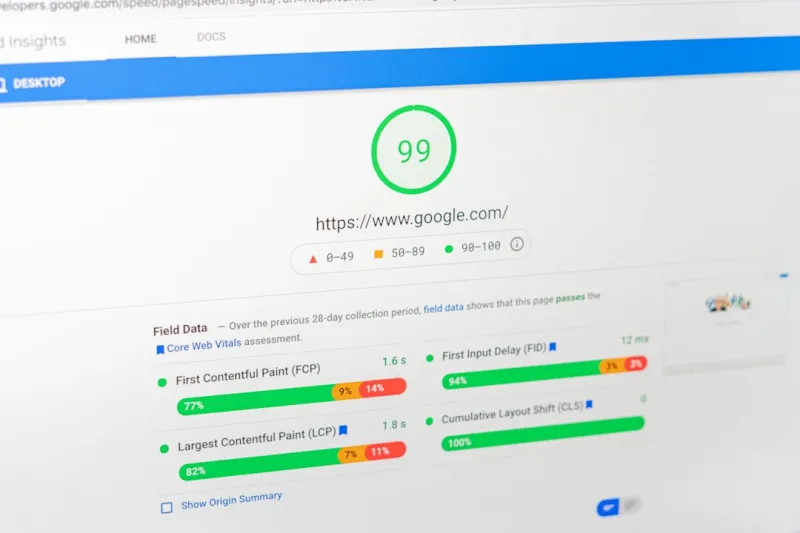
Since voice searches are almost always performed on mobile devices, page load speed and mobile usability directly impact your chances of being featured in a voice result. Aim for a sub‑second First Contentful Paint, compress images, leverage browser caching, and consider implementing Accelerated Mobile Pages (AMP) for high‑traffic landing pages. Accessibility also matters: use clear headings, concise meta descriptions, and ensure touch targets are large enough for on‑the‑go users. When your site delivers a seamless, fast experience, search engines interpret it as a positive user signal, boosting the likelihood that your content will be chosen for spoken answers.
Leveraging Zero‑Click Search Tactics for Voice
Voice search is inherently a zero‑click experience, meaning users rarely click through to a website after receiving an answer. By integrating zero‑click search tactics, you can still capture value through brand exposure, map listings, and call‑now buttons that appear alongside the spoken answer. Embed structured data for opening hours and phone numbers, and ensure your website’s URL appears in the “Read more” portion of the result, giving curious users a clear path to deeper engagement. Even without a click, the visibility reinforces your authority and can drive offline conversions through phone calls and in‑store visits.
Predictive Social Media Planning Meets Voice Intent
Anticipating the topics your audience will ask about next allows you to pre‑emptively create content that aligns with emerging voice queries. By applying predictive social media planning techniques, you can monitor local event calendars, seasonal trends, and community discussions to forecast the questions that will dominate “near me” searches in the coming weeks. Publish timely blog posts, update your FAQ, and schedule GBP posts that directly answer these anticipated queries, positioning your business as the go‑to answer before the competition even realizes the demand.
Putting It All Together: A Roadmap for Small Businesses
To dominate hyperlocal voice search, start with a technical audit of schema, NAP consistency, and mobile performance, then layer conversational content that mirrors natural speech, and finally amplify your presence through a fully optimized Google Business Profile and proactive zero‑click strategies. Track progress with voice‑specific metrics—such as the number of times your business is mentioned in “near me” snippets or the volume of call‑only clicks from GBP—and adjust your tactics based on real‑world performance. By treating voice as a distinct channel rather than an add‑on, you turn every spoken query into a foot‑traffic magnet, ensuring that your small business not only survives but thrives in the era of conversational search.

Related Posts
The Power of Local SEO: A Game-Changer for Small Businesses
Local SEO is a game-changer for small businesses, helping them increase online visibility, drive foo... Read More

Turning Neighborhood Connections into Local SEO Gold
Learn how to leverage community events, micro‑influencers, and data‑driven insights to dominate ... Read More

The Rise of Hyper-Local SEO: A Game-Changer for Small Businesses
Hyper-local SEO is a game-changer for small businesses. Learn how to optimize your online presence f... Read More
Top Posts

Turning Creative Fatigue into Opportunity: Micro‑Community Strategies for Modern Social Media Advertising
Learn to revitalize your social media ads by targeting micro‑communities, using AI‑generated creatives, and implementing real‑time listening for higher en...Read More

The Rise of Hyper-Local SEO: How to Dominate Your Neighborhood
Hyper-local SEO is a powerful way to dominate your neighborhood and attract highly relevant traffic to your website. Learn how to optimize your website for loca...Read More
Beyond the Blog: Immersive Content Strategies for SaaS Growth
Static copy is losing its grip on SaaS buyers. This post reveals how interactive quizzes, calculators, AR demos, and employee advocacy can transform your conten...Read More

The Next Wave: Predictive Content Orchestration for SaaS Growth
Predictive content orchestration transforms static editorial calendars into real‑time, intent‑driven experiences. Learn how SaaS teams can harness AI, modul...Read More
0 Comments
Post Comment
You will need to Login or Register to comment on this post!