

Why a Content Factory Mindset Beats the One‑Person‑Show
When I first stepped into the role of head of content at a fast‑growing SaaS startup, I wore the classic “lone wolf” badge: I wrote, edited, designed, and published everything myself. The result? A handful of polished pieces that felt great on paper but never kept pace with the velocity of the market. The pressure to “do more with less” turned into a relentless sprint that left my creative muscles sore and my calendar perpetually overbooked.
It wasn’t until I shifted my mental model from “content creator” to “content factory manager” that things changed. I stopped asking how can I make this single piece perfect? and started asking how can my team collectively produce a steady stream of valuable, on‑brand assets without sacrificing quality or sanity? In this post I’ll share the framework that helped my team double our output, keep our brand voice consistent, and—most importantly—stay energized.
1. Map the Content Journey, Not Just the Content Types
The first mistake many B2B teams make is to catalog content by format: blogs, whitepapers, webinars, etc. While useful, this list is static. I recommend plotting the journey of a single idea from inception to retirement. Ask yourself:
- What problem does this idea solve for our audience?
- Which stage of the buyer’s journey does it address?
- How can it be repurposed across multiple channels?
By visualizing the lifecycle, you reveal natural hand‑offs—research passes to the strategist, the strategist hands it to the writer, the writer to the designer, and so on. Each hand‑off becomes a checkpoint rather than a bottleneck.
2. Build a Role‑Based Playbook, Not a Task List
Instead of a to‑do list that says “write a blog post about X,” create a playbook that defines the responsibilities of each role for every content stage. For example:
- Idea Scout: Monitors industry forums, customer support tickets, and competitor releases to surface topics.
- Strategist: Aligns topics with business goals, selects the appropriate buyer persona, and drafts a brief.
- Writer: Crafts the first draft, referencing the brief and any supporting data.
- Designer: Turns key points into visual assets—infographics, slide decks, or short videos.
- Amplifier: Schedules distribution, tags relevant channels, and triggers automated follow‑ups.
This clarity eliminates “who‑does‑what” debates and speeds up approvals. When each person knows exactly where they add value, the overall rhythm becomes smoother.
3. Leverage Low‑Friction Collaboration Tools
My team tried dozens of heavyweight project‑management platforms before settling on a lightweight combination of shared docs, a Kanban board, and a real‑time comment thread. The goal isn’t to add more software; it’s to reduce the friction of passing assets back and forth. A simple template that lives in a shared folder can become the hub for all version history, stakeholder comments, and final approvals.
For teams that are still hesitant about a full‑blown content hub, start with a high‑quality backlink strategy that relies on easy‑to‑share visual snippets. When designers produce a one‑page visual summary, it can be dropped into the Kanban card, instantly ready for the Amplifier to distribute.
4. Institutionalize Repurposing as a Routine, Not an Afterthought
Every piece of content has at least three lives:
- Original Publication – the primary format (e.g., a long‑form blog).
- Derived Asset – a condensed version (e.g., a carousel for LinkedIn or a short video for Instagram).
- Evergreen Reference – a resource page or a downloadable guide that lives on the website for months.
By assigning repurposing tasks at the same time the original piece is being created, you avoid the “back‑log” effect where content sits idle for weeks before being re‑used. This approach also maximizes ROI: a single research effort fuels multiple touchpoints across the funnel.
5. Create a “Content Sprint” Cadence
Borrowing from agile development, I introduced two‑week content sprints. At the start of each sprint, the team gathers for a planning session where they:
- Prioritize ideas from the Idea Scout backlog.
- Assign owners using the role‑based playbook.
- Set measurable goals (e.g., “3 blog posts, 2 video snippets, 4 social assets”).
During the sprint, a short daily stand‑up (10 minutes max) surfaces blockers early. At the end, a review demo showcases finished assets and gathers quick feedback. This rhythm builds momentum, celebrates small wins, and keeps the pipeline moving.
6. Empower “Content Champions” Across Departments
One of the biggest blind spots in many B2B orgs is the assumption that only the marketing team can produce valuable content. In reality, product managers, customer success reps, and sales engineers live inside the customer’s world. By designating a “Content Champion” in each department, you tap into deep expertise without overburdening your core team.
Champions act as:
- Subject Matter Experts who vet technical accuracy.
- Story Contributors who share real‑world use cases.
- Distribution Allies who push the final assets to internal newsletters or client portals.
This cross‑functional collaboration not only enriches the content but also builds internal advocacy for the brand.
7. Measure Output Quality, Not Just Quantity
It’s tempting to celebrate “30 pieces published this month.” Instead, focus on metrics that reflect impact:
- Engagement Score: combines average time on page, scroll depth, and social interactions.
- Lead Quality Index: tracks the proportion of MQLs generated per content type.
- Brand Consistency Rating: a quarterly audit where a panel scores each asset against voice guidelines.
When the team sees that a well‑crafted micro‑video outperforms a long‑form blog in lead quality, they naturally gravitate toward formats that deliver the best return.
8. Automate the Repetitive, Preserve the Human Touch
Automation is a double‑edged sword. Use it for tasks that don’t require nuance—like uploading assets to the CMS, populating meta tags, or triggering distribution emails. Keep the creative decisions—tone, storytelling arcs, visual style—in the hands of people.
Our workflow now includes an SEO‑first onboarding playbook for new hires that auto‑assigns them to a content sprint, sets up their tool access, and provides a quick‑start checklist. This reduces the administrative overhead that once ate up valuable time.
9. Foster a Culture of Continuous Learning
Content trends evolve quickly. Allocate a “learning hour” each month where the team reviews a new tool, studies a competitor’s campaign, or experiments with a fresh format. Encourage sharing of wins and failures alike—this transparency builds trust and fuels innovation.
10. Celebrate the Process, Not Just the Product
Finally, recognize the effort that goes into each stage. A simple “shout‑out” in the sprint review for a designer who nailed a data visualization or a writer who turned a complex case study into a compelling narrative reinforces the collaborative spirit.
When the focus shifts from “I need that blog ASAP” to “How can we make our content engine run smoother?” the entire organization benefits. You’ll see higher morale, richer assets, and a pipeline that can scale alongside your product roadmap.
Putting It All Together: A Sample Week in the Life of a Content Factory
To illustrate, here’s a snapshot of a typical two‑week sprint:
- Monday (Planning): Idea Scout presents five topics. Team votes, selects three, and assigns roles.
- Tuesday‑Wednesday (Research & Brief): Strategist drafts briefs, champions provide data points.
- Thursday‑Friday (Writing): Writers produce drafts, receive instant feedback via shared docs.
- Following Monday (Design): Designers create visuals, embed them into drafts.
- Mid‑week (Amplification Prep): Amplifier schedules social posts, sets up email drip.
- Friday (Review Demo): Entire sprint’s assets are presented, metrics are set for next sprint.
Repeat, iterate, and refine. Over time, the rhythm becomes second nature, and the factory churns out high‑impact content without burning out the crew.
Final Thoughts: From Solo Creator to Content Maestro
If you’re still wrestling with a solitary workflow, ask yourself: What would happen if I handed off just one piece of the process? The answer is often surprising—speed increases, ideas improve, and stress drops. By embracing a factory mindset, you transform content creation from a solo marathon into a coordinated relay race, where each hand‑off propels the baton faster toward the finish line.
Remember, the goal isn’t to produce more content for the sake of volume; it’s to generate a sustainable stream of valuable, on‑brand assets that fuel growth and keep your team thriving. Start small, map your process, and watch the factory come to life.

Related Posts

Why Repurposing Your Long-Form Content Is the Secret Weapon for Modern Creators
Learn to transform one idea into a thriving content ecosystem, using modular design, data‑driven d... Read More
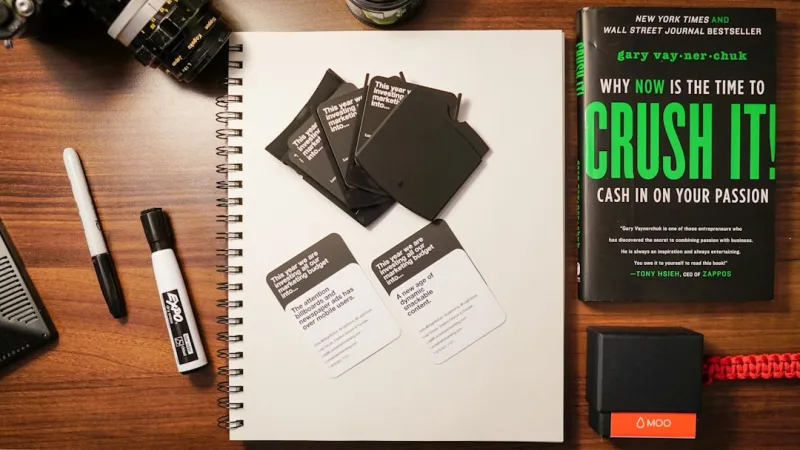
The Content Creator’s Playbook: How I Turn Ideas into Authority in 2024
Brad Hays shares his step‑by‑step playbook for creating, optimizing, and iterating content that ... Read More

Micro‑Content Mastery: Building a Nimble Engine for Today’s Snack‑Sized Audiences
Learn to create, adapt, and scale micro‑content across platforms, using AI, community feedback, an... Read More
Top Posts

Community‑First Link Building: Turning Niche Networks into Authority Assets
A new link building paradigm focuses on genuine community involvement, data‑backed prospecting, and interactive content to earn high‑quality, relevant backl...Read More

Decoding Google’s Latest Algorithm: An Empathy‑First Playbook for Modern SEOs
Explore the core shifts in Google’s latest algorithm, why empathy matters more than ever, and practical steps to align your SEO strategy with human‑focused ...Read More
Unlocking SaaS Rankings: How Server Log Analysis Transforms Technical SEO
Server logs hold the key to understanding how search bots interact with your SaaS platform. This post explains why analyzing these logs is essential, outlines a...Read More

App Indexing & Deep Linking: Turning Your Mobile Experience into Organic Search Gold
Learn how to integrate app indexing, deep linking, and structured data into your mobile SEO strategy, turning your app into a powerful search engine asset that ...Read More
0 Comments
Post Comment
You will need to Login or Register to comment on this post!