

When most people think about SEO, the first image that comes to mind is a Google search results page. Yet the modern B2B landscape has a second, equally powerful search engine hiding in plain sight: LinkedIn. For SaaS founders, marketers, and sales leaders, mastering LinkedIn’s internal algorithm isn’t just a nice‑to‑have—it’s a direct pipeline to qualified leads, talent, and industry authority.
LinkedIn is More Than a Social Network; It’s a Search Engine
Every time a user types “customer success software” or “AI‑driven analytics platform” into LinkedIn’s search bar, the platform runs a weighted algorithm that evaluates profiles, pages, and content for relevance. Unlike Google, LinkedIn’s ranking factors are tightly coupled to professional intent, making the traffic it delivers higher‑quality for SaaS businesses.
Key takeaways:
- Keyword relevance is evaluated across headline, summary, experience, and even media descriptions.
- Engagement signals—likes, comments, shares, and dwell time—signal authority.
- Network depth matters; connections of connections can surface your content to new audiences.
- Content freshness is rewarded; LinkedIn pushes recent native posts higher in search results.
1. Craft a Keyword‑Rich, Human‑First Headline
Unlike a traditional resume headline, your LinkedIn headline should balance SEO with personality. Start with your core value proposition, then sprinkle in two to three high‑intent keywords your ideal customer would search for.
Example:
Founder & Chief Product Officer at DataPulse | AI‑Powered Customer Success Platform | Driving 30% Faster Retention
This headline immediately tells LinkedIn’s crawler (and a human reader) that you’re a SaaS founder focused on AI and retention—keywords that align with buyer intent.
2. Optimize the “About” Section as a Mini‑Landing Page
The “About” box is the perfect place to embed a concise, keyword‑dense narrative. Use short paragraphs, bullet points, and bolded terms to improve readability and signal relevance. Remember to:
- Include your top three product keywords early in the first 150 characters.
- Add a clear call‑to‑action (CTA) linking to a lead magnet or demo page.
- Insert a media asset—such as an explainer video or slide deck—to boost dwell time.
When you embed a video, LinkedIn records an extra engagement metric, which can help your profile rank higher for related searches.
3. Leverage Employee Advocacy for Distributed SEO Power
Every employee’s profile is a potential ranking signal for your company page. Encourage your team to:
- Update their headlines with a shared keyword phrase (e.g., “SaaS Solutions Engineer – DataPulse”).
- Share company posts with personalized commentary.
- Add your product’s official page as a “Featured” link on their profiles.
This network amplification creates a web of internal backlinks that LinkedIn interprets as endorsement, pushing your company page up in search results.
4. Publish Native Content That Marries Value with Keywords
LinkedIn’s algorithm gives priority to native posts—articles, videos, and carousel slides—over external links. When you publish, follow a three‑step formula:
- Hook: Start with a bold statement or question that includes a target keyword.
- Value: Deliver actionable insights or data points (e.g., “SaaS teams that adopt predictive churn models see a 25% lift in renewal rates”).
- CTA: End with a prompt to comment, download a resource, or book a demo.
Pair your post with a compelling image or short video. The richer the media, the longer users stay, sending a positive signal to LinkedIn’s ranking engine.
For inspiration on how to blend narrative with performance, check out the insights on storytelling vs. feature dumping. The principles of engaging storytelling translate directly to LinkedIn’s native post format.
5. Harness Hashtags Strategically, Not Spammy
LinkedIn allows up to three hashtags per post. Choose ones that balance high search volume with niche relevance. For a SaaS product, a mix could look like:
- #CustomerSuccess
- #AIAnalytics
- #SaaSGrowth
These tags act as secondary keywords, helping LinkedIn surface your content to users browsing those topics.
6. Build Backlinks Through Thought Leadership
External backlinks to your LinkedIn profile or company page still matter. Publish guest posts on industry blogs, include a LinkedIn profile link in your email signature, and reference your LinkedIn page in conference speaker bios. Each inbound link signals to LinkedIn that your profile is an authority source.
One proven tactic is the HARO‑HACK Loop, which turns journalist queries into high‑authority backlinks. Adapt the same outreach cadence for LinkedIn: pitch a quick quote or data point to journalists, and ask them to tag your LinkedIn profile when they publish.
7. Optimize Your Company Page for Search
Your LinkedIn Company Page is a searchable asset in its own right. Treat it like a SEO‑focused landing page:
- Tagline: Include primary product keywords (e.g., “AI‑Driven Customer Success Platform”).
- About Section: Write a 2‑paragraph description, mirroring your website’s meta description, and embed a link to a lead capture form.
- Specialties: Populate all 20 slots with long‑tail keywords and industry terms.
- Featured Content: Pin a high‑performing post, case study, or demo video to the top of the page.
8. Measure, Iterate, and Scale
LinkedIn provides a suite of analytics that reveal how your SEO efforts are paying off:
- Profile Views: Track week‑over‑week changes after keyword updates.
- Search Appearances: See which keywords are driving the most profile visits.
- Engagement Rate: Monitor likes, comments, and shares to gauge content resonance.
Set quarterly benchmarks (e.g., 15% increase in search appearances) and A/B test headline variations. Small adjustments—like swapping “AI‑Powered” for “Machine Learning‑Enabled”—can shift rankings dramatically.
9. Future‑Proof Your LinkedIn SEO Strategy
LinkedIn is evolving rapidly, with upcoming features like “Skill Endorsement Tags” and “AI‑Generated Summaries.” Stay ahead by:
- Regularly updating your headline and summary with emerging industry terms.
- Experimenting with LinkedIn Live to capture real‑time engagement metrics.
- Joining niche LinkedIn Groups where your target personas congregate and sharing value‑first content.
Remember, the core principles—keyword relevance, engagement, and authority—remain constant, even as the platform adds new ranking signals.
Conclusion: Turn Your LinkedIn Presence Into an SEO Powerhouse
By treating LinkedIn as a search engine, you unlock a high‑intent traffic source that Google simply can’t replicate. Align your headline, summary, employee advocacy, and content strategy with the platform’s ranking factors, and watch your visibility—and pipeline—grow organically.

Related Posts

Harvesting LinkedIn for Real‑World SEO Gains
This post reveals a step‑by‑step LinkedIn SEO playbook, showing how to optimize your profile, pu... Read More

How to Turn Your LinkedIn Profile into a Search Engine Magnet
Learn how to leverage LinkedIn’s algorithm, craft keyword‑rich headlines, and publish articles t... Read More
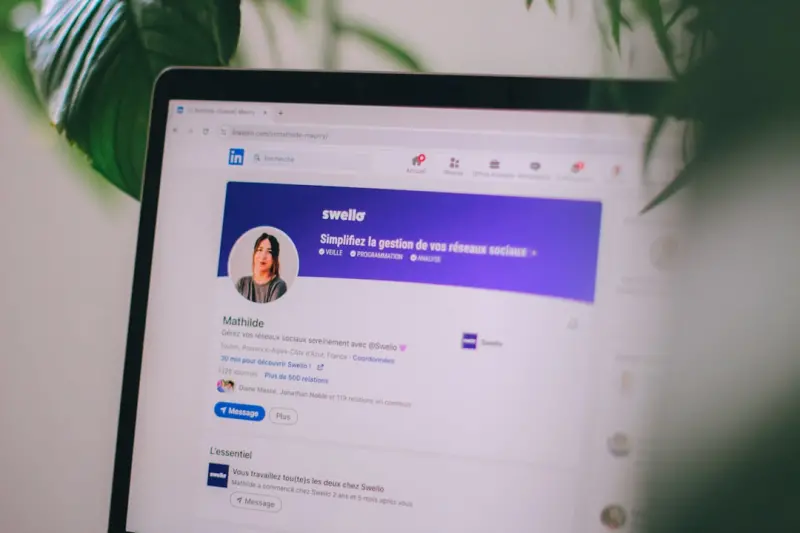
How to Turn Your LinkedIn Profile into a Search Engine Magnet
I reveal the hidden SEO levers inside LinkedIn—keyword‑rich headlines, strategic URL tweaks, and... Read More
Top Posts

Why AI‑Powered Toys Are Redefining Playtime for Kids
AI‑driven toys are transforming childhood by delivering personalized, interactive experiences that foster learning, creativity, and inclusivity—all while ke...Read More

From Pull Requests to PageRank: Harnessing Open‑Source Contributions for Link Building
Learn how to turn every code contribution, documentation update, and open‑source partnership into a powerful backlink, boosting SEO authority and driving sust...Read More

Beyond the Profile: How to Make LinkedIn a B2B Search Engine
This guide reveals how to treat LinkedIn as a searchable asset, covering internal search mechanics, profile optimization, content formats, and a 30‑day action...Read More

When AI Becomes Your Content Department: Trends Redefining SaaS Storytelling
Explore three AI‑first content trends—real‑time personalization via prompt engineering, autonomous content pipelines, and AI‑curated knowledge communiti...Read More
0 Comments
Post Comment
You will need to Login or Register to comment on this post!