

When most B2B SaaS teams think about content, they picture a calendar filled with blog posts, webinars, and whitepapers. What’s often missing is a disciplined approach to how those pieces talk to each other over time. Imagine each article, email, and social post as an instrument in an orchestra—when they’re tuned to a single theme and timed correctly, the result isn’t just noise; it’s a resonant brand symphony that guides prospects from curiosity to commitment.
Why a Narrative‑First Mindset Beats a Tactic‑First Checklist
Checklists are comforting. “Publish three blogs a week, tweet daily, send a monthly newsletter.” Yet the moment you rely solely on frequency, you surrender the story to the algorithm. A narrative‑first mindset asks a different question: What story are we telling, and how does each touchpoint advance that story? This shift forces you to map content not by type, but by the role it plays in the buyer’s journey.
Mapping the Story Arc Across the Funnel
Think of the classic three‑act structure—setup, confrontation, resolution—as a blueprint for the funnel:
- Act I (Awareness): Content that surfaces a problem the prospect may not fully own yet. The goal is intrigue, not persuasion.
- Act II (Consideration): Pieces that deepen the conflict, introduce potential solutions, and position your product as a viable path.
- Act III (Decision): Proof‑driven assets that remove doubt and guide the prospect toward a purchase.
When each piece knows its act, you avoid the “random blog post” trap and instead create a purposeful cadence that feels like a well‑written novel rather than a series of disjointed ads.
Building a Narrative Map: The Practical Steps
1. Identify Core Themes – Pull from the most pressing challenges your ideal customers share. For a SaaS platform, these might be “data silos,” “scalable onboarding,” or “real‑time analytics.”
2. Assign Themes to Funnel Stages – Decide which theme belongs to each act. A “data silos” theme might start with a thought‑leadership piece in Act I, move to a case study in Act II, and finish with a ROI calculator in Act III.
3. Define Content Vehicles – Choose the format that best serves each stage: long‑form research for awareness, interactive demos for consideration, and product‑specific webinars for decision.
4. Set Temporal Milestones – Rather than publishing at arbitrary intervals, align releases to the narrative rhythm. For example, a three‑part blog series can roll out weekly, each feeding into a gated ebook that drops at the series’ climax.
5. Cross‑Channel Sync – Ensure the story thread runs through LinkedIn posts, email sequences, and even paid ads. A LinkedIn post can tease the upcoming blog, while an email can recap the blog’s key insights and invite readers to the next act.
Leveraging Data Without Losing the Human Touch
Data should illuminate where the story is resonating, not dictate every headline. Use engagement metrics to spot friction points—high bounce on a consideration‑stage page may indicate the narrative isn’t compelling enough. Then tweak the messaging, not the entire theme.
For teams that crave a structured method, the behavioral data framework can be a helpful reference, but remember it’s a tool, not a script.
Modular Storytelling: Reuse Without Repetition
One of the biggest efficiency killers in SaaS content is recreating the same argument in slightly different wording for each channel. Instead, think of each narrative component as a modular block that can be recombined. A well‑crafted “problem statement” paragraph can appear verbatim in a blog, a LinkedIn carousel, and a slide deck, while a “solution overview” can be sliced into an email teaser, a short video script, and an infographic.
This approach keeps the voice consistent, reduces writer fatigue, and guarantees that prospects hear the same core message no matter where they encounter it.
Case Study: From Disjointed Blog Posts to a Cohesive Storyline
A mid‑size SaaS company was publishing roughly 12 pieces of content per month with no visible connection. Their metrics plateaued, and the sales team complained they were hearing “mixed messages.” By adopting a narrative‑first framework, they grouped content into a four‑act story about “transforming legacy reporting into real‑time insights.” Over three months, they saw:
- A 27% lift in organic traffic on awareness‑stage blog posts.
- A 41% increase in webinar registrations after aligning the webinar invitation with the “consideration” act.
- A 19% boost in qualified‑lead‑to‑opportunity conversion because the decision‑stage assets now directly addressed the objections raised earlier in the story.
The transformation was less about producing more content and more about ensuring every piece advanced the same narrative.
Technology Enablers: Not Every Tool Is a Magic Wand
Modern CMS platforms make it easy to tag assets, schedule cross‑channel pushes, and analyze performance. However, the real magic lies in the editorial process, not the software. Use a simple spreadsheet or a dedicated content‑mapping tool to track:
- Theme
- Funnel stage
- Content type
- Publish date
- Cross‑channel touchpoints
When you visualize the entire story as a timeline, gaps become obvious, and duplication is avoided.
Scaling the Narrative Without Losing Authenticity
As your content library grows, it’s tempting to let the narrative drift. To prevent this, schedule a quarterly “story audit.” Gather key stakeholders—product, sales, customer success—and ask:
- Is the core theme still relevant?
- Do we need to introduce a new act to address emerging market shifts?
- Are any assets out‑of‑sync with the current voice?
These audits keep the orchestra tuned and ensure the brand voice remains authentic, even as the market evolves.
Integrating Thought Leadership Without Becoming Self‑Indulgent
Thought leadership can feel like a vanity project if it’s not tied to the narrative. Anchor every op‑ed or industry‑trend piece to a concrete problem your prospects face. For instance, a “future of data integration” article should conclude with a clear call‑to‑action that points readers to a practical guide on solving data silos—tying the high‑level discussion back to the narrative arc.
Measuring Success: Beyond Vanity Metrics
Traditional metrics—page views, social likes—are useful but don’t capture narrative impact. Focus on:
- Story Completion Rate: The percentage of prospects who consume at least two consecutive acts (e.g., blog → ebook → webinar).
- Cross‑Channel Consistency Score: A qualitative rating of how well the message aligns across platforms, gathered via internal surveys.
- Funnel Acceleration: The reduction in days‑to‑opportunity for leads that engage with multiple narrative touchpoints versus those that only see isolated assets.
These KPIs spotlight the true power of a synchronized story: moving prospects faster through the funnel.
Future‑Proofing Your Narrative
Markets shift, products evolve, and new channels emerge (think voice assistants or augmented‑reality demos). A narrative‑first framework is inherently adaptable: you simply introduce a new act or retheme an existing one. Because the underlying structure is story‑driven, you avoid the chaos of rebuilding content from scratch.
Takeaway Checklist
- Define 3‑5 core themes that resonate with your target audience.
- Map each theme to a specific funnel stage using a three‑act structure.
- Choose the most effective content vehicle for each act.
- Create modular blocks that can be repurposed across channels.
- Schedule a quarterly story audit to keep the narrative aligned.
- Track story‑centric metrics to measure real impact.
When you stop treating content as isolated tasks and start viewing it as chapters in a larger saga, you’ll discover a hidden reserve of efficiency, consistency, and persuasive power. Your prospects won’t just read another blog post—they’ll experience a cohesive journey that feels tailored, trustworthy, and ultimately, compelling enough to convert.
For a deeper dive into how data can inform each narrative step, explore the systems thinking guide. And if you’re looking to nurture evergreen narratives that keep delivering value, the principles in evergreen growth are worth a look.

Related Posts

The Evolution of Content Marketing: Navigating the Age of AI and Beyond
The content marketing landscape is constantly evolving. Learn how to navigate the age of AI, social ... Read More

Interactive Content Playbooks: How Quizzes, Calculators, and Assessments Fuel SaaS Growth
Interactive assets like quizzes, calculators, and assessments turn passive readers into active parti... Read More

The Power of Narrative Ecosystems: Crafting Content That Grows With Your Audience
Learn to transform static content into a dynamic narrative ecosystem where users become storytellers... Read More
Top Posts

From Static Assets to Living Experiences: Rethinking Content Marketing
Learn how to shift from static content pieces to dynamic, modular experiences that adapt in real time, personalize for each buyer, and directly impact revenue....Read More

Predictive Content Calendars: Turning Data Into a Living Growth Engine
Learn how to build a data‑powered content calendar that anticipates audience intent, streamlines production, and maximizes ROI through predictive analytics an...Read More

Playful Futures: How Smart, Sustainable Toys Are Shaping the 2024 Market
Explore the 2024 toy renaissance where smart tech meets sustainability, creating engaging, eco‑friendly play that delights kids and reassures parents....Read More
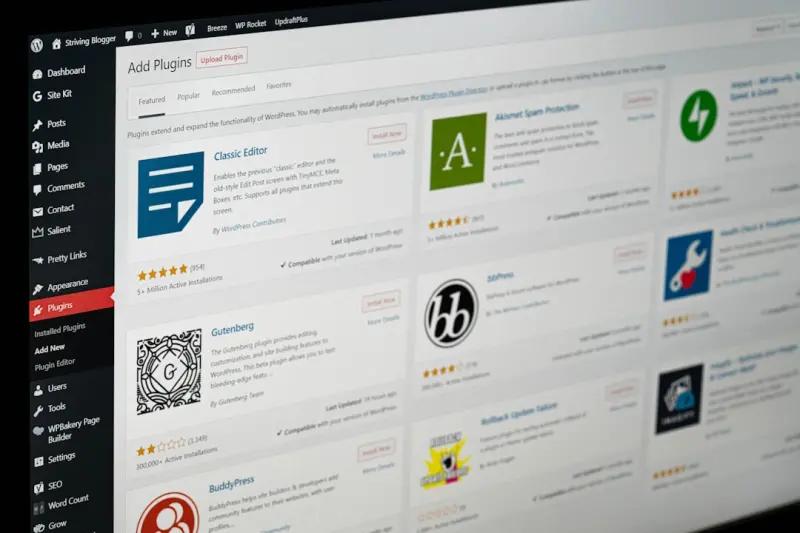
AI‑Driven Content Blocks and Headless WordPress: A Fresh SEO Playbook
Learn a modern, modular approach to WordPress SEO that leverages AI‑generated content blocks, headless deployment, and advanced schema to boost rankings, impr...Read More
0 Comments
Post Comment
You will need to Login or Register to comment on this post!