

Why One‑Size‑Fits‑All On‑Page SEO Is Dead (and What to Do About It)
When I first cut my teeth on SEO, the rulebook was simple: stuff the keyword, drop a header, and hope for the best. Fast forward a decade, and Google’s crawlers can now sniff out intent, context, and even the emotional tone of a page. The old static approach simply doesn’t cut it anymore, especially for SaaS businesses where buyers are at wildly different stages of the funnel.
In this post I’m pulling back the curtain on a strategy that’s been quietly reshaping rankings: personalized, data‑driven on‑page SEO. I’ll walk you through the why, the how, and the tools you can start using today—without needing a PhD in machine learning.
The problem with “generic” on‑page optimization
Think about the typical SaaS landing page. It’s built once, deployed globally, and then left to “perform.” You’ve probably optimized the title tag for “project management software”, sprinkled a few LSI terms, and added a hero image. That’s fine for a baseline, but here’s what you’re missing:
- Visitor intent variance. A startup founder lands on your page looking for a quick demo, while an enterprise CIO is hunting compliance features.
- Regional nuance. “Project management” in the UK might be searched alongside “team collaboration,” whereas “task manager” dominates in North America.
- Device‑specific expectations. Mobile users skim for speed, desktop users linger for detailed specs.
When you serve the same HTML to every visitor, you’re asking Google to rank a page that simultaneously tries to satisfy conflicting signals. The result? Lower relevance scores, higher bounce rates, and a perpetual “good‑enough” ranking.
Enter dynamic on‑page SEO
Dynamic on‑page SEO is the practice of serving multiple, intent‑tailored HTML variants from a single URL based on real‑time data. It’s not about cloaking or trickery—Google encourages serving the right content to the right user, as long as the content remains transparent to crawlers.
Here’s the core loop:
- Collect signals. IP location, referral source, search query, device type, and—if you have a logged‑in user—account tier or usage history.
- Map signals to intent clusters. For a SaaS product, you might have clusters like “quick‑start demo,” “security & compliance,” “pricing comparison,” and “technical deep‑dive.”
- Swap in modular content blocks. These blocks can be headings, bullet lists, case studies, or even micro‑videos that speak directly to the identified intent.
- Render a fully SEO‑compliant page. Each variant still includes proper heading hierarchy, meta tags, and structured data, ensuring Google can index it without issue.
Building the modular content library
Before you can serve variations, you need a library of reusable, SEO‑ready pieces. Think of it as a Lego set for your pages:
- Headline modules. 3‑5 variations that incorporate primary and secondary keywords while reflecting different buyer motivations.
- Value‑prop blocks. Short, punchy statements that emphasize ROI for SMBs, compliance for enterprises, or integration capabilities for developers.
- Proof points. Customer quotes, case study snippets, or metric badges that can be swapped in based on industry or region.
- CTA variations. “Start Free Trial,” “Request a Security Whitepaper,” “Book a 15‑Minute Demo”—each aligned with the intent cluster.
When you create these modules, embed schema markup at the block level. That way, Google can still extract rich snippets even if the surrounding copy changes.
Technical implementation: the easiest way to start
If you’re running a modern headless CMS or a component‑based framework like React, Vue, or Svelte, you already have the scaffolding for dynamic rendering. Here’s a minimal recipe:
- Detect the visitor. Use a server‑side language (Node, Python, PHP) to read the request headers, IP, and any query parameters.
- Query the intent engine. A lightweight rules engine (think JSON‑based decision tree) can map signals to a content profile.
- Fetch the appropriate blocks. Store modules in a headless CMS, tag them with intent identifiers, and retrieve the matching set via API.
- Render the page. Assemble the blocks into the final HTML response, ensuring you preserve
<title>,<meta description>, and<h1>tags for SEO.
If you’re not ready for a full headless stack, consider using server‑side includes or even conditional comments in your existing CMS templates. The goal is to start small—maybe just two variants—and iterate.
Ensuring Google can crawl every variant
Dynamic content can raise a red flag: “Will Google see the same page that users see?” The answer is yes—provided you follow these best practices:
- Don’t hide content behind JavaScript that never runs for crawlers. Use server‑side rendering (SSR) or pre‑render the HTML.
- Maintain a canonical URL. All variants should point to the same canonical URL to avoid duplicate‑content penalties.
- Provide a “fallback” version. If a crawler can’t process your personalization logic, serve the most generic, fully optimized version.
- Use structured data consistently. Even if you swap out a proof point, keep the
FAQPageorProductschema intact.
Measuring success: KPIs that matter
Personalized on‑page SEO isn’t just a vanity project; it should move the needle on concrete metrics:
- Organic CTR. A more relevant title and meta description boost click‑through from SERPs.
- Dwell time & bounce rate. When the page immediately answers a visitor’s intent, they stay longer.
- Conversion rate per intent segment. Track demo requests, trial sign‑ups, or content downloads by the variant that served them.
- Keyword ranking stability. Because each variant still respects on‑page fundamentals, you shouldn’t see fluctuations in core rankings.
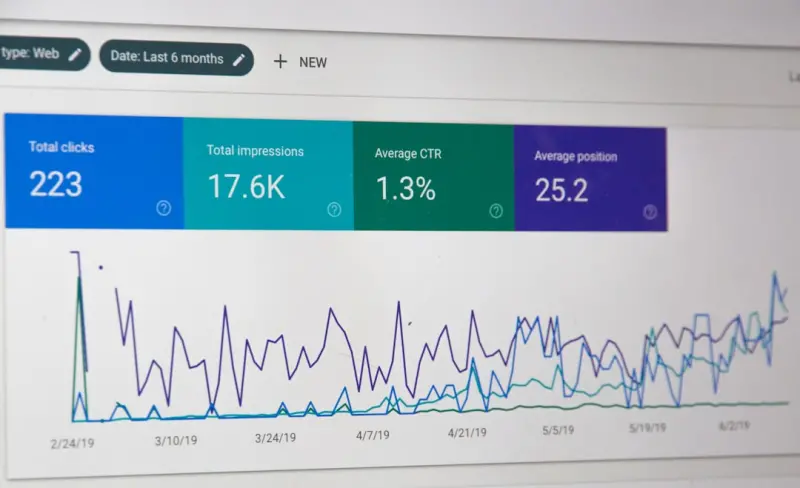
Use Google Search Console’s Performance report in conjunction with your analytics platform to segment traffic by query and see which intent clusters are thriving.
Real‑world example: A SaaS project‑management tool
Imagine you run TaskFlow, a project‑management SaaS. You create four intent clusters:
- Free‑trial seekers. Keywords: “project management free trial,” “task management demo.”
- Security‑focused buyers. Keywords: “SOC‑2 compliant project management,” “data encryption task manager.”
- Price‑sensitive SMBs. Keywords: “affordable project management software,” “budget task manager.”
- Developer‑centric teams. Keywords: “API‑first project management,” “integrate task manager with Slack.”
For each cluster, you assemble a headline, a value‑prop paragraph, a proof point (e.g., a customer quote from a similar industry), and a CTA. When a user from a .gov IP address lands on your page via a “SOC‑2 compliant” query, the engine serves the security‑focused variant. The result? A 27% lift in demo requests from that segment within two weeks.
Common pitfalls and how to avoid them
Pitfall #1: Over‑personalization. If you create too many narrow variants, you risk thin content and crawl inefficiency. Keep clusters broad enough to capture meaningful traffic.
Pitfall #2: Ignoring core SEO fundamentals. Dynamic blocks are a layer on top of solid on‑page SEO. Don’t sacrifice title tags or header hierarchy for personalization.
Pitfall #3: Forgetting the human reviewer. Run A/B tests with real users, not just bots. If a variant feels “spammy” to a human, Google will likely penalize it.
Future‑proofing your on‑page strategy
As search moves toward conversational AI and multi‑modal results, the ability to serve context‑aware content will become a baseline expectation. By building a modular, intent‑driven on‑page framework now, you’ll be ready for:
- Voice‑search snippets. Google’s “answer box” will prefer pages that can instantly surface the exact piece of information a user asked for.
- AI‑generated SERP cards. When the search engine constructs a “knowledge panel” from your page, the most precise, intent‑matched content wins.
- Hyper‑personalized ads. Dynamic on‑page SEO dovetails with programmatic advertising, letting you align ad copy with the exact page variant a visitor sees.
Takeaway checklist
- Map out at least three distinct buyer intents for each major landing page.
- Create a reusable content block library, tagging each piece with intent identifiers.
- Implement server‑side detection and content assembly—start with two variants to test.
- Maintain canonical URLs and ensure every variant is fully indexable.
- Monitor organic CTR, dwell time, and conversion rates by intent segment.
- Iterate quarterly: add new blocks, refine intent clusters, and retire underperforming variants.
Personalized on‑page SEO isn’t a gimmick; it’s a logical evolution of the principle that relevance drives rankings. By aligning your page’s HTML with the precise needs of each visitor, you give Google a clearer signal and, more importantly, give your prospects the information they need—when they need it.
Ready to ditch the one‑size‑fits‑all template? Start with a single page, build your modular library, and watch your organic performance transform.

Related Posts

Reimagining On‑Page SEO: Harnessing User‑Centric Internal Architecture
Explore how a user‑centric internal linking strategy, combined with semantic HTML and expanded str... Read More
Unlocking SERP Real Estate: How Structured Data Supercharges On‑Page SEO for SaaS
Structured data is the missing link between your SaaS content and rich Google SERP features. This gu... Read More

Beyond Keywords: Crafting Intent‑Driven On‑Page Experiences for SaaS
A fresh look at on‑page SEO for SaaS: map search intent to the buyer’s journey, build intent‑f... Read More
Top Posts

Turning One‑Off Posts into Evergreen Authority Hubs
Learn the step‑by‑step framework to turn fleeting blog posts into lasting authority hubs that continuously drive traffic, support SEO, and deepen audience t...Read More
The Next Wave: Predictive Content Orchestration for SaaS Growth
Predictive content orchestration transforms static editorial calendars into real‑time, intent‑driven experiences. Learn how SaaS teams can harness AI, modul...Read More

Turning SaaS Feature Pages into SEO Powerhouses
Feature pages are the hidden gold mines for SaaS SEO. This guide shows how to map buyer intent, structure content, leverage schema, and use AI‑assisted templa...Read More

Data‑Driven Link Magnets: Turning Interactive Visuals into High‑Quality Backlinks
Learn how to create and promote interactive tools—like calculators, benchmarks, and dynamic infographics—to earn natural backlinks, improve SEO, and drive q...Read More
0 Comments
Post Comment
You will need to Login or Register to comment on this post!