

Why Technical SEO Is the Backbone of 2026 Rankings
In a landscape where AI‑driven search models evaluate every nuance of a site, technical SEO has shifted from a behind‑the‑scenes checklist to a strategic differentiator that directly influences SERP visibility. Modern crawlers now prioritize sites that demonstrate not only relevance but also architectural efficiency, meaning that a single misconfigured redirect can cost a brand thousands of impressions in a single day. As businesses scramble to adapt, the real winners are those who treat server response times, indexability, and security as core brand assets rather than optional upgrades.
Crawl Budget Mastery in an AI‑First Index
Optimizing crawl budget begins with a clear hierarchy: a logical URL structure, concise sitemap entries, and the elimination of dead‑end pages that waste valuable bot cycles. By consolidating low‑value pages into canonical clusters and leveraging Technical SEO Playbook for 2026, you can signal to crawlers which content deserves priority, reducing server load while boosting the freshness of high‑impact pages. The result is a virtuous cycle where faster indexing leads to quicker ranking gains, which in turn justifies further investment in technical refinements.
Core Web Vitals: The New Baseline for User Experience
Google’s emphasis on Core Web Vitals has evolved beyond simple thresholds; today’s metrics incorporate real‑world user data that reflects device diversity, network variability, and even user intent. Large‑scale site owners must adopt a holistic monitoring strategy that combines synthetic testing with field data from Chrome User Experience Report, ensuring that Largest Contentful Paint (LCP) stays under 2.5 seconds and Cumulative Layout Shift (CLS) remains below 0.1 across all key pages. When these signals align, search engines reward sites with a “fast‑and‑stable” badge that can dramatically lift click‑through rates in competitive SERPs.
Schema Evolution: Structured Data That Speaks the Language of Search
The schema ecosystem of 2026 introduces richer, context‑aware types such as FAQPage extensions for AI‑generated answers and ProductVariation models that capture modular inventory across headless commerce platforms. Implementing JSON‑LD with precise @type definitions not only enhances SERP rich snippets but also feeds the knowledge graph with actionable facts that power voice assistants and conversational bots. For a step‑by‑step guide, see Technical SEO Trends That Will Dominate 2026, which outlines how to audit existing markup and future‑proof new content pipelines.
Edge Computing and Serverless Architecture: Reducing Latency at the Source
Deploying static assets and dynamic functions to edge locations shortens the round‑trip distance between user and server, shaving milliseconds off Time to First Byte (TTFB) and directly influencing Core Web Vitals scores. Modern CDN providers now offer integrated image optimization, Brotli compression, and real‑time cache invalidation that can be orchestrated via API, allowing SEO teams to iterate quickly without bottlenecks from legacy infrastructure. When combined with intelligent routing, edge computing creates a seamless experience that satisfies both users and search engine bots, especially in regions with historically slower connectivity.
JavaScript Indexing: Balancing Client‑Side Rendering with Server‑Side Solutions
While Google’s rendering engine has become adept at processing complex JavaScript frameworks, the cost of delayed rendering remains a ranking factor; sites that rely solely on client‑side rendering risk inflated LCP and lower crawl efficiency. A hybrid approach—using Server‑Side Rendering (SSR) for critical content and deferring non‑essential scripts to the client—delivers a “best of both worlds” experience, ensuring that key information is instantly available to crawlers while preserving interactive richness for users. Tools like Playwright and Lighthouse CI can automate the detection of render‑blocking resources, allowing teams to fine‑tune the balance before deployment.
Security Signals: HTTPS, Mixed Content, and Trust as Ranking Currency
Search engines now treat security as a direct ranking signal, meaning that even a single mixed‑content warning can erode authority and trigger manual penalties in highly competitive niches. Implementing HTTP/2 or HTTP/3 with strict transport security (HSTS) headers not only encrypts data but also improves connection multiplexing, leading to faster page loads and lower bounce rates. Regular vulnerability scans and automated certificate renewal pipelines ensure that the site remains both secure and performant, reinforcing the trust that users—and algorithms—expect.
Automated Auditing and CI/CD Integration for Ongoing Technical Health
Manual audits are no longer sustainable at scale; integrating technical SEO checks into Continuous Integration/Continuous Deployment (CI/CD) pipelines guarantees that every code push is validated against performance, accessibility, and schema standards. Platforms such as GitHub Actions and GitLab CI now support plugins that run Lighthouse, Screaming Frog, and custom regex tests, providing immediate feedback to developers and preventing regressions before they go live. This proactive stance transforms technical SEO from a reactive fix into a continuous improvement engine that aligns with agile development cycles.
Human‑Centric Technical SEO: The Future of Sustainable Rankings
Ultimately, the most resilient technical strategies are those that prioritize human experience while satisfying algorithmic demands—a philosophy echoed throughout our WordPress SEO 2026 guide. By viewing site architecture, performance, and security through the lens of user intent, marketers can craft ecosystems that adapt to future search innovations without constant overhauls. Embracing this mindset means investing in scalable infrastructure, data‑driven testing, and cross‑functional collaboration, ensuring that your brand stays ahead of the curve as technical SEO continues to evolve.

Related Posts

Technical SEO Playbook for 2026: Strategies That Win
In 2026, technical SEO is the backbone of digital visibility; learn how to master crawl budgets, evo... Read More

Technical SEO Trends That Will Dominate 2026
Discover the 2026 technical SEO trends reshaping search, from AI‑enhanced crawling to Core Web Vit... Read More

Unlocking Crawl Budget: A Technical SEO Blueprint for Massive Sites
Discover a step‑by‑step guide to managing crawl budget, eliminating waste, and prioritizing high... Read More
Top Posts

Mobile SEO: Why It's More Crucial Than Ever for Your Online Success
Mobile SEO has become a critical component of any successful online strategy. Learn how to optimize your website for mobile devices and improve your search engi...Read More
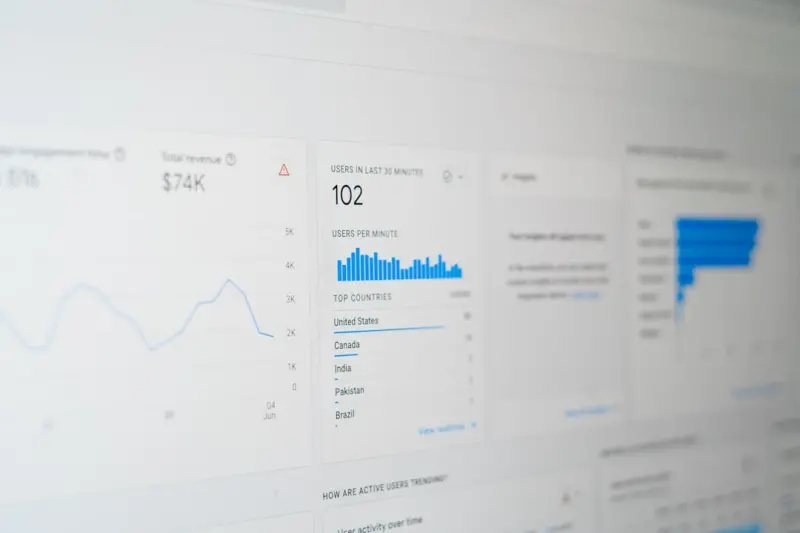
WordPress SEO: Building a Content‑First Architecture That Outranks the Rest
WordPress SEO isn’t just about plugins; it’s about a content‑first architecture, Gutenberg blocks, Core Web Vitals, and user‑generated content that toge...Read More
Turning Interaction Data Into On‑Page SEO Gold
Learn to leverage clicks, scroll behavior, and dwell time as powerful ranking signals, turning every user interaction into an SEO advantage....Read More

Jimmy Anand’s 2024 WordPress SEO Playbook: Human‑Centric Tactics That Rank
Jimmy Anand reveals a 2024 WordPress SEO roadmap, mixing technical tweaks, mobile mastery, and human‑first content to boost rankings and keep audiences engage...Read More
0 Comments
Post Comment
You will need to Login or Register to comment on this post!