

Why Audio‑First Content Is the Next Big Wave for SaaS Brands
When I first walked into a conference hall and heard a keynote delivered entirely via a crisp, well‑produced podcast, I felt a shift in the room. Attendees weren’t scrolling on their phones; they were listening, nodding, and, most importantly, internalizing the message. That moment reminded me that content consumption habits are evolving faster than our typical editorial calendars. While we’ve spent the last few years obsessing over SEO, micro‑moments, and interactive widgets, the silent giant waiting in the wings is audio‑first content.
From Background Noise to Strategic Asset
Audio isn’t new—think webinars, conference calls, and the occasional demo reel. What’s new is the intentional placement of audio at the core of a content strategy, not as an afterthought. SaaS buyers are increasingly multitasking: they’re on a commute, in a gym, or juggling a sprint planning session. Text‑heavy assets often get skimmed or postponed, but an audio snippet can travel with them, turning “later” into “right now.”
Here’s why the audio‑first model matters:
- Accessibility. Voice‑enabled devices and transcription tools make audio content reachable for people with visual impairments or reading challenges.
- Retention. Studies show that listeners retain up to 60% of spoken information versus 10% of written text.
- Human Connection. A voice carries tone, emotion, and authenticity that a static paragraph can’t replicate.
Mapping the Audio Landscape for SaaS
Before you rush to record a podcast series, take a step back and map where audio can naturally fit into the buyer’s journey:
- Awareness. Short, 60‑second “audio bites” that answer common industry questions can be embedded in blog posts or landing pages. Think of them as audio infographics.
- Consideration. In‑depth interviews with product engineers or satisfied customers become mini‑episodes, offering a deeper dive into use‑cases.
- Decision. Personalized audio demos—where a sales rep records a brief walkthrough tailored to a prospect’s environment—can boost conversion rates.
- Retention. Quarterly “product pulse” audio newsletters keep existing users informed about new features without adding to email fatigue.
Building an Audio‑First Workflow Without Breaking the Bank
Many SaaS teams assume that a high‑quality audio strategy requires a full studio and a host of freelancers. In reality, a lean, iterative approach works wonders:
- Start with a “Voice‑First” Audit. Identify existing content that can be repurposed—blog posts, case studies, even support tickets. Turn them into audio scripts and test the waters.
- Leverage Existing Tools. Platforms like Descript or Otter.ai provide AI‑driven transcription and editing, slashing production time by up to 70%.
- Establish a Consistent Sound Brand. Choose a single voice (or a small roster) that aligns with your brand personality. Consistency builds trust.
- Integrate with Your Content Ops. Align audio creation with your existing Scaling Content Ops guide to ensure assets are stored, tagged, and searchable for future repurposing.
- Measure, Iterate, Scale. Track metrics like completion rate, shareability, and downstream SEO impact (yes, search engines index podcasts!). Adjust length, format, and distribution channels accordingly.
SEO Meets Sound: The Unexpected Benefits
While audio may seem orthogonal to search, Google’s algorithm increasingly values diverse content formats. When you upload a podcast episode with a comprehensive transcript, you create a dual‑layered asset: a searchable text file and an engaging audio experience. This synergy can improve keyword relevance and dwell time, two metrics that indirectly boost rankings.
Moreover, interactive content strategies are evolving to incorporate audio quizzes, voice‑activated surveys, and even AI‑driven chat‑style audio assistants. These interactive audio elements encourage users to spend more time on your site, sending positive signals to search crawlers.
Human‑Centric Storytelling at Scale
One of the biggest challenges for SaaS marketers is scaling storytelling without losing authenticity. Audio offers a middle ground: it’s intimate like a one‑on‑one conversation but can be mass‑produced with the right templates. Imagine a pipeline where every new customer success story is automatically turned into a 2‑minute narrated case study, complete with background music and a call‑to‑action. This not only expands your content library but also showcases real‑world impact in a format that resonates emotionally.
Practical Tips for Getting Started
Here are ten quick wins you can implement this quarter:
- Repurpose blog intros. Record the opening paragraph as a teaser audio snippet and embed it at the top of the article.
- Customer voice clips. Ask happy users to record a 30‑second soundbite about how your product solved a pain point.
- Micro‑podcasts. Launch a “SaaS in 5 Minutes” series, covering a single feature or tip per episode.
- Voice SEO. Include natural language keywords in your script—people ask questions, so phrase content as questions and answers.
- Internal knowledge base. Convert FAQ articles into audio FAQs that can be accessed via a smart speaker integration.
- Team “audio stand‑ups”. Record quick weekly updates from product, sales, and support, and share them with the broader organization.
- Social sound bites. Share 15‑second audio clips on platforms like LinkedIn and Twitter using native audio cards.
- Podcast cross‑promotion. Partner with industry podcasts for guest spots—your expertise reaches a new audience without extra production.
- Analytics integration. Use UTM parameters on audio download links to track how listeners move through your funnel.
- Accessibility compliance. Always provide transcripts; they improve SEO and ensure inclusivity.
Overcoming Common Hurdles
“We don’t have a voice talent.” Start with your own team. Authenticity often trumps polished narration, especially in B2B.
“Audio won’t rank.” Google indexes podcast transcripts and can surface audio results in the “People also ask” section. Pair audio with strong metadata.
“Our audience won’t listen.” Test with a small segment—perhaps your most engaged customers—and use feedback to refine format and length.
The Future Is Already Listening
Voice assistants are becoming household fixtures. By the time they’re ubiquitous in the office, SaaS brands that have already built a robust audio library will own the conversation. The early adopters will not only see higher engagement metrics but also set a new benchmark for what “content experience” looks like in a noisy, multitasking world.
If you’re ready to start, remember that audio is just another channel for the stories you already love to tell. Align it with your existing content processes, measure its impact, and let the data guide your next episode. The sound of success is just a recording away.

Related Posts
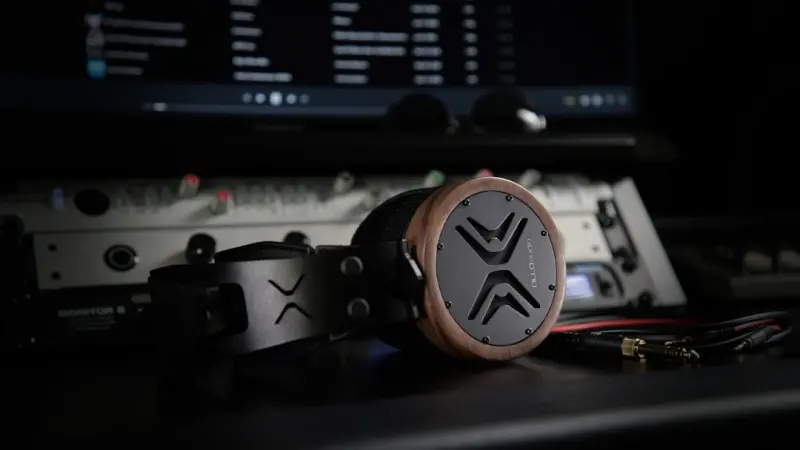
Why Audio‑First Content Is the Next Frontier for B2B SaaS
Audio‑first content is reshaping B2B SaaS marketing, from podcasts that build trust to voice‑sea... Read More

Interactive Content Hubs: The Next Frontier for SaaS Engagement
Interactive content hubs turn passive readers into active participants, delivering immediate value, ... Read More
From Static Pages to Immersive Journeys: Redefining B2B Content with Interaction
Interactive content is reshaping B2B marketing by turning passive viewers into active participants, ... Read More
Top Posts

Community‑First Social Media Strategy: Turning Micro‑Groups into Brand Super‑Fans
A new social media playbook shows how nurturing micro‑communities, inviting co‑creation, and listening in real time can transform followers into passionate ...Read More

Turn Play into Power: Gamified Content Creation for SaaS Growth
A fresh approach to SaaS content strategy—using game mechanics to motivate teams, involve customers, and produce higher‑quality assets that drive growth....Read More

Embracing the Evolution of SEO: A Comprehensive Guide to Success
Stay ahead of the curve with the latest SEO strategies and trends. Learn how to optimize your website, create high-quality content, and drive more traffic with ...Read More

Community‑Driven Local SEO: Turning Neighborhood Ties into Search Power
Learn how to leverage community collaborations, local events, and neighborhood storytelling to dominate local search results and build lasting authority in your...Read More
0 Comments
Post Comment
You will need to Login or Register to comment on this post!