
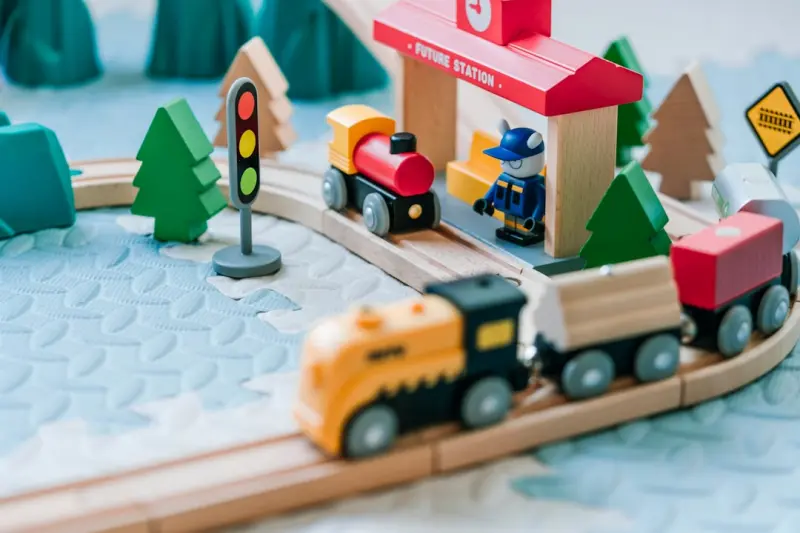
From Kits to Code: The Evolution of DIY Tech Toys
When a child snaps together a circuit board and watches a LED flicker, the moment feels like pure alchemy—a blend of curiosity, tactile engagement, and the thrill of making something that actually works. DIY tech toys have surged beyond simple snap‑together kits, incorporating programmable micro‑controllers, sensor arrays, and even augmented reality layers that turn a bedroom floor into an interactive lab. This shift is not just about gadgets; it’s about giving youngsters a sandbox where hardware meets software, encouraging them to iterate, fail, and succeed in real time. As the line between play and creation blurs, parents and educators notice a spike in problem‑solving confidence, because each successful loop of code reinforces a sense of agency that traditional toys rarely provide.
What sets modern DIY tech toys apart is their accessibility: manufacturers now ship starter packs with cloud‑based tutorials that translate complex engineering concepts into bite‑sized lessons, all while preserving the hands‑on feel of a tangible project. A child can program a small robot to navigate a maze, then tweak its algorithm in seconds, watching the robot adapt on the fly. This rapid feedback loop mirrors the way professional developers debug software, but in a safe, low‑stakes environment that nurtures resilience. Moreover, the modular nature of these kits means they grow with the user; a simple starter set can evolve into a sophisticated IoT prototype, extending the toy’s lifespan far beyond the typical three‑month novelty period.
Beyond the immediate fun, there’s an unexpected ripple effect on family dynamics. When kids bring home a newly coded light show or a sensor‑driven weather station, the excitement spills over to dinner tables, sparking conversations about electricity, data, and even ethics. Parents find themselves learning alongside their children, often consulting online forums or watching video guides together, turning a solitary hobby into a shared learning adventure. This collaborative atmosphere not only strengthens bonds but also demystifies technology, making it feel less intimidating for the entire household. In essence, DIY tech toys act as catalysts for intergenerational curiosity, bridging gaps between age groups through a common language of creation.
For those wondering how to navigate the ever‑expanding market, a practical approach is to start small and prioritize open‑source platforms that encourage community contributions. Brands that publish their code libraries openly empower users to remix, share, and improve upon existing designs, fostering an ecosystem where learning never truly ends. AI-powered experiences are beginning to appear in these kits as well, allowing children to experiment with simple machine‑learning models that recognize voice commands or adapt to environmental cues. By embedding such capabilities early, we seed a generation comfortable with both the hardware foundations and the emergent intelligence that will define tomorrow’s digital landscape.
Why Playful Prototyping is the Next Big Learning Trend
Imagine a classroom where students spend half the day building a miniature wind turbine, testing its output, and then iterating on the blade design based on real‑world data. This is the essence of playful prototyping: a structured yet whimsical approach that treats failure as a stepping stone rather than a setback. Unlike traditional worksheets that isolate concepts, this method immerses learners in a loop of hypothesis, experimentation, and reflection, mirroring the scientific method in a format that feels like play. The result is deeper retention of engineering principles, because students see immediate, tangible consequences of their decisions.
The rise of maker‑space culture in schools and libraries has paved the way for this shift, but the real catalyst is the integration of storytelling into the prototyping process. When a group of kids decides to create a “smart garden” that waters plants based on soil moisture, they naturally craft a narrative—perhaps a futuristic greenhouse on Mars—giving purpose to each component they assemble. This narrative framing transforms abstract technical tasks into meaningful quests, aligning with how the brain processes information: stories are remembered more vividly than isolated facts. Consequently, learners not only grasp the mechanics of sensors and actuators but also develop empathy for the end‑user, a skill often overlooked in conventional STEM curricula.
- Identify a real‑world problem that resonates with the students.
- Choose modular, reusable components that can be reconfigured.
- Encourage iterative cycles: design, test, refine, and document.
- Wrap the project in a narrative that gives context and motivation.
Embedding these steps into lesson plans creates a rhythm that students quickly come to expect and enjoy. The repetitive nature of building, testing, and tweaking builds confidence, because each iteration proves that improvement is always within reach. Moreover, the documentation phase—where learners journal their findings, sketch diagrams, and present results—reinforces communication skills, turning technical jargon into accessible language. This holistic development mirrors the competencies valued in modern workplaces, where cross‑functional collaboration and clear articulation of ideas are paramount.
To amplify the impact of playful prototyping, educators can leverage existing digital platforms that track progress and provide instant feedback. For instance, using a cloud dashboard, a class can collectively monitor the energy output of their prototype turbines, compare data across weeks, and celebrate milestones with digital badges. Such gamified elements keep motivation high while also introducing concepts of data analysis and visualization. As students become comfortable with these tools, they naturally transition to more complex projects, such as integrating social audio cues that trigger alerts when environmental thresholds are crossed, marrying hardware with emerging communication trends.

Related Posts
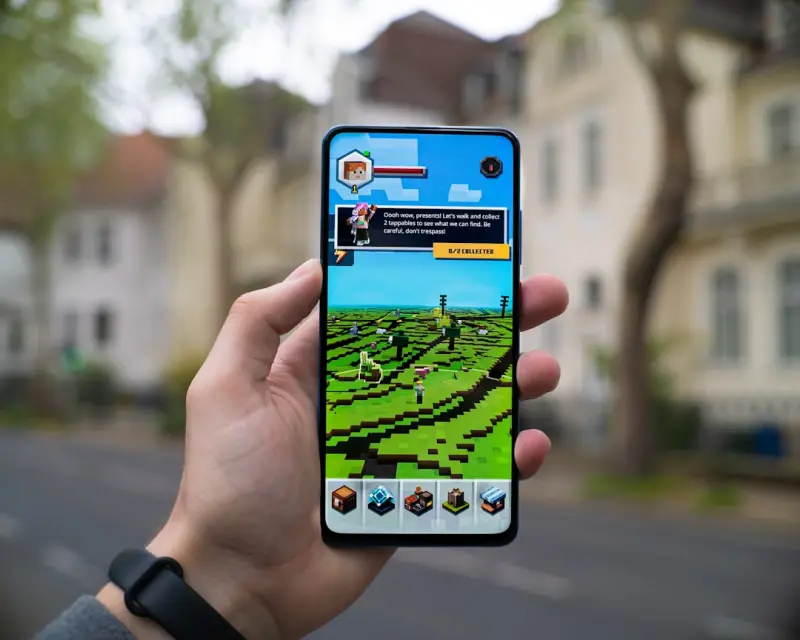
AI and Augmented Play: The Next Wave of Toys Parents Can’t Ignore
From AI‑responsive plush pals to AR‑enhanced storybooks, this post uncovers the emerging trends ... Read More

Green Playgrounds: How Sustainable Toys are Reshaping Childhood
Sustainable toys are transforming the industry, blending eco‑friendly materials, transparent story... Read More

The World of Collectible Toys: A Guide to the Hobby
Collectible toys have become increasingly popular in recent years, with many enthusiasts willing to ... Read More
Top Posts

Micro‑Learning Modules: The New Backbone of B2B Content Strategy
Micro‑learning modules—short, focused lessons—are transforming B2B content strategies by delivering instant value, increasing feature adoption, and drivin...Read More

Harnessing Edge Computing and Serverless Functions for Technical SEO Success
Learn how to leverage edge computing and serverless functions to dramatically improve SEO metrics, crawl budget, and organic visibility....Read More

How SaaS Companies Can Conquer Mobile Search with Deep Linking and App Indexing
This guide reveals a step‑by‑step approach for SaaS businesses to dominate mobile search, covering app indexing, deep linking, structured data, performance ...Read More

Beyond Clicks: How Conversational Ads Are Redefining Social Media Advertising for SaaS
Conversational ads embed brand messaging within chat platforms, turning passive scrolls into active dialogues. This post explores why they matter, how to build ...Read More
0 Comments
Post Comment
You will need to Login or Register to comment on this post!