
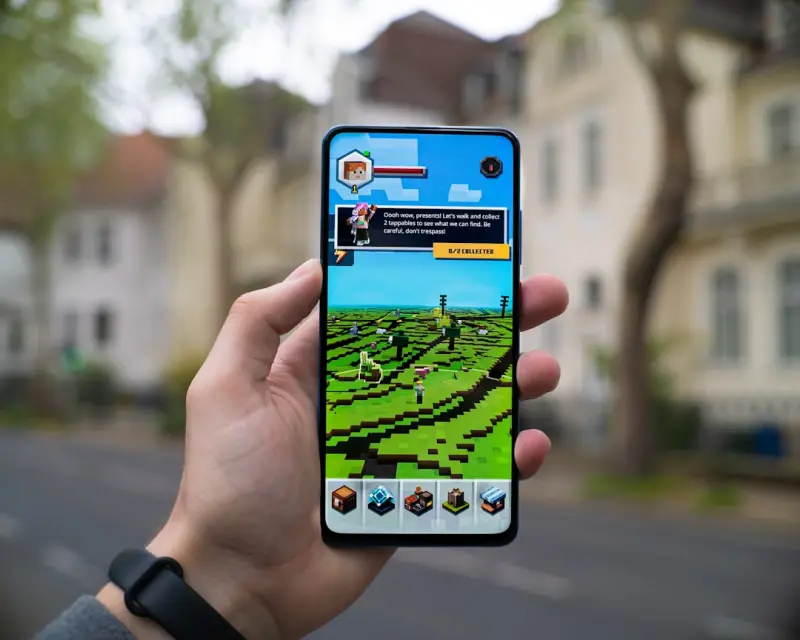
AI and Augmented Play: The Next Wave of Toys Parents Can’t Ignore
When I was a kid, my favorite toys were the ones that sparked my imagination without ever needing an update—think cardboard forts, a trusty set of building blocks, or that wind‑up robot that marched across the floor on a clunky rhythm. Fast forward to today, and the playroom looks more like a tech lab. From voice‑responsive plush pals to augmented‑reality (AR) scavenger hunts that turn the living room into a jungle, the toys landscape is undergoing a seismic shift. As a lifelong play‑enthusiast and a mother of two, I’ve been watching these changes with equal parts awe and skepticism. This post dives into the three biggest trends that are redefining how children—and the grown‑ups who buy for them—experience play.
1. AI‑Driven Toys: Personalization at the Speed of Thought
Artificial intelligence isn’t just for smartphones and smart homes anymore; it’s stepping onto the toy shelf. AI‑enabled toys learn from a child’s interactions, adapting language, difficulty level, and even personality to keep the experience fresh. Imagine a plush bear that remembers your child’s favorite bedtime story and can improvise new endings based on their mood, or a robot that adjusts its challenge puzzles as your little engineer masters each step.
Why does this matter? The core of play is the “zone of proximal development”—the sweet spot where a child is neither bored nor overwhelmed. AI helps maintain that balance by constantly analyzing performance data and tweaking the game dynamics in real time. Parents see fewer meltdowns because the toy doesn’t plateau; it evolves alongside the child.
Of course, with great data comes great responsibility. Privacy concerns are front‑and‑center, especially when toys start listening and recording. Reputable manufacturers are now adopting end‑to‑end encryption and clear opt‑out options, but it’s essential for parents to read the fine print and choose brands that prioritize security.
One standout example is an AI‑powered coding kit that teaches programming concepts through a physical robot. As the child writes simple commands, the robot offers hints and celebrates milestones, creating a feedback loop that feels less like a lesson and more like a game.
2. Hybrid Play: Merging Physical Toys with Digital Experiences
Remember the thrill of scanning a QR code on a cereal box and unlocking a secret game? That novelty has evolved into a sophisticated blend of tangible and virtual play. Augmented reality overlays digital content onto physical objects, turning a simple puzzle into a living, breathing adventure.
- AR Storybooks: Point a tablet at a page, and the characters leap off the page, interacting with the child’s environment. The narrative expands dynamically, allowing kids to influence outcomes by moving objects in their room.
- Smart Building Sets: Classic construction bricks now come with embedded sensors. When assembled correctly, they trigger on‑screen animations or unlock new building challenges via a companion app.
- Interactive Game Mats: A floor mat dotted with sensors can detect where a child steps, turning a dance routine into a high‑score competition projected onto the wall.
Hybrid toys capitalize on the best of both worlds: the tactile feedback of real objects and the limitless possibilities of software updates. This also means the play experience can evolve without needing to buy a whole new toy line—manufacturers can push new content, seasonal events, and even community‑created levels directly to existing products.
From a business standpoint, this model mirrors the SaaS approach of continuous delivery, a concept explored in depth in Beyond the Fold: Mobile SEO Tactics That Drive B2B Conversions. The same principles of retaining users through fresh content apply, just with a different audience.
3. Storytelling Toys That Grow With Their Owner
Storytelling has always been at the heart of play, but modern toys are now designed to co‑author narratives with their owners. Think of a modular adventure kit where each piece you add unlocks a new chapter of a saga. The child becomes both the protagonist and the author, shaping the plot as they build, draw, or code.
These kits often come as subscription services—each month delivers a new “episode” that ties back to previous installments. The continuity encourages long‑term engagement, a strategy reminiscent of content drip campaigns in marketing. In fact, the idea of nurturing an audience over time is detailed in Designing a Content Governance Engine for Scalable SaaS Growth, which highlights the power of consistent, evolving experiences.
Beyond the fun factor, storytelling toys support language development, emotional intelligence, and problem‑solving. By prompting children to consider cause and effect—“If I place this dragon here, what happens next?”—they’re practicing critical thinking in a low‑stakes environment.
4. Community‑Driven Play: Co‑Creation Platforms
One of the most exciting developments is the rise of platforms that let families collaborate on toy design. Parents can vote on color palettes, submit feature ideas, or even prototype parts using 3D printers. The most popular concepts often make it to production, with contributors receiving credit or royalties.
This democratization mirrors the creator economy we see online. By empowering users to shape the product roadmap, brands foster loyalty and generate buzz that feels authentic. Moreover, community input helps identify gaps that traditional market research might miss, such as niche interests or cultural nuances.
When a toy line is built on community feedback, the resulting product tends to have a built‑in advocacy network. Kids love showing off something they helped create, and parents appreciate the transparency and involvement.
5. What Parents Should Look For When Choosing Next‑Gen Toys
With so many high‑tech options, it’s easy to feel overwhelmed. Here’s a quick checklist to guide your decisions:
- Data Privacy: Look for clear privacy policies, local data storage, and the ability to delete recordings.
- Longevity: Does the toy receive regular software updates? Can new content be added without buying a new version?
- Physical Play Value: Even the smartest toy should encourage hands‑on interaction, not just screen time.
- Educational Alignment: Does the toy support learning goals you care about—STEM, language, social skills?
- Community Support: Brands with active forums, creator hubs, or user‑generated content libraries often deliver richer experiences.
Remember, the goal isn’t to replace traditional play but to augment it. A balanced playroom might feature a wooden train set alongside an AI‑enabled explorer robot and a set of AR story cards. Each offers a different avenue for curiosity, creativity, and connection.
6. Looking Ahead: The Future of Play
We’re at a crossroads where imagination meets algorithm. The next decade will likely see toys that not only respond to a child’s actions but anticipate them—predictive play that suggests challenges before the child even asks. Imagine a puzzle that senses when a child is bored and subtly reshapes itself to introduce a fresh twist.
These innovations will also blur the line between toys and tools. As children grow into digital natives, the skills they acquire through play—coding logic, spatial reasoning, empathy via interactive storytelling—will become foundational for future careers. In this sense, toys are becoming the first classroom of the 21st century.
For parents, the key is to stay curious, ask questions, and involve kids in the decision‑making process. After all, the best toys are the ones that spark a shared adventure, whether that adventure takes place on a living‑room floor, a tablet screen, or somewhere in the space between.
So next time you walk past the aisle of glowing, talking plushies, remember that behind each blinking eye is a blend of engineering, psychology, and a dash of magic. Choose the ones that align with your family’s values, and watch as play becomes a collaborative journey that evolves with every new discovery.

Related Posts
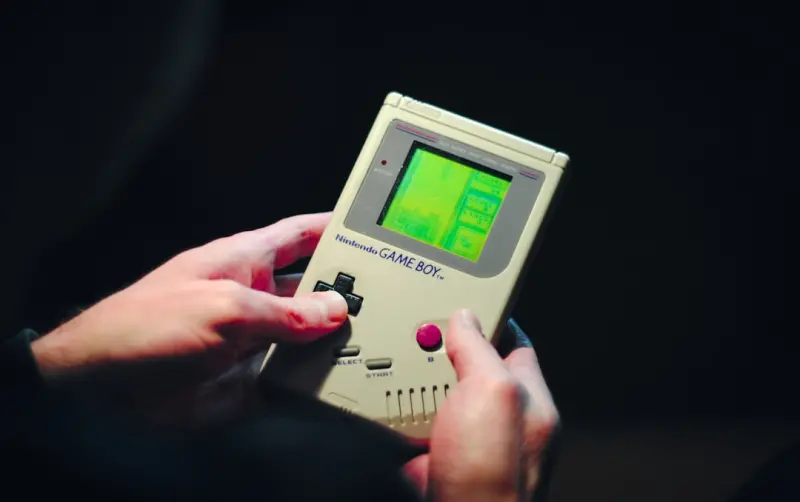
Why Handheld Toys Are Winning the Battle Against Screens
Physical toys are experiencing a strong comeback as parents and kids alike seek hands‑on experienc... Read More
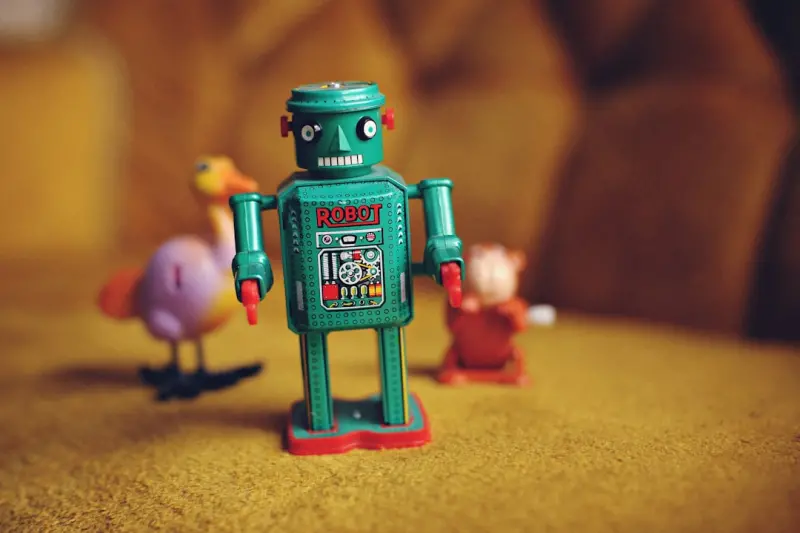
When Imagination Meets Machine: The AI Toy Revolution
A deep dive into how artificial intelligence and augmented reality are transforming the toy industry... Read More

Beyond Plastic: How Sustainable Toys Are Shaping Tomorrow’s Play
Sustainable toys are redefining play by using renewable materials, lasting designs, and transparent ... Read More
Top Posts
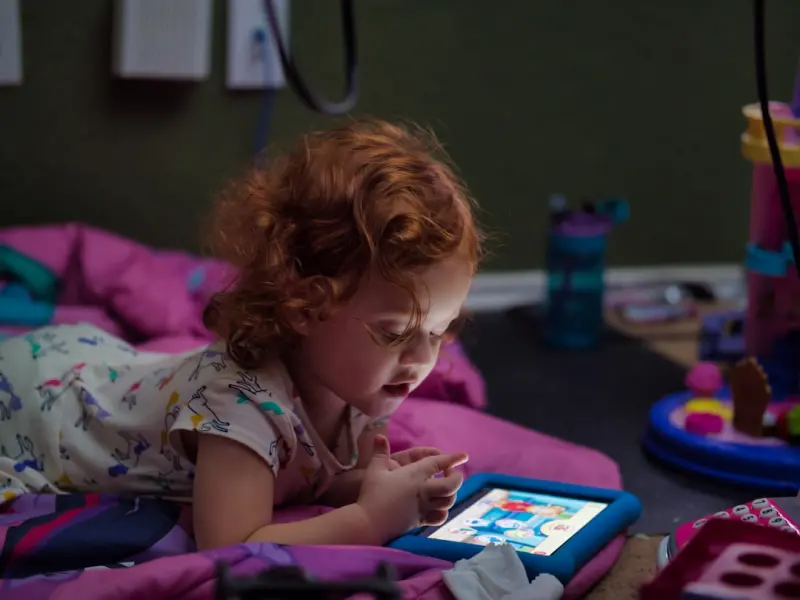
The AI Playbook: How Smart Toys Are Redefining Childhood
Smart toys are evolving from static plastic to AI‑driven companions that learn, adapt, and grow with children. This post dives into the technology, privacy co...Read More

Conversational Content Hubs: The Next Frontier for B2B Engagement
Learn why conversational content hubs are reshaping B2B marketing, how to build them using knowledge graphs and intent classification, and the metrics that prov...Read More

Building a Content Strategy That Listens: Empathy as Your Competitive Edge
Learn why putting empathy at the core of your content strategy creates deeper connections, higher rankings, and lasting brand loyalty....Read More

LinkedIn SEO: Unlocking Niche Visibility for Professionals
Learn how to optimize your LinkedIn profile for niche keywords, leverage diverse content formats, and track results, turning casual viewers into meaningful prof...Read More
0 Comments
Post Comment
You will need to Login or Register to comment on this post!