
Why Your Frontline Employees Are the Secret Sauce of a Winning Social Media Strategy
When I first walked onto the stage at a SaaS growth summit, I could feel the buzz in the room—everyone was shouting about algorithms, AI‑driven ad platforms, and the next big KPI. Yet, as the applause faded, I kept hearing the same whisper: “We need authentic voices.” That’s when the idea hit me—what if the most authentic voice isn’t a hired influencer, but the people who actually use—and sell—our product every day?
The Myth of the “Marketing‑Only” Social Account
Most B2B SaaS companies treat their social channels like a billboard: a one‑way megaphone where the marketing team shouts the latest feature, the newest case study, or a polished thought‑leadership piece. It works, but it’s a limited game. The audience can sense the distance, and the algorithm rewards genuine engagement over polished monologues.
My own experience tells me that the moment we let real employees step behind the brand’s social curtain, the conversation flips. Suddenly, you’re not just broadcasting; you’re participating. And participation is the engine that fuels sustainable growth.
From “Brand Ambassadors” to “Brand Amplifiers”
There’s a subtle, yet powerful shift between calling your staff “brand ambassadors” and labeling them “brand amplifiers.” An ambassador merely represents the brand; an amplifier actively multiplies its reach, credibility, and relevance. Amplifiers do this by:
- Sharing real‑world use cases. A support engineer can post a short video showing how a tricky onboarding issue was solved in minutes.
- Humanizing product updates. Instead of a sterile release note, a product manager can narrate the problem they were trying to solve.
- Engaging with prospects in real time. A sales rep replies to a comment, turning a casual question into a warm lead.
This is not about turning every employee into a full‑time social media manager. It’s about giving them a platform and a process to share moments that matter.
Building the Framework: The 4‑Step Amplifier Playbook
Implementing employee advocacy at scale can feel daunting. I broke it down into a simple, repeatable four‑step playbook that any B2B SaaS can adopt.
1. Identify Authentic Storytellers
Start by mapping out who on your team lives and breathes the product. Think beyond sales and marketing—customer support, product designers, even finance can have compelling narratives. Use internal surveys and listening sessions to surface those who naturally talk about their work with excitement.
2. Equip with Easy‑To‑Use Tooling
The best tool is one that requires no extra training. Many SaaS firms gravitate toward complex social scheduling platforms, but the real win comes from integrations that sit inside the tools employees already use—like a Slack bot that pushes a pre‑approved post once a week, or a CRM overlay that suggests a LinkedIn share after closing a deal.
3. Create a “Story Bank”
Collect bite‑size story prompts that anyone can plug into. For example:
- “The most surprising thing a customer told me this week was…”
- “A feature we just launched saved X minutes for a user—here’s how.”
- “A quick tip that helped me avoid a common pitfall in Y.”
These prompts reduce friction and keep the content pipeline flowing.
4. Measure, Celebrate, Iterate
Unlike vanity metrics (likes, follows), focus on social‑originated pipeline. Track how many qualified leads, demos, or product trials can be traced back to an employee post. Celebrate the wins publicly—recognition fuels more sharing.
Why This Works: The Psychology Behind Peer Influence
Research shows that B2B buyers trust peers 2.5× more than they trust brand messaging. When a prospect sees a colleague’s post about solving a real problem, the brain registers it as a social proof cue, reducing perceived risk.
Moreover, employee posts often surface in the feeds of their personal connections—people who already have a level of trust established. This creates a ripple effect that paid ads and brand pages can’t replicate.
Case Study: Turning Support Engineers into Social Superstars
One of our customers, a mid‑size SaaS platform, struggled with churn caused by onboarding friction. The marketing team tried webinars and email drip campaigns with limited success. We suggested a simple experiment: let the lead support engineer share a “quick tip” video every Tuesday.
Within a month, the video series generated 250+ organic engagements, and the company saw a 12% lift in trial‑to‑paid conversions. The real kicker? The support engineer became a recognized voice in the industry, attracting inbound requests for speaking gigs.
If you’re curious about how community‑driven initiatives can boost growth, check out Social‑First Customer Success: Turning Communities into Growth Engines for a deeper dive.
Integrating Employee Advocacy with Paid Social
Amplifier content doesn’t replace paid media; it enhances it. Here’s how you can blend the two:
- Retarget Engaged Employees’ Audiences. Use LinkedIn’s audience match to serve ads to people who have interacted with your employee’s post.
- Boost High‑Performing Employee Posts. Allocate a modest ad spend to amplify a post that already shows organic traction.
- Layer UGC into Ad Creative. Replace stock images with screenshots of real employee videos or quotes for a more authentic feel.
In practice, a B2B SaaS that paired employee‑generated case study snippets with targeted LinkedIn ads saw a 30% decrease in cost‑per‑lead, as the ad creative resonated more deeply with the target audience.
Overcoming Common Roadblocks
Implementing a front‑line social strategy often meets resistance. Below are the three most frequent objections and how to counter them.
“It’s Too Time‑Consuming.”
Solution: Automate the distribution. Use a micro‑community platform that queues pre‑approved content, allowing employees to click “share” in seconds.
“We’ll Lose Control Over Brand Voice.”
Solution: Provide a clear brand guide and a short “tone checklist.” Empower employees to stay authentic while staying on message. Think of it as a safety net, not a cage.
“Our Employees Aren’t Influencers.”
Solution: Influence is contextual. A support specialist may have zero followers outside the company, but within the niche community of SaaS ops, they are a thought leader. Leverage those micro‑influencer circles.
Measuring Success: From Social Signals to Revenue Impact
Traditional social dashboards focus on impressions and engagement rates. For an employee‑centric strategy, shift the focus to pipeline‑derived metrics:
- Social‑originated MQLs. Leads that first engaged via an employee post.
- Deal Velocity. The average time from first contact to close for social‑originated deals.
- Employee Advocacy Score. A composite of post frequency, engagement, and conversion contribution per employee.
By tying these back to the revenue forecast, you can prove the ROI of every shared story.
Future‑Proofing Your Strategy
Social platforms evolve, but the core human need for authentic connection remains constant. As AI‑generated content becomes more prevalent, the differentiator will be human experience. Frontline employees will always have the edge because they live the product day‑to‑day.
Invest now in the processes, tools, and culture that let them speak. The payoff isn’t just a few extra likes—it’s a sustainable, trust‑based pipeline that scales with your product roadmap.
Take the First Step Today
Start small: pick one enthusiastic employee, give them a simple story prompt, and watch the ripple. Document the results, celebrate publicly, and iterate. In a few weeks you’ll have a growing chorus of voices that not only amplify your brand but also shape product decisions, drive revenue, and turn your front‑line team into the most powerful growth engine you have.

Related Posts

Building a Robust Social Media Strategy: Navigating the Ever-Changing Landscape
A well-crafted social media strategy is crucial for businesses and individuals alike. Learn how to b... Read More
Social‑First Customer Success: Turning Communities into Growth Engines
Discover a fresh social media strategy that transforms niche community platforms into a real‑time ... Read More
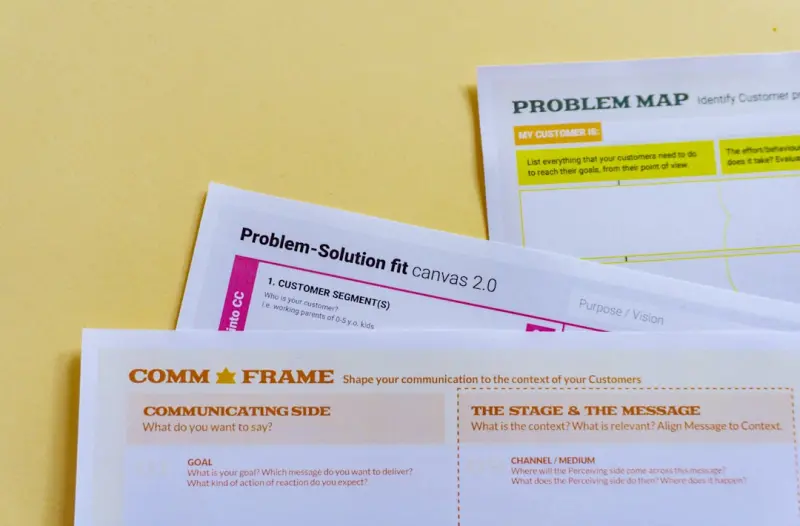
Crafting a Cohesive Storytelling Framework for Multi‑Platform Social Media Success
Discover a step‑by‑step framework to turn fragmented posts into a unified brand story that reson... Read More
Top Posts

Technical SEO Meets Human Empathy: A Modern Reset
Discover why technical SEO must shift from robot‑only focus to a human‑centric approach, blending speed, structure, and empathy for superior rankings and us...Read More

A Multimodal Playbook: Turning Ideas into Text, Audio, and Visuals
Discover a practical roadmap for combining written, audio, and visual elements into a unified content workflow that captivates audiences and streamlines creatio...Read More

Unlocking LinkedIn SEO: A Comprehensive Guide to Maximizing Your Visibility
Unlock the full potential of LinkedIn SEO and maximize your visibility on the platform. Learn how to optimize your profile, create high-quality content, and bui...Read More

Finding the Green Playroom: A Guide to Eco‑Friendly Toys That Delight and Sustain
Explore a step‑by‑step guide to selecting eco‑friendly toys that blend fun, durability, and sustainability, helping families build a greener playroom with...Read More
0 Comments
Post Comment
You will need to Login or Register to comment on this post!