

When I first stepped onto the chaotic stage of B2B SaaS social media, I quickly learned that most brands treat the platforms like a billboard—static, one‑way, and painfully out of sync with the conversation happening in the room. That approach works until the room clears out, and you’re left with a lonely sign that nobody reads. The real power of social isn’t in shouting louder; it’s in weaving your brand into the fabric of the dialogue, turning every like, comment, and share into a data‑rich thread that guides product decisions, sales outreach, and long‑term brand equity.
Why “Social Listening” Is Not a Fancy Term for “Eavesdropping”
Social listening has become a buzzword, but most teams mistake it for a simple keyword‑alert system. In practice, it’s a disciplined, cross‑functional habit that surfaces unmet customer pain points, emerging industry trends, and hidden competitor moves—right when they surface on Twitter, LinkedIn groups, Reddit threads, or niche Slack communities. The moment you treat listening as a data source rather than a vanity metric, you unlock a feedback loop that can fuel everything from product roadmap prioritization to churn mitigation.
Take the recent surge in discussions around “API‑first integrations.” While our product team was still debating the next feature set, a handful of developers in a LinkedIn community were already voicing frustration about fragmented documentation. By monitoring that conversation, we not only pre‑empted a wave of support tickets but also rolled out a developer‑centric documentation hub that became a referral magnet. The lesson? Social listening is a real‑time market research engine, not a passive sentiment gauge.
Building a “Conversation‑Centric” Content Engine
The next logical step after listening is to feed the conversation back with value‑driven content. Traditional content calendars—planned weeks in advance and based on product releases—often miss the moment when a discussion peaks. A conversation‑centric engine flips the script: you allocate a flexible content bucket each sprint, ready to jump on trending topics with a mix of quick‑fire posts, micro‑videos, or live AMAs.
One technique I swear by is the “3‑P Framework”: Pinpoint the hot thread, Personalize the response with a brand voice that feels human, and Publish in the format the audience prefers. For instance, a sudden buzz about “zero‑trust security” on Reddit sparked a series of short, data‑backed carousel posts that distilled complex concepts into bite‑size visuals. The result was a 45% lift in engagement compared with our standard blog promotion cycle.
Employee Advocacy: Turning Your Team Into a Distributed Social Force
Most SaaS companies treat their employees as internal resources, but they are also a goldmine of authentic voices. When engineers, customer success managers, or sales reps share insights, they do so with credibility that paid ads can’t buy. The trick is to empower them without turning the initiative into a forced “share‑your‑post” campaign.
Start by curating a repository of pre‑approved assets—think infographics, one‑pager PDFs, or short video snippets—and then invite employees to add their own spin. A simple internal newsletter that highlights the “Social Champion of the Month,” showcases successful employee posts, and provides a quick guide on platform etiquette can boost participation dramatically. In my own organization, we saw a 3× increase in organic reach within six months simply by giving our product designers a platform to discuss design decisions and user research findings.
Integrating Social Signals Into Your Lead Scoring Model
Lead scoring is traditionally based on website behavior—page views, form fills, demo requests. Yet, a prospect’s social activity can be a far stronger predictor of buying intent. Someone who consistently engages with your thought‑leadership posts, shares case studies, or participates in your live webinars is already demonstrating a higher level of interest.
To capture this, map social engagement events to your CRM as custom activity types: Commented on LinkedIn post, Attended Twitter Spaces, Shared a product video. Assign a weighted score—say, a comment equals 5 points, a share equals 8, a webinar attendance equals 15. When the cumulative score crosses a threshold, you can trigger a personalized outreach sequence that references the exact piece of content they interacted with. The result is a more nuanced, human‑centric sales approach that feels less “cold” and more “contextual.”
Leveraging Conversational Social Ads for Real‑Time Dialogue
While many brands still view ads as static placements, the rise of conversational social ads introduces a dynamic, two‑way channel. These ads embed chat interfaces directly within the platform, allowing prospects to ask questions, schedule demos, or download resources without ever leaving the social feed.
The key to success is designing the conversation flow like a micro‑sales funnel. Start with a low‑commitment prompt—“What’s your biggest challenge with data integration?”—then branch based on the response. Use conditional logic to surface relevant case studies, offer a live chat with an expert, or present a tailored ROI calculator. Because the interaction feels immediate and personalized, conversion rates can jump 2‑3× compared with traditional click‑through ads.
Cross‑Platform Storytelling: Maintaining Narrative Consistency Without Redundancy
Every platform has its own language: LinkedIn favors long‑form analysis, Twitter thrives on concise insights, Instagram leans on visual storytelling, and Reddit appreciates community‑first discussions. The mistake many marketers make is repurposing the exact same copy across all channels, which leads to audience fatigue and dilutes brand voice.
A better approach is to craft a “story spine”—a core narrative that can be expressed in multiple formats. For example, a case study about reducing churn can become a data‑rich carousel for Instagram, a 300‑word thought piece for LinkedIn, a thread of bite‑sized stats for Twitter, and a deep‑dive AMA on Reddit. By respecting each platform’s nuances while preserving the central message, you amplify reach without sounding repetitive.
Measuring the “Social ROI” Beyond Likes and Followers
Traditional KPIs—likes, follower count, impressions—are vanity metrics at best. To truly gauge social ROI, align your measurement framework with business outcomes:
- Pipeline Contribution: Track the number of MQLs that originated from a specific social interaction.
- Customer Advocacy Score: Survey customers who engage on social channels and ask how likely they are to recommend your product.
- Product Feedback Loop Velocity: Measure the time between a social‑derived insight and its incorporation into the product roadmap.
- Employee Advocacy Impact: Compare traffic and lead volume from employee‑shared content versus corporate posts.
By tying social activities directly to these outcomes, you can justify spend, iterate quickly, and demonstrate the strategic value of your social media function to the C‑suite.
Future‑Proofing Your Social Strategy with a Systems‑First Mindset
Finally, think of social media not as a collection of isolated tactics but as a systemic layer within your overall marketing architecture. The systems‑first content strategy model emphasizes feedback loops, modular content units, and reusable assets that can be reassembled to meet evolving audience needs. When you embed social listening, employee advocacy, conversational ads, and cross‑platform storytelling into a unified system, you create a resilient engine that continues to spin even as platforms rise and fall.
In practice, this means establishing a central repository for all social assets, integrating listening tools with your product analytics stack, and automating the handoff of qualified leads to CRM. It also means regularly auditing your processes—are you still chasing trends, or are you nurturing a sustainable conversation ecosystem?
Social media is no longer a side‑project; it’s a strategic conduit that can surface market intelligence, accelerate sales, and turn employees into brand ambassadors. By adopting a conversation‑centric, systems‑first approach, you’ll not only stay ahead of the algorithmic waves but also build a genuine, long‑lasting relationship with the very people who matter most—your customers and prospects.

Related Posts

Mastering Niche Pods: A Data‑Driven Blueprint for Social Media Success
Learn to create hyper‑targeted social media pods, leverage predictive scheduling, and turn convers... Read More
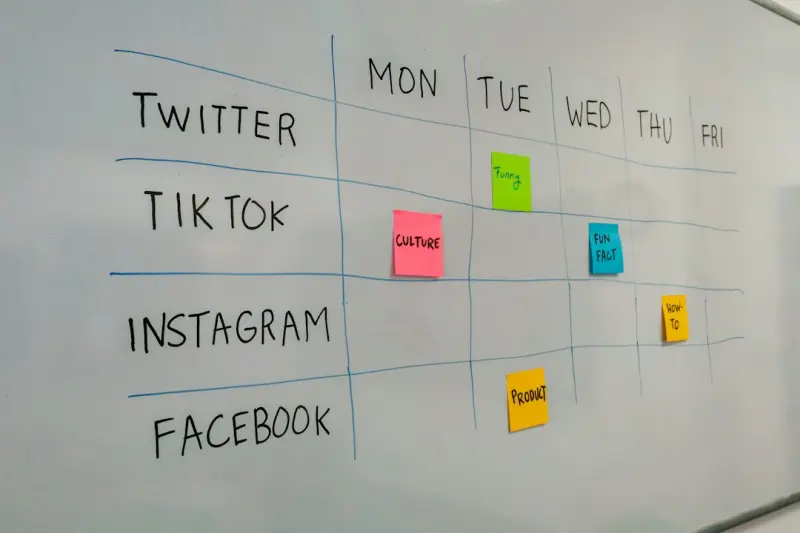
A Customer‑Journey‑Centric Playbook for Social Media Success
Learn how to map social content to awareness, consideration, decision, and advocacy stages, leveragi... Read More
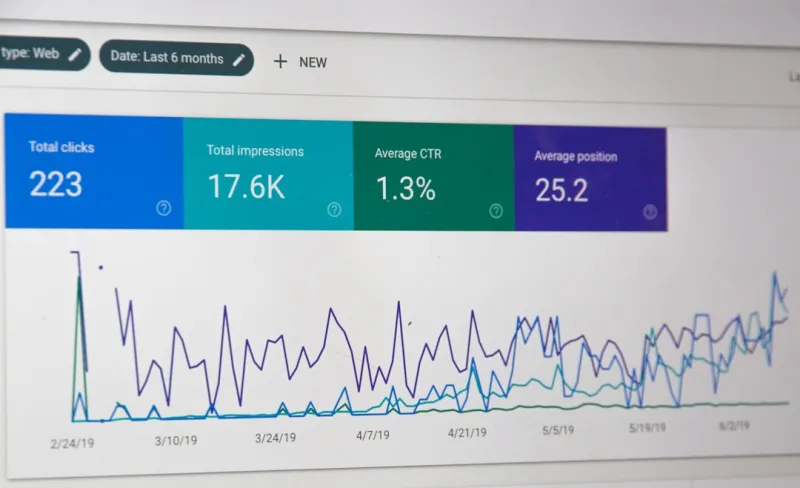
Revolutionizing Social Media Strategy: How SEO and Content Marketing Converge
A well-planned social media strategy paired with a robust SEO approach and high-quality content mark... Read More
Top Posts

Unlocking Hidden SEO Power on LinkedIn: Recommendations, Articles, and Groups
Learn to turn LinkedIn recommendations, articles, and group activity into powerful SEO assets that elevate your profile and drive organic traffic....Read More

Customer Success Stories: An Untapped SEO Engine
Learn how to transform authentic customer success stories into powerful SEO assets, leveraging keyword clusters, structured data, and multi‑channel repurposin...Read More

Social Media Advertising in 2024: David Moore’s Insider Playbook
David Moore shares a 2024 playbook for social media advertising, covering short‑form video, data‑driven targeting, creative authenticity, SEO integration, a...Read More
Turning WordPress Site Health into SEO Supercharge
A deep dive into WordPress site health reveals performance, security, and code hygiene as powerful SEO signals—plus a practical checklist to turn your site in...Read More
0 Comments
Post Comment
You will need to Login or Register to comment on this post!