
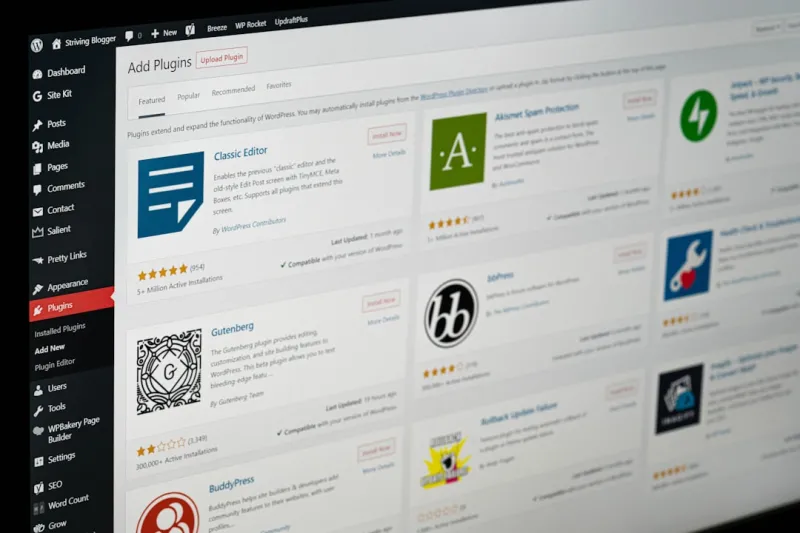
Unlocking the Power of WordPress SEO: A Comprehensive Guide
As a seasoned expert in the world of WordPress SEO, I've seen firsthand the impact that a well-optimized website can have on a business's online presence. With millions of websites vying for attention on the internet, it's more important than ever to ensure that your WordPress site is standing out from the crowd. In this article, we'll dive into the world of WordPress SEO, exploring the latest trends, strategies, and best practices for optimizing your website and driving more traffic to your door.
The Evolution of SEO: Staying Ahead of the Curve
The world of SEO is constantly evolving, with Google's algorithm updates and changing user behaviors forcing businesses to adapt and innovate. As I discussed in my previous article, The Impact of Google's Algorithm Updates on Content Marketing, staying ahead of the curve requires a deep understanding of the latest trends and best practices. For WordPress users, this means staying up-to-date on the latest plugin updates, theme optimization techniques, and content strategies.
Optimizing Your WordPress Site for Search Engines
So, where do you start when it comes to optimizing your WordPress site for search engines? First and foremost, it's essential to choose a reputable SEO plugin, such as Yoast SEO or All in One SEO Pack. These plugins provide a range of tools and features to help you optimize your website, from meta tags and titles to XML sitemaps and social media integration. Additionally, make sure to optimize your website's images, using descriptive alt tags and file names that include target keywords.
The Importance of Content in WordPress SEO
When it comes to WordPress SEO, content is king. High-quality, engaging, and informative content is essential for driving traffic to your website and establishing your brand as an authority in your industry. This means creating content that is optimized for both users and search engines, using techniques such as keyword research, internal linking, and content marketing. As I discussed in my article, The Evolution of Content Marketing: How to Stay Ahead in a Changing Landscape, the key to success lies in creating content that resonates with your target audience.
Technical SEO: The Foundation of a Well-Optimized Website
While content is a critical component of WordPress SEO, technical SEO is equally important. This includes optimizing your website's loading speed, ensuring mobile-friendliness, and using secure protocols (HTTPS). Additionally, make sure to regularly update your WordPress core, themes, and plugins to prevent security vulnerabilities and ensure optimal performance. For more information on technical SEO, check out my article on The Evolution of Technical SEO: A Comprehensive Guide to Optimizing Your Website.
Local SEO: Dominating Your Neighborhood
For businesses with a physical presence, local SEO is a critical component of WordPress SEO. This includes optimizing your website for location-based keywords, creating content that targets specific geographic regions, and building high-quality local citations. By dominating your neighborhood, you can drive more foot traffic to your business and establish your brand as a local authority. For more information on local SEO, check out my article on Hyper-Local Domination: How to Crush Your Competition with Local SEO.
The Future of WordPress SEO: Trends to Watch
As we look to the future of WordPress SEO, there are several trends that are expected to shape the industry. These include the rise of voice search, the increasing importance of mobile-friendliness, and the growing need for high-quality, engaging content. By staying ahead of these trends and adapting your WordPress SEO strategy accordingly, you can ensure that your website remains competitive and continues to drive traffic and conversions.
Conclusion
In conclusion, WordPress SEO is a complex and ever-evolving field that requires a deep understanding of the latest trends, strategies, and best practices. By optimizing your website for search engines, creating high-quality content, and staying ahead of the curve, you can drive more traffic to your website and establish your brand as an authority in your industry. Whether you're a seasoned WordPress user or just starting out, I hope that this article has provided you with the insights and knowledge you need to take your WordPress SEO to the next level.
Final Tips and Best Practices
To summarize, here are some final tips and best practices for optimizing your WordPress website for search engines:
- Choose a reputable SEO plugin, such as Yoast SEO or All in One SEO Pack
- Optimize your website's images, using descriptive alt tags and file names that include target keywords
- Create high-quality, engaging, and informative content that is optimized for both users and search engines
- Regularly update your WordPress core, themes, and plugins to prevent security vulnerabilities and ensure optimal performance
- Stay ahead of the latest trends and best practices in WordPress SEO, including the rise of voice search and the increasing importance of mobile-friendliness
By following these tips and best practices, you can ensure that your WordPress website is optimized for search engines and continues to drive traffic and conversions.

Related Posts

Future‑Proof Your WordPress SEO with Structured Data, Core Web Vitals, and AI
A step‑by‑step guide shows WordPress owners how to implement schema markup, optimize Core Web Vi... Read More

Gutenberg Meets Google: Unleashing WordPress SEO on Steroids
Learn how to transform Gutenberg blocks into powerful SEO assets—covering schema markup, smart int... Read More

Unlocking WordPress SEO: How Gutenberg Blocks Can Supercharge Your Rankings
Learn to harness Gutenberg’s block system for SEO success, from schema markup to interactive tools... Read More
Top Posts

Micro‑Community Mastery: AI‑Powered Social Ads That Talk, Convert, and Scale
Learn a fresh, data‑first approach to social media advertising that focuses on hyper‑targeted micro‑communities, AI‑generated creative, and conversation...Read More

Mastering Niche Pods: A Data‑Driven Blueprint for Social Media Success
Learn to create hyper‑targeted social media pods, leverage predictive scheduling, and turn conversations into measurable growth—all without losing authentic...Read More

Revolutionizing Link Building: Strategies for Success in a Changing Landscape
Link building requires a strategic and nuanced approach. Learn how to prioritize quality, leverage content-driven link building, and adapt to the evolution of S...Read More

Interactive Experiences: The Unseen Engine Driving B2B Content Success
Interactive content is reshaping B2B marketing. This post explains why hands‑on experiences drive higher conversions, outlines formats for each buyer stage, a...Read More
0 Comments
Post Comment
You will need to Login or Register to comment on this post!