

Why Gutenberg Is Your Secret SEO Weapon
When I first migrated a legacy blog to WordPress, I thought the biggest hurdle would be keyword research. What I quickly discovered was that the real power lies in the way Gutenberg structures content on the page. Each block becomes a semantic unit that search engines can parse more intelligently, turning a flat post into a layered experience. By deliberately choosing heading, paragraph, and media blocks, you create a hierarchy that mirrors the intent of the query, making it easier for Google to surface the most relevant sections of your article.
Designing SEO‑Friendly Layouts With Columns
Columns are often dismissed as mere design flair, but they can be leveraged to keep users engaged while signaling topic relevance to crawlers. When you place a list of related products in a left‑hand column and a deep‑dive article in the main column, you guide both the reader’s eye and the search engine’s focus toward the primary content. The key is to keep each column’s purpose crystal clear, using descriptive block titles and avoiding duplicate headings that could confuse the algorithm.
Embedding Interactive Tools Without Sacrificing Speed
One of my favorite tricks is to embed a quiz or calculator that encourages dwell time, yet I never let it bog down page load. Modern WordPress plugins now let you lazy‑load interactive elements, ensuring the core content renders instantly. By pairing these tools with strategic internal links—like Turning Interactive Tools Into Powerful Link Building Engines—you not only boost user engagement but also earn valuable backlinks from sites that love sharing useful widgets.
Schema Markup Through Block Patterns
Schema used to require hand‑coding JSON‑LD snippets, a daunting task for most content creators. Gutenberg’s reusable block patterns now let you insert pre‑configured schema blocks for articles, FAQs, and product reviews with a single click. This visual approach reduces errors and ensures consistency across the site, signaling to search engines that your content meets structured‑data standards without the need for a developer’s intervention.
Optimizing Images With Native WordPress Features
Images are essential for storytelling, yet they’re also a common SEO blind spot. WordPress now generates WebP versions automatically, but you must still add descriptive alt text and concise captions that reinforce your target keywords. By using the “Image” block’s built‑in caption field, you create a secondary text source that Google can index, while the lazy‑load option guarantees that heavy visuals don’t throttle your page speed.
Leveraging the Site Editor for Global SEO Settings
The new Site Editor gives you control over header, footer, and template parts—all without touching code. This means you can embed a site‑wide breadcrumb trail, a consistent navigation menu, and a meta description template that pulls in the post title and excerpt automatically. Consistency at the template level translates to a cleaner crawl budget usage, as Google can more easily understand the relationship between your pages.
Content Refresh Strategies Using Block Revisions
WordPress stores every block revision, allowing you to compare past and present versions of a post. Use this feature to schedule systematic content updates, swapping outdated statistics for fresh data while preserving the original SEO signals. Pair this with a brief note at the top of the article—“Updated for 2024 data”—which not only informs readers but also signals relevance to search engines, potentially earning a fresh ranking boost.
Measuring Success With Integrated Analytics
Finally, the real proof of any SEO effort is performance data. Gutenberg’s block‑level analytics integrations let you see which sections drive clicks, scroll depth, and conversions. By aligning these insights with your overall keyword strategy, you can fine‑tune block placement, adjust call‑to‑action positioning, and continuously improve your WordPress site’s visibility. Remember, SEO is a marathon, not a sprint, and the granular data from block analytics is your most reliable compass.

Related Posts
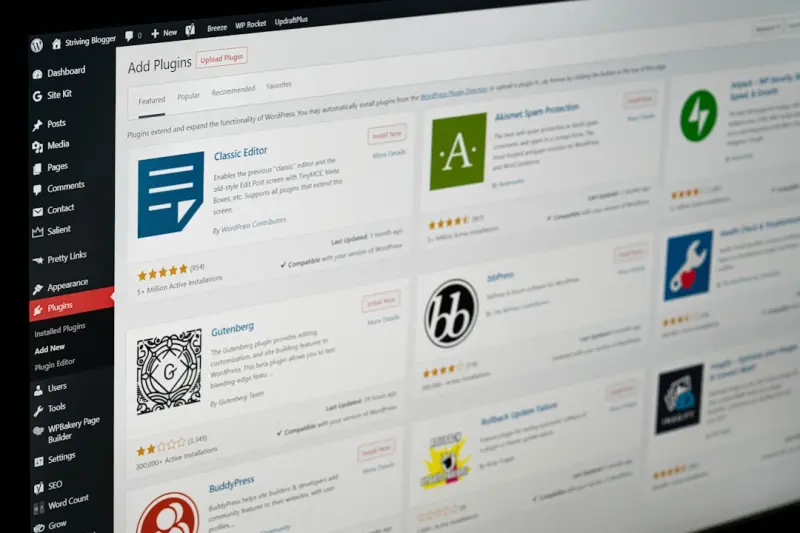
Future‑Proofing WordPress SEO: Strategies That Endure
Discover how to embed SEO into the core of your WordPress site with structured data, performance hac... Read More

Turn Your WordPress Site Into a Voice‑Search Powerhouse
Voice assistants are reshaping how users find information online. This guide shows WordPress owners ... Read More
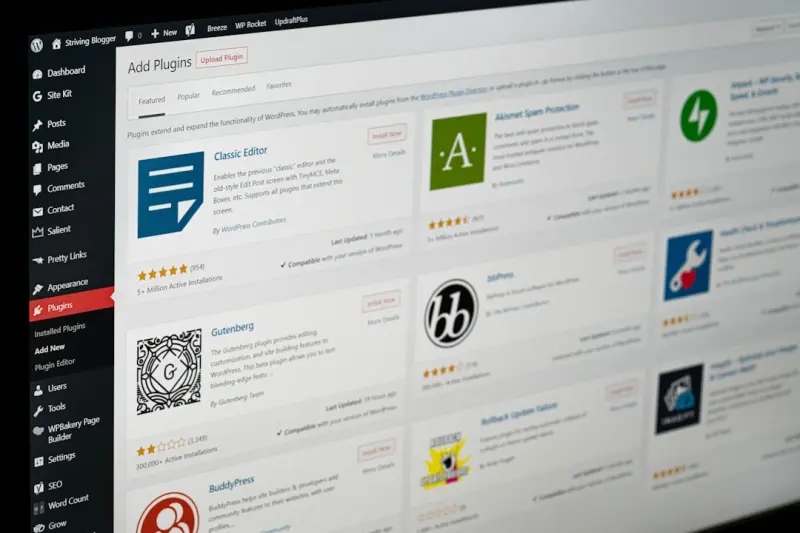
Boost WordPress Rankings with a User‑Experience‑First SEO Strategy
Discover a fresh SEO approach for WordPress that puts user experience, speed, and accessibility at t... Read More
Top Posts

Technical SEO Trends 2024: Jessica Gills’ Insider Playbook
Jessica Gills shares her 2024 technical SEO playbook, covering speed, schema, AI tools, and future‑proof strategies to dominate search rankings....Read More

SEO for SaaS Knowledge Bases: A Tactical Playbook
Discover a fresh, tactical approach to optimizing SaaS knowledge bases for search engines—covering intent mapping, advanced schema, mobile‑first design, and...Read More

How SaaS Companies Can Conquer Mobile Search with Deep Linking and App Indexing
This guide reveals a step‑by‑step approach for SaaS businesses to dominate mobile search, covering app indexing, deep linking, structured data, performance ...Read More

Community‑First Content Ecosystems: Turning Customers into Co‑Creators
Explore a fresh content strategy where customers become co‑creators, leveraging AI, modular design, and community platforms to drive deeper engagement and mea...Read More
0 Comments
Post Comment
You will need to Login or Register to comment on this post!