

Why Traditional Plugin‑Centric SEO Is No Longer Enough
Most WordPress owners still lean on a handful of SEO plugins, assuming that a single click will solve every ranking problem, but the reality is that search engines reward sites that demonstrate structural clarity, contextual relevance, and lightning‑fast performance—all of which require deeper integration than a generic plugin can provide. When you embed SEO directly into the theme’s architecture, you gain control over markup, data flow, and loading behavior at a granular level, allowing you to fine‑tune each page for both crawlers and real users. This shift from surface‑level tweaks to foundational design thinking also future‑proofs your site against algorithm updates that increasingly prioritize intent, core web vitals, and semantic richness. In short, treating SEO as a core development discipline, not an afterthought, unlocks a competitive edge that most plugin‑only strategies simply cannot achieve.
Leveraging Gutenberg Blocks for Semantic Richness
The Gutenberg editor has evolved into a full‑blown content framework, and savvy developers can now turn its reusable blocks into powerful vehicles for schema markup, ensuring that each piece of content speaks the language of modern search engines. By creating a custom “FAQ” block that automatically injects application/ld+json structured data, you eliminate manual tagging errors while delivering clear, crawlable answers that Google loves to feature in rich snippets. Moreover, because blocks are stored as JSON in the post content, the markup remains lightweight and can be conditionally rendered only when the block appears, preserving page speed and reducing bloat. This approach transforms the editor from a mere visual tool into a dynamic SEO engine, bridging the gap between creative flexibility and technical precision.
Reusable Blocks as a Consistent Meta‑Tagging Engine
One of the most overlooked opportunities in WordPress SEO is the ability to standardize meta tags across thousands of pages using reusable blocks paired with a simple filter hook. Imagine building a “Meta Hub” block that contains your brand’s default title format, meta description template, and Open Graph tags, then inserting it into every post or page template; a single update to that block instantly propagates site‑wide, guaranteeing consistency and eliminating the risk of orphaned or missing metadata. By coupling this with the wp_head action, you can programmatically replace placeholder tokens with post‑specific variables, delivering personalized, SEO‑optimized titles and descriptions without touching each article individually. This method not only saves time but also reinforces a cohesive brand signal to search engines, boosting your overall authority.
Dynamic Sitemaps via the WordPress REST API
While static XML sitemaps are a staple of SEO, they can quickly become outdated on fast‑growing sites, leading to crawl inefficiencies and missed indexing opportunities. Harnessing the WordPress REST API to generate a live sitemap on the fly ensures that every new post, custom post type, and taxonomy entry is immediately discoverable, giving search bots the freshest view of your site structure. By exposing a lightweight endpoint—e.g., /wp-json/wp/v2/sitemap—and configuring a server‑side cache that refreshes only when content changes, you achieve a perfect balance between real‑time accuracy and performance. This API‑driven approach also opens the door for headless implementations, where external platforms can pull your sitemap data and integrate it into broader digital strategies, further amplifying your SEO footprint.
Server‑Side Rendering for Core Web Vitals Excellence
Core Web Vitals have become a decisive ranking factor, and the quickest path to stellar scores lies in server‑side rendering (SSR) of critical content, especially for WordPress sites that rely heavily on JavaScript‑laden themes. By configuring your theme to pre‑render above‑the‑fold markup on the server, you drastically reduce First Contentful Paint (FCP) and Largest Contentful Paint (LCP), while also providing a fully accessible HTML snapshot for crawlers that struggle with client‑side rendering. Implementing SSR can be as straightforward as enabling the built‑in WP_Theme_JSON_Resolver to inline essential CSS and defer non‑essential scripts, or as advanced as integrating a Node.js layer that fetches WordPress content via the REST API and streams it to the browser. Either route ensures that users and bots receive a fast, stable experience, directly translating into higher rankings.
AI‑Assisted Content Optimization Through Hook‑Based Workflows
Artificial intelligence is no longer a buzzword; it’s a practical tool that can be woven into WordPress’s hook system to automatically suggest keyword density improvements, internal linking opportunities, and readability enhancements as editors work. By hooking into save_post and calling an external AI service, you can generate a concise SEO brief that appears in the Gutenberg sidebar, highlighting missing H2 tags, recommending synonyms, and even proposing schema types based on the article’s theme. This real‑time feedback loop not only raises the overall quality of content but also aligns it with the latest search intent trends without requiring a separate manual audit. For teams that publish at scale, such AI‑driven assistance becomes a silent productivity multiplier, ensuring each piece of content is primed for optimal visibility.
Automated Image Optimization with WebP and Lazy Loading
Images account for a substantial portion of a page’s load time, and neglecting their optimization can sabotage even the most technically sound SEO setup. WordPress now offers native support for WebP conversion and lazy loading, but taking it a step further by automating these processes at upload via a custom function guarantees consistency across the entire media library. By hooking into add_attachment, you can trigger a server‑side conversion to WebP, generate multiple size variants, and inject the loading="lazy" attribute automatically, all while updating the srcset for responsive delivery. This pipeline not only shrinks file sizes dramatically—often by 30‑50%—but also improves LCP scores, which directly influences ranking potential under Google’s performance‑centric algorithms.
Real‑Time SEO Monitoring with Query‑Level Insights
Understanding how search engines interact with your site in real time is essential for iterative optimization, and WordPress gives you the tools to monitor query performance without relying on external services alone. By enabling the WP_Query debug mode and logging slow queries to a custom table, you can identify bottlenecks in taxonomy archives, custom post type loops, and even plugin‑generated queries that may be inflating crawl budget usage. Coupling this data with a lightweight dashboard—perhaps built with the new Block Editor widgets—lets you visualize which pages are experiencing high load times or excessive database hits, empowering you to refactor templates or add transient caching where it matters most. This proactive, data‑driven maintenance habit keeps your site lean, crawl‑efficient, and ultimately more attractive to search engines.
Putting It All Together: A Blueprint for Sustainable WordPress SEO
When you combine Gutenberg‑driven schema, REST‑API sitemaps, server‑side rendering, AI‑enhanced editing, and automated media optimization, you create a holistic SEO ecosystem that operates with minimal manual intervention while delivering consistently high performance. This integrated strategy not only addresses the immediate ranking factors—relevance, speed, and structure—but also builds a resilient foundation that can adapt to future algorithm shifts, much like the concepts explored in data‑driven SEO tactics and intent‑driven on‑page SEO strategies. By treating SEO as a core development practice rather than an afterthought, you empower your WordPress site to climb the SERPs organically, attract engaged visitors, and sustain authority over the long haul.

Related Posts

Boost Your WordPress SEO with Empathy‑First Tactics
Learn why empathy‑first SEO is the secret weapon for WordPress sites, covering mobile, technical f... Read More
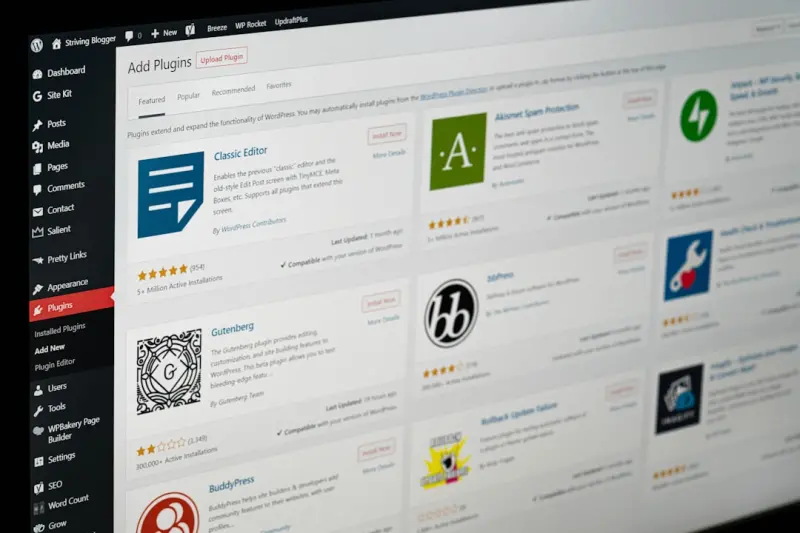
Supercharging WordPress SEO with Core Web Vitals and Edge Delivery
Performance has become the most valuable keyword in WordPress SEO. This post explores how Core Web V... Read More
Core Web Vitals: The Secret Sauce for WordPress SEO Success
Core Web Vitals have become essential ranking signals for WordPress sites. This guide walks you thro... Read More
Top Posts

AI‑Powered Link Building: Turning Data Into High‑Quality Backlinks
Learn how to combine AI‑driven intent analysis, proprietary data assets, and micro‑influencer collaborations into a repeatable link‑building engine that d...Read More

The Rise of Voice‑First Content Strategies for SaaS
Voice assistants are reshaping the SaaS buying journey. Learn why voice‑first content matters, how to create voice‑ready assets, leverage partner ecosystems...Read More
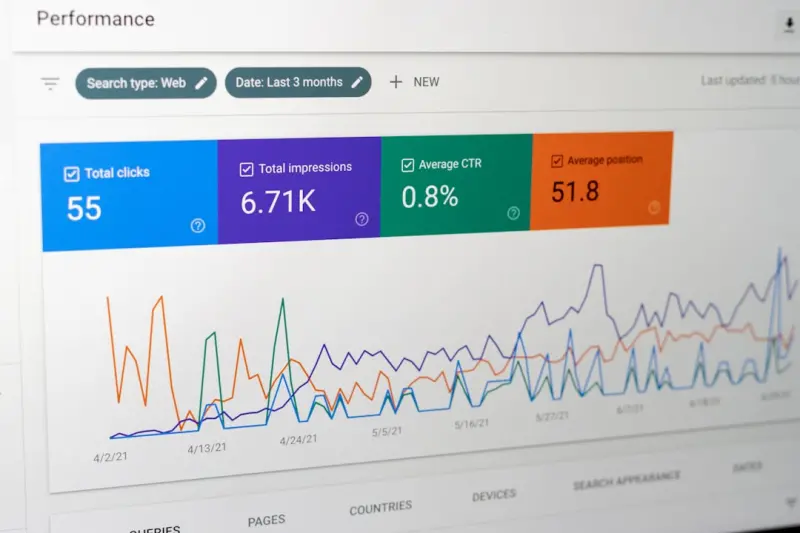
Crawl Budget Mastery: The SaaS SEO Hygiene Routine You Can’t Ignore
A practical guide for SaaS marketers on managing crawl budget, streamlining site architecture, and turning SEO hygiene into a conversion engine....Read More

Why Empathy‑First Tactics Are the New Engine Behind WordPress SEO
Explore how empathy‑first tactics reshape WordPress SEO, turning human insight into higher rankings, better engagement, and sustainable growth....Read More
0 Comments
Post Comment
You will need to Login or Register to comment on this post!