
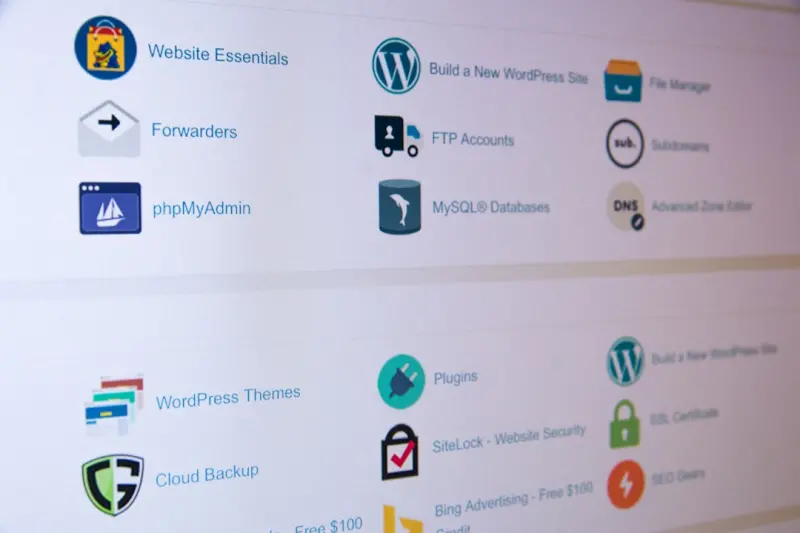
Why WordPress Still Needs a SEO Overhaul (Even If It’s “All‑In‑One”)
When I first built a WordPress site for a boutique SaaS startup, I thought the built‑in SEO plugins would be enough. Fast forward a few months of stagnant traffic, and I realized the platform’s convenience was also its biggest blind spot. The reality is that WordPress powers over 40% of the web, yet most users treat it like a static blog rather than a dynamic growth engine. In this post I’ll peel back the layers of WordPress and show you how to weaponize three under‑utilized levers: custom hooks, headless architecture, and automation via the REST API. The goal? Not just better rankings, but a self‑sustaining content machine that runs on data, not guesswork.
1. Custom Hooks: Your Secret SEO Lab
WordPress is famous for its hooks—actions and filters that let you inject code without hacking core files. Most marketers never look past the SEO plugins, but those plugins themselves are just collections of hooks. By creating your own, you gain granular control over everything from meta tags to image alt attributes.
- Dynamic meta generation. Instead of static titles, hook into
wp_headand pull data from custom post types, taxonomies, or even an external CRM. A single function can assemble a title like “{Product Name} – {Industry} Solutions | {Brand}” based on real‑time inventory. - Conditional schema markup. Use the
json_ld_outputfilter (or roll your own) to output structured data only when the content meets Google’s guidelines. For example, only addFAQPageschema if you have at least three<h3>questions on the page. - Image optimization on upload. Hook into
add_attachmentto automatically generate WebP versions, setsrcsetattributes, and add descriptivealttext based on the media library title.
These tiny code snippets become a “SEO lab” you can iterate on without waiting for a developer sprint. And because they live in your theme’s functions.php (or a small must‑use plugin), they survive theme updates.
2. Going Headless: Decoupling the Front‑End for Speed & Flexibility
“Headless WordPress” sounds like a buzzword, but in practice it’s a practical answer to two of Google’s biggest ranking signals: core web vitals and mobile‑first indexing. By serving content via the REST API to a JavaScript framework (Next.js, Nuxt, or even a static site generator like Hugo), you gain:
- Lightning‑fast First Contentful Paint (FCP). The static assets are pre‑bundled, and the HTML payload contains only the essential markup.
- Zero‑bloat theme code. No more legacy PHP that drags down performance; you keep WordPress purely as a content repository.
- Granular caching. API responses can be cached at the edge (CDN) for seconds, while the front‑end can re‑validate stale data in the background.
Implementing a headless stack doesn’t mean you abandon the WordPress admin UI. You still get the familiar editor (Gutenberg or Classic), media manager, and user roles. What changes is how the content is rendered for visitors.
Here’s a quick starter flow:
- Enable the
WP-REST-API(built into WordPress 4.7+). - Build a
/pagesendpoint that returns SEO‑ready JSON: title, meta description, canonical URL, and Open Graph tags. - In your front‑end framework, map those fields to
<head>elements using server‑side rendering (SSR) for SEO friendliness. - Leverage multimodal AI SEO tools to generate concise, schema‑rich snippets that feed directly into the API response.
The result is a site that scores in the green zone of Core Web Vitals out of the box, and you retain WordPress’s editorial power.
3. Automation via the REST API: Turning Content Creation into a Production Line
Imagine you have a product catalog that updates nightly. Manually entering each new SKU into WordPress is a nightmare. The REST API lets you push data programmatically, and you can couple that with webhook‑driven SEO tasks.
- Auto‑publish new blog posts. When your marketing automation platform flags a new whitepaper, fire a webhook that creates a draft post, fills in the meta fields, and assigns it to the appropriate author.
- Dynamic internal linking. After a post is published, run a script that scans for keyword matches across existing content and inserts
<a>tags withrel="noopener"attributes. This boosts link equity without manual effort. - Real‑time SEO health checks. Use the API to pull each page’s
meta_robotssetting,canonicaltag, andschemapresence, then push any discrepancies into a monitoring dashboard (think Datadog or Grafana).
All of this can be orchestrated from a lightweight Node.js or Python service that runs on a schedule or responds to events. The key is to treat SEO as a data pipeline, not a one‑off checklist.
4. Structured Data: Going Beyond Basic Schema
Most WordPress SEO plugins insert Article or BlogPosting schema automatically. While useful, they miss out on richer types that can dominate SERPs:
- Product schema with pricing and availability. Hook into the
wp_headaction to embed JSON‑LD that pulls price, SKU, and stock status from a WooCommerce or custom table. - How‑to and FAQ schema. Use a custom Gutenberg block that outputs the required
@typestructures, then filter the block’s output to addpositionfields for step sequencing. - Event schema for webinars. If your SaaS runs monthly webinars, push event data via the API and let a scheduled cron job generate
Eventmarkup, complete withoffersandperformerdetails.
Google rewards this depth with rich results that increase click‑through rates dramatically. And because the markup lives in the JSON‑LD block, it’s immune to theme changes.
5. Core Web Vitals: The Performance Backbone of SEO
Even the best meta data can’t save a site that takes 6 seconds to load. WordPress’s default themes are often bloated with unused CSS, large images, and legacy scripts. Here’s a performance checklist tailored for SEO‑focused sites:
- Serve images in next‑gen formats. Convert JPEG/PNG to WebP on upload using the
wp_generate_attachment_metadatafilter. - Implement lazy loading. WordPress 5.5 added native lazy loading, but you can improve it by adding
loading="lazy"to background images via a content filter. - Eliminate render‑blocking resources. Use
wp_enqueue_scriptwith theasyncordeferattributes for non‑critical JavaScript. - Leverage HTTP/2 server push. If your host supports it, push critical CSS (e.g., the above‑the‑fold styles) directly from the server.
- Cache API responses. Store REST API payloads in Redis or Varnish, setting a short TTL (e.g., 300 seconds) to keep data fresh but reduce DB load.
Combine these tweaks with a headless front‑end, and you’ll consistently hit the 90+ score for LCP, FID, and CLS—metrics that Google has confirmed as direct ranking signals.
6. Content Silos in WordPress: Structuring for Semantic Authority
Semantic silos help search engines understand topical relevance. In WordPress you can build silos using custom taxonomies and hierarchical page structures:
- Define a “topic” taxonomy. Assign each post a primary topic (e.g., “API Integration”, “Security”) and a secondary sub‑topic. This creates natural clusters of related content.
- Use parent‑child pages. Create a landing page for each main topic that links to sub‑topic pages, reinforcing internal linking depth.
- Automate pillar‑cluster linking. A scheduled script scans new posts, detects the primary taxonomy, and injects a link back to the pillar page if it’s missing.
When combined with the automated internal linking from the previous section, you get a living knowledge graph that search engines love—without the overhead of a separate knowledge‑graph platform.
7. Measuring Success: SEO Metrics That Matter for WordPress
It’s tempting to watch rankings alone, but real growth comes from a balanced KPI set:
| Metric | Why It Matters |
|---|---|
| Organic Sessions | Shows traffic volume from search. |
| CTR from SERP | Indicates how compelling your meta data is. |
| Average Position | Tracks rank movement across all keywords. |
| Core Web Vitals (LCP, FID, CLS) | Direct ranking factors. |
| Schema Rich Result Impressions | Measures visibility boost from structured data. |
| Internal Link Equity Distribution | Ensures authority flows to strategic pages. |
Set up a mobile SEO dashboard that pulls these signals via Google Search Console API and overlays them with your custom WordPress analytics for a unified view.
8. The Human Element: Keeping Editors in the Loop
Automation is powerful, but the content creator still reigns. Here’s how to make sure your editorial team benefits rather than battles the system:
- Show real‑time SEO scores. Use a Gutenberg sidebar plugin that reads meta fields and displays a “SEO health meter” based on schema completeness, keyword density, and readability.
- Provide actionable suggestions. When an editor saves a draft, run a server‑side script that flags missing alt text, duplicate titles, or absent canonical tags, then surfaces a toast notification.
- Encourage “SEO sprints”. Treat every new content batch as a sprint with defined SEO goals (e.g., “Add FAQ schema to 10 posts”). This aligns the technical team with the marketing calendar.
When editors see immediate feedback, they become partners in the optimization process, and the whole pipeline runs smoother.
Conclusion: From Patchwork Plugins to a Cohesive SEO Engine
WordPress is a fantastic publishing platform, but its default SEO setup is a patchwork of plugins that rarely talk to each other. By taking control of three core levers—custom hooks, headless delivery, and API‑driven automation—you turn a static blog into a dynamic growth engine.
Start small: write a hook that injects dynamic meta titles, then gradually migrate a single high‑traffic section to a headless front‑end, and finally automate internal linking across the entire site. The payoff is measurable: faster pages, richer SERP features, and a content workflow that scales with your product roadmap.
If you’ve been treating WordPress SEO as a checklist, it’s time to treat it as a system. The tools are already in the platform; you just need the mindset to assemble them into a coherent, data‑first strategy.

Related Posts
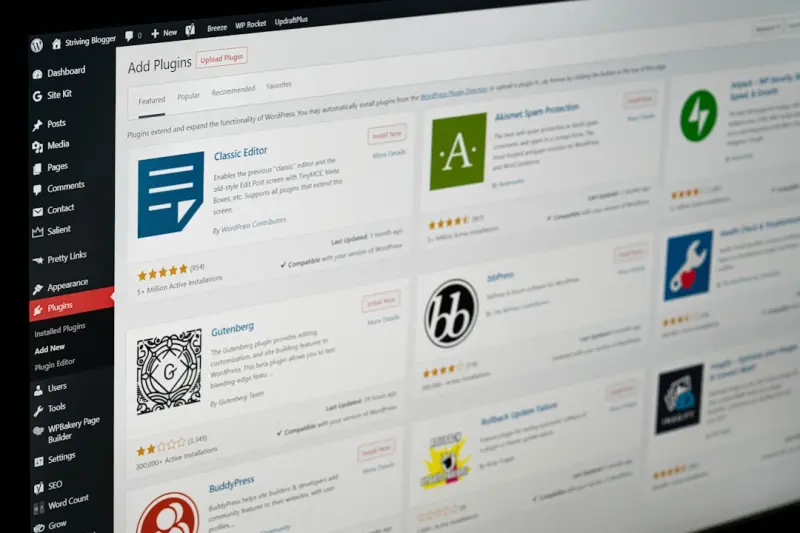
Future‑Proofing WordPress SEO: Strategies That Endure
Discover how to embed SEO into the core of your WordPress site with structured data, performance hac... Read More
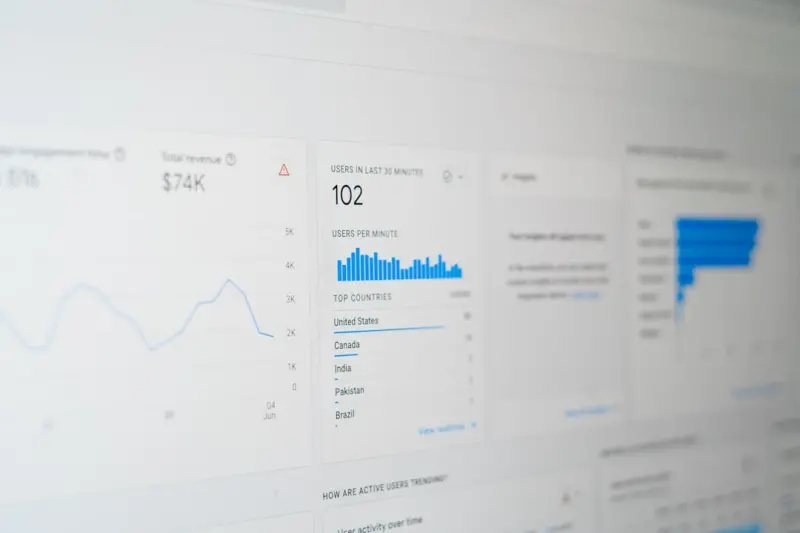
WordPress SEO: Building a Content‑First Architecture That Outranks the Rest
WordPress SEO isn’t just about plugins; it’s about a content‑first architecture, Gutenberg blo... Read More
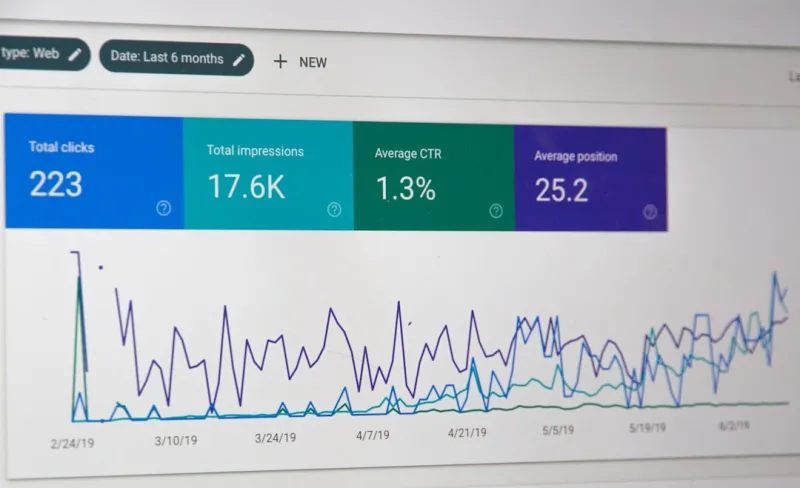
Optimizing WordPress for SEO Success in 2024
Learn how to optimize your WordPress site for SEO success in 2024 with expert strategies on technica... Read More
Top Posts

Maximizing WordPress SEO: Strategies for Success
Learn how to maximize WordPress SEO with expert strategies and best practices, driving more traffic, engagement, and conversions....Read More

Mapping the Narrative Loop: A Fresh Framework for B2B Content Strategy
Learn how a story‑map turns fragmented B2B content into a cohesive narrative loop, boosting cross‑team collaboration, personalization, and pipeline impact....Read More

The Power of Intent‑Driven Internal Linking for SaaS On‑Page SEO
Learn how to map user journeys, prioritize high‑value pages, craft intent‑focused anchor text, and use tools to scale internal linking, driving stronger onâ...Read More

The Evolution of Technical SEO: Strategies for Success in 2024
Technical SEO is a critical component of a comprehensive SEO strategy. Learn how to optimize your website's technical aspects to improve search engine rankings ...Read More
0 Comments
Post Comment
You will need to Login or Register to comment on this post!