
Why WordPress Still Rules the SEO Game in 2024
When I first migrated my boutique consulting site to WordPress five years ago, I was skeptical about its “plug‑and‑play” reputation. Today, after countless audits, client wins, and late‑night debugging sessions, I can confidently say that WordPress remains the most adaptable platform for human‑centric SEO. Its open‑source nature lets us tailor every meta tag, schema block, and loading strategy without fighting proprietary lock‑ins, and the ecosystem of plugins evolves faster than Google’s algorithm updates. That flexibility is why I keep recommending WordPress to every brand that wants to grow sustainably while staying true to its voice.
Core Technical Foundations You Can’t Ignore
Before you even think about fancy schema or link‑building, make sure your site’s technical bedrock is solid. A clean permalink structure, proper HTTPS implementation, and a fast, responsive theme are non‑negotiable. I often start with a Technical SEO in 2024: Human‑Centric Strategies That Scale checklist to verify crawl budget efficiency, canonical consistency, and core web vitals compliance. Remember, Google’s bots love a site that loads under two seconds and offers a logical hierarchy—anything less risks being buried beneath the competition.
Choosing the Right SEO Plugins Without Overloading
WordPress plugins are a double‑edged sword; they can boost visibility or cripple performance. I lean toward lightweight solutions that focus on schema, XML sitemaps, and automated title/tag generation, while avoiding bloated all‑in‑one suites. For instance, pairing a dedicated schema plugin with a minimal caching tool gives you the precision of structured data without the latency penalties of heavy feature packs. The key is to audit each plugin’s impact on page speed and to disable any that duplicate functionality.
Content Architecture That Serves Readers and Search Engines
Every piece of content on a WordPress site should fit into a clear, siloed hierarchy that reflects both user intent and keyword clusters. I use custom post types for case studies, webinars, and resource libraries, ensuring each type inherits its own SEO template. By linking related posts within the same silo, you create internal pathways that pass authority efficiently and keep visitors engaged longer. This approach mirrors the insights I gathered from Jimmy Anand’s 2024 WordPress SEO Playbook, where strategic content grouping drove a 45% uplift in organic traffic for his clients.
Optimizing Images and Media for Faster Load Times
Visuals are essential for storytelling, but they can sabotage page speed if not optimized properly. I always convert images to next‑gen formats like WebP, implement lazy loading, and serve scaled‑down versions based on device breakpoints. WordPress’s native srcset attribute does a lot of the heavy lifting, but pairing it with a smart compression plugin guarantees that even high‑resolution hero banners stay under 150 KB. The result is a smoother user experience that signals to Google that your site respects visitor time.
Leveraging Structured Data to Stand Out in SERPs
Schema markup is the secret sauce that transforms ordinary listings into rich results, and WordPress makes implementation surprisingly straightforward. By adding JSON‑LD snippets through a dedicated schema plugin, you can highlight FAQs, product reviews, and event details directly in search results. I’ve seen click‑through rates jump by double digits when I pair a well‑crafted FAQ schema with a concise, question‑oriented title tag. Just remember to validate your markup with Google’s Rich Results Test before pushing it live.
Building Authoritativeness Through Internal Linking
Internal linking is often overlooked, yet it’s one of the most powerful levers for distributing link equity across your site. I adopt a “hub‑and‑spoke” model where cornerstone pages act as authoritative hubs, linking out to supporting articles that dive deeper into subtopics. This not only helps crawlers understand the site’s topical relevance but also guides readers on a logical journey from overview to detail. Consistently updating these links during content audits ensures that the most valuable pages stay prominent in the site’s link graph.
Measuring Success with the Right Metrics
In the age of data‑driven decision making, tracking the right KPIs is essential to validate your WordPress SEO strategy. Beyond organic traffic, I monitor average time on page, bounce rate, and core web vitals to gauge both user satisfaction and technical health. Tools like Google Search Console and Ahrefs provide insight into keyword rankings and click‑through performance, while the WordPress dashboard can be customized to surface key metrics at a glance. Regularly reviewing these numbers lets you iterate quickly and stay ahead of algorithm shifts.
Future‑Proofing Your WordPress Site for 2025 and Beyond
Looking ahead, the next wave of SEO will blend AI‑generated insights with hyper‑personalized content experiences. WordPress’s REST API and headless capabilities position it perfectly for this evolution, allowing developers to serve content to any device or voice assistant while preserving SEO integrity. I’m already experimenting with AI‑driven content briefs that align with the Future of Content Strategy: Human‑Centric Storytelling in 2024 principles, ensuring that every article not only ranks but resonates on a human level. By staying adaptable, embracing new technologies, and never compromising on fundamentals, your WordPress site will continue to thrive in the ever‑changing search landscape.

Related Posts
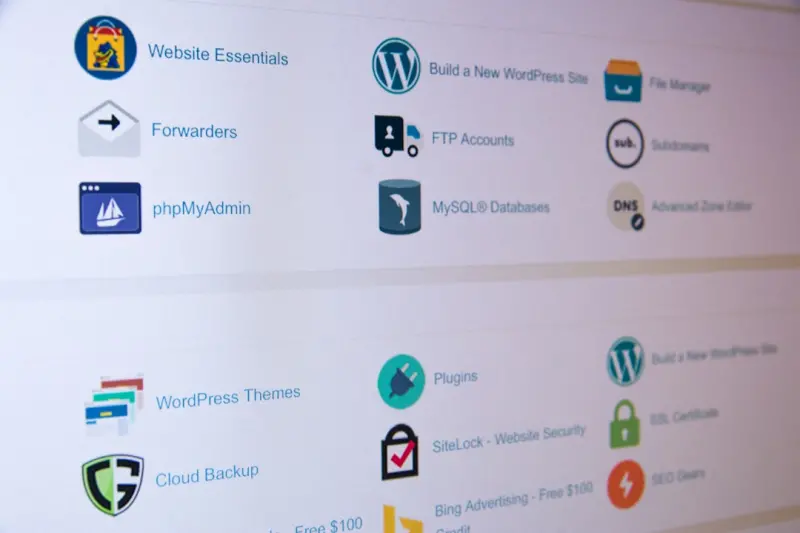
Semantic Site Architecture: A WordPress SEO Playbook
Discover how to transform your WordPress site into a semantic powerhouse with strategic taxonomy, sc... Read More
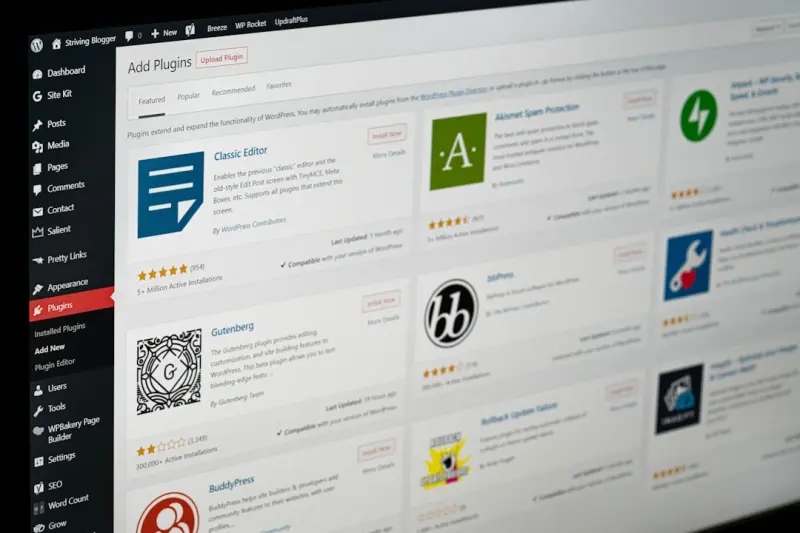
Boost WordPress Rankings with a User‑Experience‑First SEO Strategy
Discover a fresh SEO approach for WordPress that puts user experience, speed, and accessibility at t... Read More

The Empathy‑First Playbook for WordPress SEO Success
Discover why empathy matters in WordPress SEO and how to blend technical excellence with human‑foc... Read More
Top Posts

Turning WordPress Site Health into SEO Supercharge
A deep dive into WordPress site health reveals performance, security, and code hygiene as powerful SEO signals—plus a practical checklist to turn your site in...Read More

Combat Ad Fatigue with Smarter Social Media Strategies
Ad fatigue silently erodes campaign performance. This guide shows how to detect it early, rotate creatives intelligently, and allocate budget wisely, turning fa...Read More

Why Interactive Experiences Are the Next Frontier in Content Marketing
Explore the rise of interactive content—quizzes, calculators, AR demos—and learn how to build a reusable engine that fuels every stage of the buyer journey ...Read More

How Community Partnerships Supercharge Your Local SEO
Learn why building authentic local partnerships is the secret weapon for dominating local search, earning trusted backlinks, and converting neighborhood traffic...Read More
0 Comments
Post Comment
You will need to Login or Register to comment on this post!