

Why the Spotlight Is Shifting to Zero‑Click Search
When I first started writing for SaaS marketers, the mantra was “drive clicks, drive leads.” Today the conversation has pivoted. Users often get the answer they need directly on the search results page, without ever clicking through. This phenomenon—commonly called zero‑click search—has turned the traditional funnel upside down, and B2B content teams must adapt or risk fading into the background.
Understanding the Mechanics Behind Snippet Dominance
Google’s SERP is now a rich, interactive canvas. Answer boxes, knowledge panels, and “People also ask” modules crowd the page, each vying for the user’s attention. The algorithm rewards content that can be distilled into concise, authoritative statements. In practice, this means that the most valuable asset you can produce is a clear, snippet‑ready answer that satisfies intent in under 50 words.
- Intent mapping: Identify the exact question a prospect is asking. Is it “how does API rate limiting work?” or “what are the ROI metrics for subscription billing?”
- Structured markup: Use schema.org markup to flag definitions, FAQs, and how‑to steps. This gives the engine a roadmap to surface your content.
- Authority signals: Back up claims with data, citations, and links to reputable sources. The search engine’s confidence grows when it sees verifiable facts.
From Long‑Form Guides to Micro‑Answers: A Tactical Shift
Long‑form whitepapers still have a place, but they must be architected for extraction. Break down each chapter into stand‑alone sections that answer a single query. Then, create a dedicated landing page for each micro‑answer, optimized with the right heading hierarchy and schema. This approach feeds the snippet ecosystem while preserving the depth of your original research.
Leveraging Generative AI for Hyper‑Personalized Micro‑Content
Artificial intelligence is no longer a novelty; it’s a production line for precision content. By feeding AI models with your product’s technical documentation, case studies, and market data, you can generate thousands of short, fact‑checked statements ready for SERP placement. The key is human oversight: a content strategist reviews each output for brand tone, compliance, and factual integrity before publishing.
When you combine AI‑generated micro‑content with a next evolution in content delivery, you create a dynamic library that can be programmatically updated as your product evolves. This ensures that the information Google sees is always current, boosting your chances of being featured in real‑time answer boxes.
Designing a Dynamic Framework That Grows With Your Audience
Static pages are a relic. Modern B2B buyers expect content that evolves with their journey. A dynamic content framework lets you map each piece of micro‑content to specific buyer stages, from awareness to post‑purchase. When a new feature rolls out, the associated snippet‑ready statements are automatically refreshed across all relevant pages.
This framework also integrates with your CRM, allowing you to surface personalized snippets in email newsletters and in‑app help centers. The result is a cohesive experience where the same concise answer appears wherever the buyer looks.
Measuring Success When Clicks Are No Longer the Primary Metric
Zero‑click search demands new KPIs. Traditional click‑through rates still matter, but you’ll want to track:
- Impression share in featured snippets: How often does your brand appear in answer boxes?
- Brand lift surveys: Does visibility without a click increase brand recall?
- Assist conversions: Users who see your snippet may later convert through a different channel (e.g., direct traffic, referral). Attribute these downstream actions back to the snippet exposure.
Analytics platforms now offer “zero‑click attribution” models that assign credit to non‑click impressions. Incorporate these insights into your quarterly reporting to demonstrate the ROI of snippet‑focused content.
Practical Checklist for a Zero‑Click Ready Content Strategy
- Audit existing content for snippet potential. Identify high‑traffic queries that already rank on page two.
- Map intent clusters and draft concise answers (40‑60 words) for each.
- Implement structured data (FAQPage, HowTo, Question/Answer) on the answer pages.
- Generate AI‑enhanced variations to cover synonyms and long‑tail phrasing.
- Set up a dynamic publishing pipeline that pulls from your content repository and pushes updates to the web automatically.
- Monitor snippet performance via Google Search Console’s “Performance” report and adjust wording as needed.
- Integrate snippet data into your lead scoring model to reward non‑click brand exposure.
Case Study Snapshot: Turning Snippets Into a Lead Magnet
A mid‑size SaaS company specializing in workflow automation faced dwindling organic traffic. By repurposing their extensive API reference into a series of “What is X?” micro‑pages, they secured featured snippets for 27 high‑value queries within three months. Although the click‑through rate dipped slightly, their assisted conversion rate rose by 18% because prospects recognized the brand before engaging on other channels.
Future‑Proofing Your Content for an Ever‑Evolving SERP
The search landscape will continue to blend traditional results with AI‑driven answers, visual cards, and even conversational agents. To stay ahead:
- Invest in continuous learning for your content team—understand schema updates, new SERP features, and emerging intent patterns.
- Adopt a modular content architecture that treats each answer as a reusable block, ready to be surfaced in any format.
- Maintain a feedback loop with product and sales, ensuring that the micro‑content reflects the latest value propositions.
By embracing a zero‑click mindset, you transform every search impression into an opportunity to educate, build trust, and ultimately guide the buyer toward a decision—whether they click or not.

Related Posts
Why AI‑Powered Micro‑Video Is Redefining B2B Content
AI‑generated micro‑videos are the fastest, most personalized B2B content format yet. Learn how t... Read More
Immersive Audio‑Visual Micro‑Series: The Fresh Frontier for Brand Storytelling
Explore the rise of immersive audio‑visual micro‑series, a new content format that blends shortâ... Read More
Why Short‑Form Video Is the New Power Play for SaaS Content
Short‑form video is quickly becoming essential for SaaS brands. Learn how to create, distribute, a... Read More
Top Posts
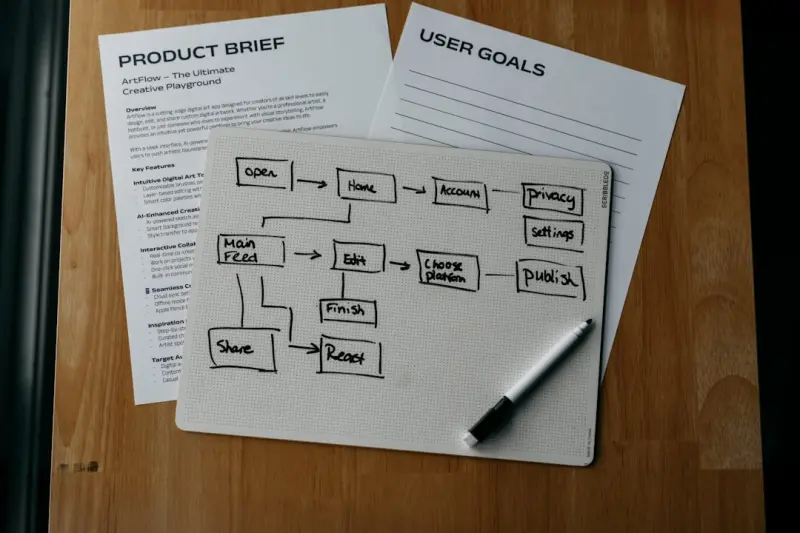
From Idea to Impact: A Blueprint for Scalable Content Strategy in SaaS
A practical, data‑driven blueprint helps SaaS teams turn fragmented content into a predictable growth engine, aligning business goals, governance, collaborati...Read More

Empathy‑First Link Building: How Real Relationships Drive Rankings
Learn why empathy beats blind outreach, how to craft human‑centric outreach emails, and the tools that blend data with genuine connection for sustainable link...Read More
Cracking the LinkedIn Discovery Code: Tactical SEO Moves for B2B Leaders
This post reveals a step‑by‑step LinkedIn SEO framework—profile authority, content clustering, and engagement tactics—that transforms everyday activity ...Read More

Turning Employees into Social Brand Ambassadors: A SaaS Playbook
Learn a practical, gamified framework for converting your SaaS team into authentic social media advocates—boosting credibility, reach, and qualified leads whi...Read More
0 Comments
Post Comment
You will need to Login or Register to comment on this post!