

Why Zero‑Click Search Matters
The SERP has evolved far beyond the classic list of ten blue links, with Google now serving answers directly on the results page in the form of featured snippets, knowledge panels, and other “zero‑click” features that satisfy user intent instantly. For marketers, this shift means that visibility—and therefore traffic—can be earned without a single click, forcing us to rethink the traditional click‑through optimization mindset that once dominated SEO roadmaps. Embracing zero‑click search not only expands brand exposure but also aligns with user expectations for rapid answers, a competitive edge that cannot be ignored in today’s fast‑paced information economy.
Mapping the Zero‑Click Landscape
Zero‑click results can be grouped into three primary categories: featured snippets that pull concise paragraphs or lists into a highlighted box, knowledge panels that aggregate structured data about entities, and visual packs such as image carousels and “People Also Ask” (PAA) accordion widgets that surface related queries. Each format rewards a distinct set of content signals—snippets favor clear, succinct answers; panels depend on robust schema markup; image packs look for optimized visuals and descriptive alt text—so a one‑size‑fits‑all approach simply won’t capture the full opportunity. Understanding how Google’s algorithm selects and displays these formats is the first step toward a strategy that deliberately targets the most valuable zero‑click real estate for your niche.
Crafting Snippet‑Ready Content
To win featured snippets, content must be written with the answer first, using a concise definition or a step‑by‑step list that mirrors the structure Google prefers when extracting information. Incorporating bullet points, numbered lists, and clear headings not only improves readability for humans but also signals to the engine that the page contains a ready‑made answer, increasing the likelihood of being lifted into the snippet box. Pair this approach with a solid topical foundation—such as leveraging entity‑driven topic clusters—to reinforce relevance and authority across the entire content ecosystem.
Leveraging Structured Data for Knowledge Panels
Knowledge panels are powered almost entirely by structured data, meaning that implementing schema markup is no longer optional but essential for any brand seeking a presence in the zero‑click zone. Use the Organization, Person, and LocalBusiness schemas to feed Google precise facts about your company, key personnel, and physical locations, and supplement with Review and FAQ schemas to surface ratings and common queries directly in the panel. Regularly audit your markup with tools like Google’s Rich Results Test to ensure accuracy, because even small errors can prevent the panel from rendering and waste valuable SERP real estate.
Optimizing for Image Packs and Visual Search
Visual search is rapidly becoming a zero‑click powerhouse, with Google Image Packs, Google Lens, and Pinterest’s visual discovery engine delivering entire image galleries without requiring a click to a landing page. To dominate this space, every visual asset must be paired with an SEO‑friendly file name, a descriptive alt attribute, and contextual surrounding text that reinforces the image’s relevance to the target query. Additionally, creating original infographics and data‑driven visuals that answer specific questions can earn placement in the “Top Stories” image carousel, driving brand awareness even when users never navigate beyond the SERP.
Measuring Success Without Clicks
Traditional metrics like organic clicks and bounce rate lose some relevance in a zero‑click environment, so marketers must pivot to impression‑based KPIs such as featured snippet impressions, knowledge panel views, and image pack exposures to gauge impact. Google Search Console now provides dedicated reports that break down these impression types, allowing you to track which pages are earning zero‑click real estate and how that correlates with overall brand search volume. Complement this data with brand lift studies and assisted conversion modeling to understand how zero‑click visibility influences downstream actions, even when the user never clicks through.
Integrating Zero‑Click Tactics with Existing SEO
Zero‑click optimization should not exist in a vacuum; it works best when layered on top of a solid foundational SEO strategy that includes technical health, backlink acquisition, and content depth. Conduct a comprehensive content audit—like the one described in Turn Your Content Library into a Growth Engine—to identify high‑performing assets that can be reshaped into snippet‑friendly formats, and repurpose evergreen pillars into FAQ pages that feed both PAA and knowledge panel opportunities. By aligning these tactics, you ensure that every piece of content contributes to both traditional rankings and the newer zero‑click pathways.
Future‑Proofing Your Zero‑Click Strategy
The rise of generative AI and increasingly sophisticated intent models suggests that zero‑click results will become even more nuanced, with personalized answer boxes that adapt to user context in real time. To stay ahead, continuously monitor emerging schema types, experiment with AI‑generated concise answers, and maintain a feedback loop that captures user satisfaction signals such as dwell time on SERP and follow‑up queries. Investing in an agile content creation process that can swiftly iterate on answer formats will keep your brand visible as Google’s answer engine evolves, turning zero‑click potential into a sustainable competitive moat.
Common Pitfalls and How to Avoid Them
One of the most frequent mistakes is over‑optimizing for snippets by stuffing keywords into short answers, which can result in low‑quality content that Google demotes in favor of more authoritative sources. Another trap is neglecting the broader user journey; zero‑click visibility should complement, not replace, well‑structured landing pages that capture leads and conversions when users do decide to click. Finally, failing to update structured data after major business changes can cause outdated knowledge panels that damage brand trust—regularly schedule schema audits to keep every fact current and accurate.

Related Posts
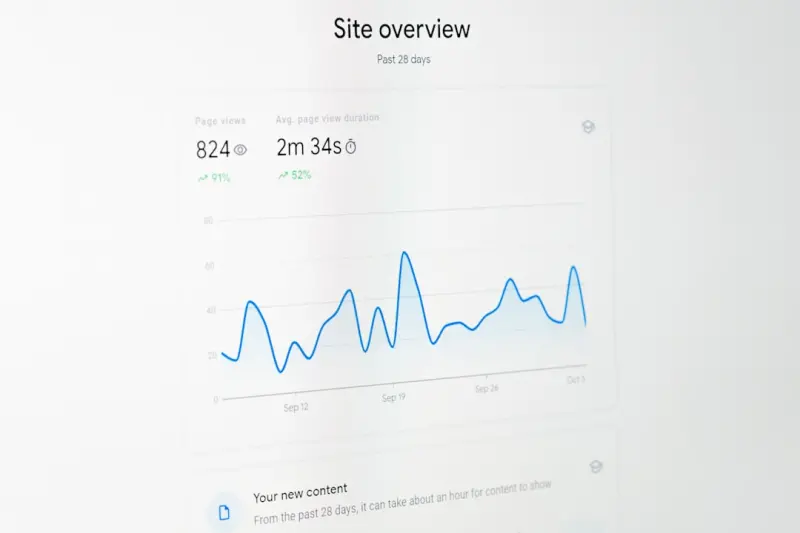
Zero-Click Search Optimization: Turning SERP Visibility into Conversions
Learn to harness zero‑click search, from intent mapping to structured data, and transform SERP vis... Read More

Human‑Centric SEO: A Modern Playbook for Sustainable Rankings
A human‑centric SEO playbook that balances technical foundations, narrative content, and community... Read More

Turning Customer Success Stories into SEO Gold
Discover a systematic, customer‑centric SEO strategy that turns real‑world success stories, test... Read More
Top Posts

Crafting a Multi‑Layered Narrative for B2B SaaS Content
A fresh approach to B2B SaaS content creation: stack your brand story into foundation, contextual, and actionable layers to deliver tailored, high‑impact narr...Read More
Semantic Clustering: The Blueprint for Sustainable SEO Growth
Learn why semantic clustering matters, how to build powerful content clusters, and the metrics that prove they work—turning your site into an authority hub....Read More

Immersive AR: Redefining Content Strategy for Modern Audiences
Explore how augmented reality is transforming content creation, driving deeper engagement, and unlocking new SEO benefits. Practical tips guide marketers to int...Read More

Ephemeral and Voice‑First Content: Unlocking Real‑Time Engagement for Modern Brands
Learn why short‑lived stories and voice‑driven content are reshaping marketing, and get a step‑by‑step plan to integrate them into your strategy for hig...Read More
0 Comments
Post Comment
You will need to Login or Register to comment on this post!