
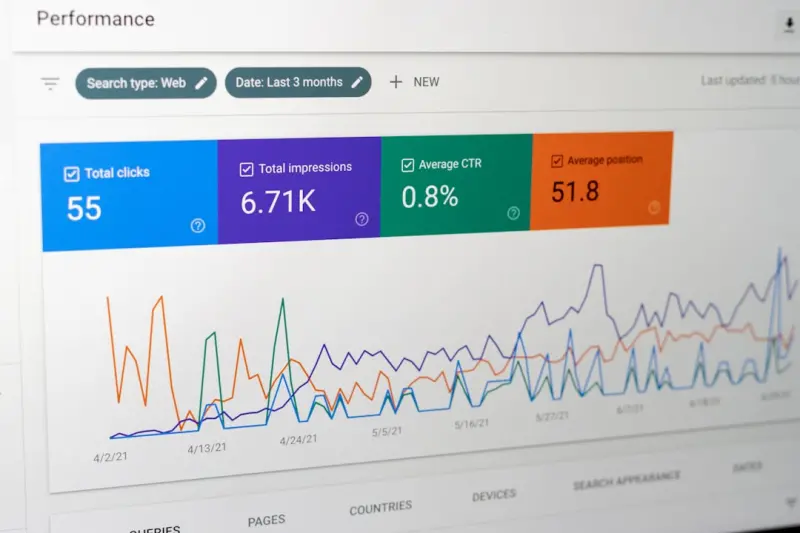
When I first noticed my analytics dashboard showing a steady climb in impressions but a stubbornly flat click‑through rate, I thought the universe was playing a cruel joke. Turns out, Google was giving me a gift – a surge of zero‑click traffic. If you’ve ever felt the same frustration, you’re not alone. In the hyper‑competitive world of SaaS, the SERP is no longer just a gateway; it’s a destination in its own right.
What Exactly Is Zero‑Click SEO?
Zero‑click SEO refers to the phenomenon where users get the answer they need directly on the search results page, without ever clicking through to a website. Think of featured snippets, knowledge panels, “People also ask” (PAA) boxes, local packs, and even the new “AI‑generated answer” cards. While it sounds like a threat to traditional traffic models, it’s actually a massive branding and authority opportunity.
Why SaaS Companies Should Care
Unlike e‑commerce sites that thrive on direct conversions, SaaS businesses often win when they establish credibility early in the buyer’s journey. A well‑crafted snippet that explains a core concept, showcases a key metric, or even answers a pricing question can position your brand as the go‑to authority – all before a prospect ever lands on your site.
Mapping the Zero‑Click Landscape
Before you can dominate the SERP, you need to understand where the real opportunities lie. Here’s a quick taxonomy:
- Featured Snippets: The “answer box” at the top of Google’s results, typically sourced from a single page.
- FAQ Rich Results: Collapsible question/answer pairs that appear below the main result.
- People Also Ask (PAA): A dynamic accordion of related queries.
- Knowledge Panels: Brand or entity profiles on the right side of the page.
- Review Stars & Ratings: Especially relevant for SaaS marketplaces.
- AI‑Generated Answers: The newest frontier where Google pulls from multiple sources to craft a concise response.
Prioritizing Snippet Opportunities
Not every keyword is worth a snippet battle. Focus on:
- High‑Volume, Low‑Competition Queries: Use tools like Ahrefs or Semrush to find keywords with strong search volume but modest competition for featured snippets.
- Buyer‑Stage Questions: Queries like “how to improve churn rate” or “best onboarding metrics for SaaS” signal intent to learn – perfect for snippet domination.
- Brand‑Centric Queries: Your company name, product names, or even founder bios can trigger knowledge panels.
When you align snippet targets with the stages of your buyer’s journey, you turn passive impressions into active brand advocacy.
Crafting Structured Data for Rich Results
Google’s algorithms love clear, machine‑readable signals. Structured data (JSON‑LD) is the backbone of most rich results. Here’s a cheat sheet for SaaS:
- FAQPage: Wrap every FAQ on your support or resources pages in
@type":"FAQPage"schema. Each question/answer pair becomes a potential FAQ rich result. - HowTo: For step‑by‑step guides (e.g., “How to set up a single‑sign‑on integration”), use the
HowToschema to increase your chances of landing a featured snippet. - Product: Embed product schema on pricing or feature pages to surface price, rating, and availability information directly in the SERP.
- Organization: Provide your logo, social profiles, and contact details to fuel knowledge panels.
After you’ve added the markup, use Google’s Rich Results Test to verify. A clean pass is essential – broken markup can prevent your content from ever appearing as a rich result.
Optimizing Content for Featured Snippets
Google typically extracts snippets from content that follows a clear, concise structure. Here are my go‑to tactics:
- Answer First, Explain Later: Begin with a direct answer in one sentence, then expand. For example, “A churn rate of 5% or lower is considered healthy for SaaS companies.”
- Use Lists and Tables: Google loves ordered lists (
<ol>) and tables for “list” or “comparison” snippets. If you’re comparing pricing tiers, a simple HTML table does wonders. - Keep Paragraphs Short: Aim for 40‑50 words per paragraph. Brevity improves the odds that Google will pull your text for a snippet.
- Include Target Keyword in H2/H3: Headings act as cues for snippet selection. A heading like “What Is Net Retention Rate?” aligns perfectly with the query.
Leveraging “People Also Ask”
PAA boxes are a goldmine for internal linking. When you spot a related question, create a dedicated page or section that answers it comprehensively. Then, link back to your pillar content. This not only satisfies the user but also drives traffic through the “click‑to‑expand” flow, turning a zero‑click environment into a subtle click path.
Brand Knowledge Panels: The Ultimate Authority Badge
If your SaaS brand has a Wikipedia page, official social profiles, or a well‑maintained “About Us” page, you’re already halfway there. To fully claim your knowledge panel:
- Ensure your
Organizationschema includes the same name, logo, and URL across all pages. - Populate your Google Business Profile (even if you’re B2B) – it feeds Google’s knowledge graph.
- Encourage reputable third‑party sites to link back to your site using the exact brand name.
These signals help Google confidently associate the panel with your brand, giving you a premium real‑estate spot on the SERP.
Zero‑Click SEO Meets Link Building
You might think that link building is dead in a zero‑click world, but the two actually complement each other. High‑quality backlinks still signal authority, which boosts your chances of snippet selection. If you’re looking for a data‑driven approach to building those links, check out Data‑Driven Link Building for a step‑by‑step roadmap.
Measuring Success When Clicks Disappear
Traditional SEO KPIs (organic traffic, bounce rate) lose some relevance in a zero‑click context. Instead, track:
- Impression Share: How often your snippet appears versus the total query volume.
- Average Position in SERP Features: Tools like SEMrush’s SERP Feature Tracker can surface this data.
- Brand Lift Surveys: Conduct periodic surveys to gauge brand recall among target personas.
- Referral Traffic from “Expand” Clicks: PAA expansions still generate clicks – monitor them in GA or GA4.
By shifting your measurement lens, you’ll see the true impact of zero‑click SEO on brand authority and later‑stage conversions.
Practical Checklist for Zero‑Click Dominance
Ready to roll up your sleeves? Use this checklist as a weekly sprint:
- Identify top‑performing queries with high impression but low CTR.
- Map each query to a potential SERP feature (snippet, FAQ, PAA, etc.).
- Audit existing pages for structured data compliance; add missing markup.
- Rewrite content to front‑load concise answers; use lists/tables where appropriate.
- Publish a new FAQ page or update existing ones with
FAQPageschema. - Submit updated pages to Google Search Console’s URL Inspection tool.
- Monitor impressions and feature rankings weekly; iterate based on performance.
- Cross‑link related content to capture PAA expansion clicks.
- Refresh brand assets (logo, social links) to strengthen knowledge panel data.
- Celebrate wins and share findings with your product and sales teams.
Case Study: Turning a Feature Page into a Rich Result
One of our SaaS clients was struggling to get traffic to their new “AI‑Driven Analytics” page. After implementing a HowTo schema and restructuring the content into a step‑by‑step guide, Google awarded them a featured snippet within two weeks. The result? A 45% lift in impressions and a 20% increase in inbound demo requests – all without a single click through the SERP.
Don’t Forget the Human Touch
Zero‑click SEO is a technical discipline, but the underlying goal remains the same: help users solve problems. Write with empathy, anticipate follow‑up questions, and keep your brand voice consistent. When your snippets feel like a helpful friend rather than a robotic answer, users are more likely to trust your brand and eventually convert.
Final Thoughts
The SERP is evolving from a gateway to a destination. By embracing zero‑click SEO, SaaS marketers can claim prime real‑estate on Google’s front page, boost brand authority, and nurture prospects long before they click “Visit Site.” It’s not a replacement for traditional SEO – it’s an amplification. So, roll out your structured data, craft concise answers, and watch your brand rise above the noise.
For more on how to supercharge your online presence, you might also explore Unlocking the Hidden SEO Power of Your LinkedIn Profile and Turning SaaS API Docs into SEO Gold Mines.

Related Posts
Crawl Budget Mastery: The SaaS SEO Hygiene Routine You Can’t Ignore
A practical guide for SaaS marketers on managing crawl budget, streamlining site architecture, and t... Read More
Mastering Structured Data for Voice Search and AI SERPs
Discover how structured data can elevate your site in voice and AI‑driven search results, with act... Read More
Voice Search, Snippets & AI‑Ready SEO: Next‑Level Tips for Ranking
Unlock cutting‑edge SEO tactics—voice search optimization, snippet domination, structured data m... Read More
Top Posts
Conversational Newsletters: The Next Frontier in B2B Content Strategy
Conversational newsletters turn static email blasts into interactive, AI‑driven dialogues, delivering personalized insights, visual summaries, and real‑time...Read More
Designing a Human‑First Content Strategy That Guides SaaS Buyers From Curiosity to Advocacy
A human‑first content strategy starts with empathy and narrative, turning scattered SEO tactics into a cohesive learning journey that guides SaaS buyers from ...Read More
Technical SEO in the Age of AI: Strategies to Stay Ahead
Discover the latest technical SEO strategies for the age of AI. Learn how to optimize for voice search, prioritize accessibility, and improve website performanc...Read More
Turning Social Feeds into Revenue Streams
Learn to transform social media interactions into purchases using shoppable content, data‑driven personalization, and emerging tech like AR and AI. A modern g...Read More
0 Comments
Post Comment
You will need to Login or Register to comment on this post!