

Why Analog Toys Are Making a Loud Comeback in a Quiet, Screen‑Obsessed World
When I was a kid, a Saturday afternoon meant a backyard treasure hunt, a stack of wooden blocks, or a battered Super Mario cartridge that could survive a tumble off the couch. Fast forward to today, and it’s hard to find a child (or an adult) who can sit still without a glowing rectangle in their hands. As a lifelong toy enthusiast who’s also spent a decade navigating the fast‑moving SaaS landscape, I’ve watched the pendulum swing wildly toward digital play. Yet, something unexpected is happening: analog toys are slipping back into the spotlight, and they’re doing it with a vigor that rivals the newest VR headset.
In this piece I’ll explore why the humble wooden puzzle, the tactile board game, and the good‑old paper‑and‑pencil activity set are becoming the secret weapons of parents, educators, and even corporate teams looking to boost creativity, focus, and genuine connection. I’ll also sprinkle in a couple of industry insights—like how edge rendering is reshaping the way digital toys are built—to show that the analog resurgence isn’t happening in a vacuum.
The Overstimulated Brain Needs a Reset Button
Research from child development labs across the globe consistently points to a simple truth: our brains crave variety. When a child spends hours scrolling through TikTok or battling through endless levels of a mobile game, their neural pathways become heavily wired for rapid visual stimulation and instant reward. The downside? Reduced attention spans, diminished problem‑solving patience, and a craving for that same dopamine hit.
Analog toys provide a natural antidote. A wooden train set, for example, forces a child to plan routes, anticipate collisions, and physically manipulate pieces. That tactile engagement lights up different parts of the brain—motor cortex, spatial reasoning centers, and the prefrontal area responsible for executive function. In short, you’re giving the brain a “reset button” that digital experiences can’t replicate because they lack the resistance, texture, and permanence of physical objects.
From Playroom to Boardroom: Analog Tools Boost Adult Performance
You might be thinking, “I’m an adult; I don’t need a set of LEGO bricks to be productive.” But the reality is that many forward‑thinking companies have already incorporated analog play into their innovation pipelines. Think of design sprints that start with “paper‑prototype” sessions, or strategy meetings that break out into “Lego Serious Play” workshops. The underlying principle is the same: physical manipulation sparks divergent thinking in ways that a PowerPoint deck never will.
For instance, during a recent product brainstorming session at my own SaaS firm, we swapped our laptops for a set of magnetic tiles. The act of snapping pieces together forced us to think in concrete, modular terms—leading to a breakthrough feature roadmap that we later refined digitally. The takeaway? Analog toys are not just kids’ pastimes; they’re low‑tech catalysts for high‑tech innovation.
Eco‑Friendly Play: A Sustainability Story Worth Telling
Another reason analog toys are gaining traction is the sustainability narrative. The global toy market, dominated by plastic mass‑production, contributes significantly to landfill waste. Parents who are increasingly eco‑conscious are actively seeking alternatives made from responsibly sourced wood, recycled cardboard, or biodegradable materials.
Brands that prioritize these values are seeing a surge in demand. A small boutique in Portland that crafts hand‑painted wooden puzzles reported a 250 % increase in sales after launching a “Zero‑Waste Play” campaign. The same boutique used the buzz to educate consumers about the carbon footprint of traditional plastic toys, turning a simple product into a movement.
Learning That Sticks: The Science Behind Hands‑On Play
When a child builds a tower of blocks, they aren’t just stacking wood—they’re mastering physics, geometry, and fine motor control. The kinesthetic feedback—feeling the weight, hearing the click of interlocking pieces—creates a multimodal learning experience that’s far more memorable than a video tutorial.
One study published in the Journal of Early Childhood Research found that children who engaged with tactile puzzles showed a 30 % higher retention rate for spatial concepts than peers who learned the same concepts through an app. The same principle applies to adults: hands‑on tasks improve retention of complex information, a fact that’s being leveraged in corporate training programs worldwide.
Bridging the Gap: Hybrid Play Experiences
While I’m championing analog, I’m not suggesting we abandon digital entirely. The most exciting innovations are emerging at the intersection of the two. Take the AI‑driven toys that can sense a child’s voice, adjust difficulty, and offer real‑time feedback. When paired with a physical board or a set of magnetic tiles, these toys become platforms for blended learning—combining the immediacy of digital data with the depth of tactile interaction.
One clever example is a smart chess board that records each move, analyses strategy, and suggests improvements via an app. The board itself remains a classic wooden set, preserving the tactile joy, while the digital layer adds a coaching element that would be impossible with a purely analog piece.
Curating the Perfect Analog Toy Shelf
If you’re convinced and ready to bring more analog magic into your life, here are a few guidelines to help you curate a balanced collection:
- Prioritize open‑ended play. Toys like building blocks, magnetic tiles, and simple wooden vehicles encourage imagination without dictating a single outcome.
- Look for quality materials. Natural wood, sustainably sourced fabrics, and non‑toxic paints ensure safety and longevity.
- Consider multi‑age utility. A set that grows with the child—such as a modular construction system—offers lasting value and reduces waste.
- Blend with technology thoughtfully. If you’re adding a digital layer, make sure it enhances rather than replaces the physical experience.
- Test for durability. Kids (and adults) will put toys through rigorous stress tests; sturdy design matters.
How Retailers Are Riding the Analog Wave
From boutique shops to massive e‑commerce platforms, retailers are adapting their strategies to meet the rising demand for analog toys. Some are creating “experience zones” in stores where kids can test out tactile products before buying—a nod to the “try before you buy” mindset that’s become standard in tech retail.
Online, algorithms that once championed the newest electronic gadget are now being tweaked to surface classic wooden puzzles, craft kits, and retro board games. This shift is evident in the surge of search queries for terms like “non‑plastic building set” and “eco‑friendly board game.” Retailers who act quickly to optimize these keywords are seeing higher conversion rates, as shoppers search for alternatives that align with their values.
The Future: A Playful Balance
Predicting the future of toys is always a gamble—one moment a new console dominates, the next a nostalgic wave sweeps the market. What’s clear, however, is that the pendulum is no longer a one‑way swing toward screens. Parents, educators, and even corporate leaders are realizing that analog toys deliver something digital can’t: genuine, embodied interaction that nurtures creativity, focus, and sustainability.
In the coming years, expect to see more hybrid models, where the line between physical and digital blurs, and more brands championing the environmental benefits of tangible play. The best part? The toys themselves will continue to evolve, but the core principle remains timeless—play is a fundamental human need, and the simplest tools often unlock the deepest insights.
So next time you walk past a shelf of plastic action figures, consider reaching for that wooden puzzle instead. Your brain—and perhaps your bottom line—will thank you.

Related Posts
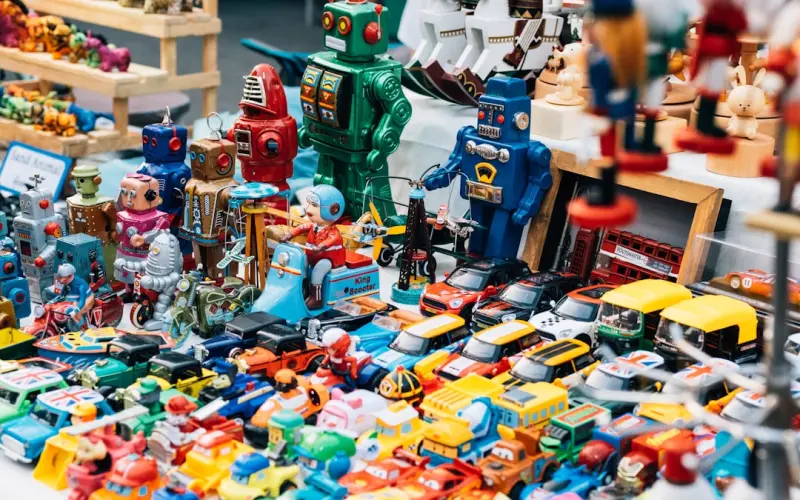
The Sustainable Play Revolution: How Eco‑Friendly Toys Transform Childhood
Explore the rise of sustainable toys, DIY upcycling projects, and practical tips for parents to crea... Read More
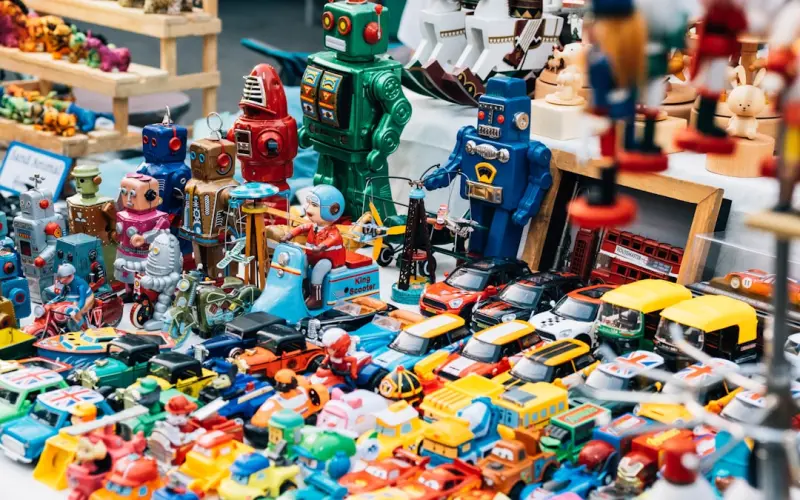
Smart Play: Why AI‑Driven Toys Are the Next Big Thing in Kids’ Rooms
AI‑enabled toys are turning playrooms into data‑rich learning labs, offering personalized experi... Read More
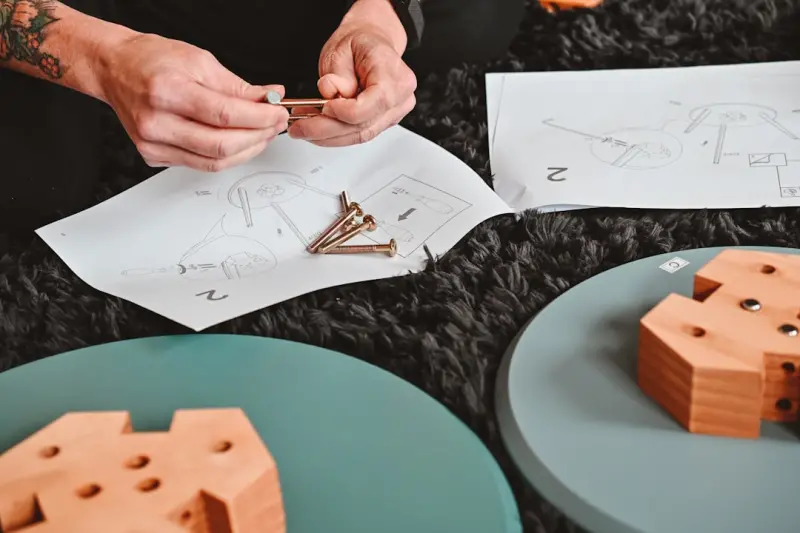
Playful Futures: Sustainable, Smart, and DIY Toys Shaping the Next Generation
From biodegradable plush bears to AI‑powered coding robots and DIY maker kits, this post uncovers ... Read More
Top Posts

The Evolution of Content Marketing: Strategies for Success in 2024
The content marketing landscape is evolving rapidly. Stay ahead of the curve by prioritizing high-quality content, technical SEO, and social media strategy to d...Read More

Why Short‑Form Video Is the Secret Weapon for SaaS Social Media Ads
Short‑form video is reshaping B2B SaaS advertising. Learn why bite‑size clips on TikTok, Instagram Reels, and YouTube Shorts outperform traditional ads, and...Read More
Gamify Your Link Building: Turning Fun into Authority
Learn how turning link building into a game can motivate teams, generate high‑quality backlinks, and create a sustainable SEO engine—all while keeping the p...Read More

The Evolution of Technical SEO: A Comprehensive Guide
Technical SEO is a critical component of a comprehensive SEO strategy. Learn how to optimize your website's technical aspects to improve search engine rankings ...Read More
0 Comments
Post Comment
You will need to Login or Register to comment on this post!