

Why Traditional Keyword‑Centric SEO Is No Longer Enough for SaaS
When I first started optimizing SaaS sites, the mantra was simple: find the right keywords, sprinkle them everywhere, and pray for rankings. That approach got us decent traffic, but it also left us chasing a moving target—Google’s algorithms were evolving faster than our content teams could keep up. Today, the real differentiator is semantic relevance. It’s not just about matching a string of characters; it’s about demonstrating deep, contextual understanding of the problems our customers are trying to solve.
Enter Semantic SEO: The New North Star
Semantic SEO is the practice of structuring your content and site architecture so that search engines can infer the full meaning behind a query—not just the individual words. For SaaS businesses, this translates into three core pillars:
- Topic clusters that map the entire buyer journey
- Rich, structured data that tells Google what your product actually does
- Intelligent internal linking that distributes authority and signals relevance
When these pillars align, you’re not just ranking for a handful of long‑tail keywords—you’re becoming the go‑to authority for an entire problem domain.
Building Topic Clusters That Mirror Real‑World Problems
Instead of isolated blog posts, think of your content as a network of interrelated nodes that answer a broader question. For example, a SaaS that offers project‑management solutions could structure a cluster around “remote team collaboration.” The cluster might include:
- A pillar page titled “The Ultimate Guide to Remote Team Collaboration” that outlines challenges, best practices, and technology options.
- Supporting articles such as “How Real‑Time Document Editing Boosts Remote Productivity” and “Integrating Video Conferencing with Your Project Management Tool.”
- Case studies that showcase measurable ROI for customers who adopted specific workflows.
Each supporting piece links back to the pillar, and the pillar links outward, creating a semantic web that Google can easily crawl and interpret.
Structured Data: Speak Google’s Language Directly
Google loves data it can parse without guesswork. By implementing AI‑enhanced link building strategies, you already understand the power of context. Now, apply that same principle to your HTML.
Schema.org offers a range of types that are perfect for SaaS:
- SoftwareApplication – defines your product’s name, operating system, pricing model, and feature set.
- Product – highlights reviews, aggregate ratings, and pricing tiers.
- FAQPage – surfaces answers to common buyer questions directly in SERPs.
When you markup your pricing page with SoftwareApplication and your documentation with FAQPage, you give Google explicit signals that reduce ambiguity, improve click‑through rates, and often land you in coveted rich‑snippet positions.
Internal Linking as a Semantic Signal Engine
Most SaaS teams treat internal links as a secondary concern—something to be “done later.” In a semantic framework, internal linking is a primary optimization vector. Here’s how to do it right:
- Link from high‑authority pages to new content. Use your pillar pages, which often accumulate the most backlinks, to boost the visibility of fresh supporting articles.
- Use descriptive anchor text that reflects the target’s semantic intent. Instead of generic “click here,” write “how to set up automated onboarding flows” for a link pointing to a relevant guide.
- Maintain a shallow crawl depth. Aim for a maximum of three clicks from the homepage to any deep‑level resource. This not only helps crawlers but also improves user experience.
By treating internal linking as a way to reinforce topical relevance, you create a self‑reinforcing system where authority flows naturally to the pages that matter most for conversion.
Managing Crawl Budget With Semantic Precision
Search engines allocate a finite crawl budget to each domain. If you waste that budget on low‑value pages, you jeopardize the discoverability of your most important assets. Leveraging crawl budget optimization tactics is essential, but we can take it further by aligning crawl priority with semantic importance.
Steps to align crawl budget with semantic strategy:
- Consolidate duplicate or thin content. Use canonical tags and 301 redirects to funnel link equity.
- Serve lightweight HTML for low‑traffic pages. Reduce page weight with minimal CSS/JS to lower server load.
- Prioritize high‑value cluster pages in your XML sitemap. Mark them with
<priority>1.0</priority>to signal importance. - Leverage server response headers. Return
Cache‑ControlandLast‑Modifiedheaders to help crawlers make smarter decisions.
When crawlers understand that your pillar pages are the semantic hubs, they’ll allocate more resources there, ensuring that new supporting articles get indexed quickly.
Content Refresh Cycles: Keeping Semantic Relevance Fresh
Semantic authority isn’t static. Competitors will publish fresh content, search intent will shift, and Google will roll out algorithm updates that reward freshness. A robust refresh cycle includes:
- Quarterly audit of topic clusters. Check for gaps, emerging sub‑topics, and outdated statistics.
- Update schema markup. New schema types are added regularly—stay current to capture new SERP features.
- Re‑evaluate internal linking. As new content lands, adjust anchor texts to maintain a logical semantic flow.
By treating your SEO strategy as a living, breathing ecosystem, you ensure that your site remains the authoritative source for the problems your SaaS solves.
Measuring Semantic Success: Beyond Rankings
Traditional SEO metrics—rankings, organic traffic, and backlinks—are still valuable, but they don’t tell the whole story for semantic SEO. Consider these additional KPIs:
- Topic Authority Score. Use tools that assess the depth of coverage across a cluster (e.g., Ahrefs’ Content Gap or SEMrush’s Topic Research).
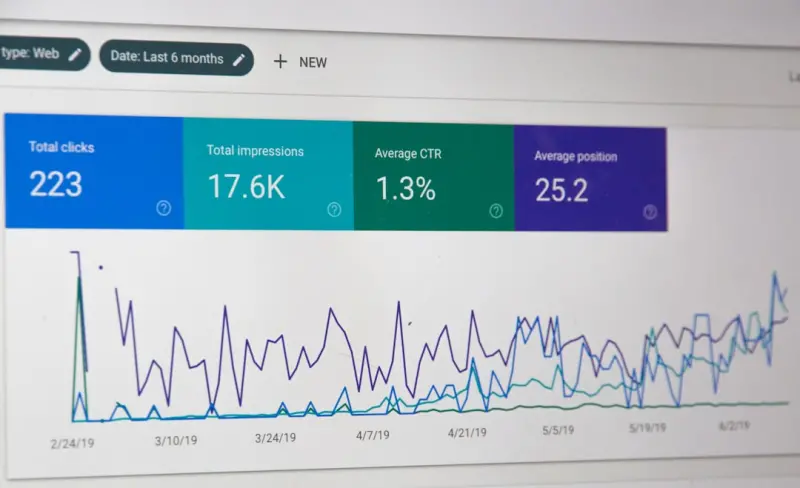
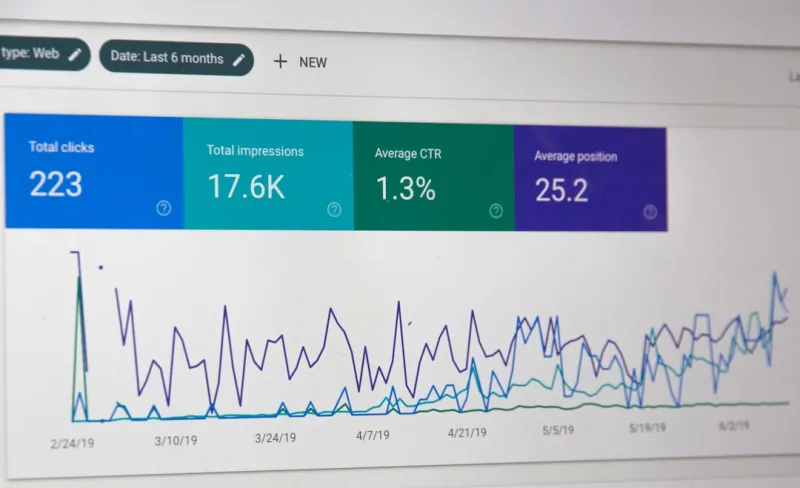
- Rich Snippet Click‑Through Rate. Track impressions and clicks for structured data results via Google Search Console.
- Engagement Metrics on Pillar Pages. Monitor average time on page, scroll depth, and conversion actions (e.g., demo requests) to gauge how well the content satisfies user intent.
When these metrics move upward, you know your semantic architecture is delivering value—both to users and to search engines.
Case Study: From Keyword Chaos to Semantic Clarity
One of our SaaS clients, a mid‑market HR platform, was struggling with fragmented traffic. Their blog covered everything from “employee onboarding” to “payroll tax compliance,” but the pages didn’t interlink meaningfully. Their organic sessions hovered around 8,000 per month with a high bounce rate.
We implemented a semantic overhaul:
- Created three pillar pages around “HR Automation,” “Employee Experience,” and “Compliance Management.”
- Developed supporting articles, each linked back to its respective pillar with descriptive anchor text.
- Added
SoftwareApplicationschema to the pricing and features pages. - Optimized the internal linking structure to prioritize pillar pages and reduced crawl depth to two clicks.
Six months later, the site’s organic traffic jumped to 22,000 monthly sessions—a 175% increase. Moreover, the bounce rate fell from 68% to 42%, and demo request conversions from organic traffic rose by 30%. The client now ranks in the top three positions for several high‑intent queries that previously eluded them.
Practical Checklist for SaaS Teams
Ready to put semantic SEO into motion? Use this checklist as your launchpad:
- Map buyer journeys. Identify the core problems your target personas face.
- Develop pillar pages. Each should cover a broad topic comprehensively.
- Create supporting content. Aim for 5–10 articles per pillar, each addressing a sub‑topic.
- Implement schema markup. Start with
SoftwareApplication,Product, andFAQPage. - Design an internal linking strategy. Use descriptive anchor text and maintain shallow depth.
- Audit crawl budget. Consolidate thin pages, prioritize pillars in sitemaps.
- Set up monitoring. Track topic authority, rich‑snippet CTR, and pillar engagement.
- Schedule quarterly refreshes. Keep content, markup, and links up to date.
By following these steps, you’ll transition from a keyword‑obsessed mindset to a semantic, user‑first SEO strategy that fuels sustainable SaaS growth.
Looking Ahead: The Future of Semantic SEO for SaaS
Artificial intelligence, large language models, and conversational search are reshaping how users discover solutions. Semantic SEO positions you to thrive in that future because it aligns your content with the way AI understands context. As search evolves from keyword matching to intent comprehension, the sites that have already built robust semantic foundations will dominate the SERPs—and the market.
In short, stop chasing individual keywords and start building a web of meaning that reflects the real problems your SaaS solves. The payoff isn’t just higher rankings; it’s qualified, intent‑rich traffic that converts into loyal customers.

Related Posts

Embracing the Shift: How to Future-Proof Your SEO Strategy
Stay ahead in the ever-changing world of SEO with the latest trends and strategies. Learn how to fut... Read More

Human‑Centric SEO: A Modern Playbook for Sustainable Rankings
Learn how to build a modern SEO strategy that puts real users first, balances technical health, and ... Read More
Agile SEO Experiments: Turning Data Into Ranking Wins
Learn a fresh SEO strategy that treats every optimization as a test, using real‑time data, structu... Read More
Top Posts

Mastering SEO for Voice Assistants: A Tactical Playbook
Learn how to adapt your SEO strategy for voice assistants with actionable tactics on content, technical tweaks, authority building, and the metrics that truly m...Read More
WordPress SEO Secrets: Boost Rankings with Human‑Centric Tactics
Learn the step‑by‑step strategy for blending empathetic content, technical excellence, and smart link building to make your WordPress site a reader‑first ...Read More

Decoding Google’s Latest Algorithm: An Empathy‑First Playbook for Modern SEOs
Explore the core shifts in Google’s latest algorithm, why empathy matters more than ever, and practical steps to align your SEO strategy with human‑focused ...Read More

Why User‑Generated Content Is the Secret Weapon for WordPress SEO
User‑generated content like reviews, forums, and Q&A sections creates fresh, authentic signals that search engines love. This post reveals why UGC is esse...Read More
0 Comments
Post Comment
You will need to Login or Register to comment on this post!