
Why Human‑Centric SEO Is the New WordPress Imperative
In the crowded landscape of plugins, themes, and endless optimization checklists, the real differentiator for a WordPress site is no longer just raw traffic numbers but the depth of connection it forges with real people, and that shift is why I, after years of dissecting rank‑driving tactics, now champion a human‑centric mindset that treats visitors as readers, not just clicks; this perspective forces us to ask how each piece of content, every meta description, and each heading can answer a user’s intent with genuine empathy, rather than merely ticking keyword boxes. When Google’s algorithms evolve to reward experience and satisfaction, the sites that survive are those that prioritize clarity, relevance, and a conversational tone that mirrors the way a human would naturally speak about a topic, and WordPress, with its flexible architecture, gives us the perfect sandbox to experiment with tone‑driven schema, interactive blocks, and personalized calls‑to‑action that feel less like robotic prompts and more like helpful suggestions from a trusted friend. By aligning the site’s technical backbone with this people‑first philosophy, we lay the groundwork for sustainable rankings that don’t crumble when search trends pivot, and that is precisely why I keep revisiting the core principles outlined in Human‑Centric WordPress SEO as my north star.
The Technical Foundations You Can’t Ignore
Even the most compelling storytelling will fall flat if the page loads slower than a snail on a rainy day, and that is why a rigorous focus on Core Web Vitals, server response times, and efficient image handling is non‑negotiable for any WordPress practitioner who wants to keep human‑centred SEO alive; I often start with a deep audit using tools like PageSpeed Insights and GTmetrix, then implement lazy loading, modern image formats such as WebP, and a well‑configured caching layer through plugins like WP Rocket or LiteSpeed, which together shave precious seconds off the load curve and dramatically reduce bounce rates. Structured data, especially FAQ and How‑To schema, acts as a bridge between the search engine’s understanding and the reader’s needs, allowing Google to surface rich snippets that answer questions before users even click, thereby amplifying the perceived relevance of your site and reinforcing the empathy‑first narrative you’re trying to convey. To cement this technical empathy, I also follow the guidance from Technical SEO Meets Human Empathy, which emphasizes that a clean, well‑coded theme, minimal render‑blocking scripts, and a logical hierarchy of headings are the silent heroes that let Google’s crawlers see the same user‑focused intent that a human reader experiences on the front end.
Content Strategies That Convert Readers into Fans
When the technical scaffolding is solid, the next step is to fill the site with content that speaks directly to the heart of your audience, and that begins with a shift from keyword stuffing to conversation crafting; I write each post as if I were answering a question from a friend over coffee, weaving in anecdotes, data points, and actionable takeaways that respect the reader’s time and intelligence, while still sprinkling strategic phrases that align with search intent, ensuring that the piece feels both authentic and discoverable. The rise of AI‑generated outlines can be a double‑edged sword, but by injecting personal insights, local references, and brand‑specific voice, we transform generic drafts into pieces that Google’s “Helpful Content” update rewards, because the algorithm now gauges whether the content was created for people first, not just for rankings, and this human‑centric approach also naturally encourages longer dwell times, lower pogo‑sticking, and higher social shares, all of which send positive signals back to the search engine. Moreover, internal linking plays a subtle yet powerful role in guiding readers through a curated journey; by linking related articles with descriptive, context‑rich anchor text, we not only boost page authority distribution but also reinforce the narrative thread that keeps visitors engaged, turning a solitary blog post into a cohesive ecosystem that feels like a personalized library rather than a scattered collection of pages.
Optimizing Site Architecture for Reader‑First Navigation
Beyond individual pages, the overall architecture of a WordPress site must be designed with the reader’s path in mind, and that means implementing clear, hierarchical menus, breadcrumb trails, and a logical URL structure that mirrors the mental model of a user seeking information; when visitors can intuitively predict where the next click will take them, they experience less friction, which translates into lower exit rates and higher conversion potential, especially on e‑commerce or lead‑gen sites where each step matters. I often recommend using a shallow depth of no more than three clicks from the homepage to any important content, leveraging categories and tags to group related posts, and employing a sitemap plugin that feeds both users and search engines a clean map of the site’s most valuable assets, thereby reinforcing the human‑centric promise of accessibility and ease. The combination of a well‑planned navigation system with fast load times and empathetic copy creates a virtuous cycle where users feel understood, stay longer, and signal to Google that the site delivers a high‑quality experience, ultimately boosting rankings in a way that aligns with the modern, people‑first SEO paradigm.
Leveraging Plugins Without Compromising Humanity
WordPress’s plugin ecosystem is a double‑edged sword; while it offers powerful tools for SEO, security, and performance, an over‑reliance on feature‑heavy extensions can bloat the codebase, introduce latency, and dilute the human‑centric experience I strive to deliver, so I adopt a minimalist philosophy: I select plugins that solve a specific problem, have a proven track record of lightweight performance, and integrate seamlessly with the theme’s design language, ensuring that the user’s journey remains smooth and uninterrupted. For instance, a well‑chosen SEO plugin can automate schema markup and meta‑tag generation without forcing the editor to manually insert code, freeing up time to focus on crafting compelling narratives, while a reputable image optimization plugin can compress media on the fly, preserving visual quality without sacrificing speed, both of which contribute to the empathetic promise of a fast, enjoyable site. Regular audits to deactivate and delete unused plugins further safeguard the site’s health, reinforcing the principle that every piece of technology should serve the reader’s needs, not the other way around, and that discipline is key to maintaining a site that feels both powerful and personable.
Human‑Centric Link Building in the Age of Empathy
Link building has long been viewed through the lens of authority and traffic, but today’s search landscape rewards links that arise from genuine relationships and shared value, and that is why I approach outreach as a conversation rather than a transaction, seeking partners whose audiences would truly benefit from the content I’m offering, and then crafting personalized pitches that highlight mutual interests, specific data points, or collaborative ideas, thereby increasing the likelihood of earning natural, editorially placed backlinks that signal trust to both users and search engines. Guest posts, collaborative webinars, and co‑authored research studies become vehicles for authentic endorsement when the underlying intent is to educate and inform, not merely to acquire link juice, and these human‑focused strategies tend to generate higher click‑through rates, longer engagement, and a cascade of social shares that amplify the original content’s reach, creating a ripple effect that reinforces the site’s credibility in the eyes of Google’s algorithm. By aligning link acquisition with empathy‑driven outreach, we transform a traditionally manipulative practice into a community‑building exercise that fuels sustainable SEO growth and strengthens the brand’s reputation as a trustworthy source.
Measuring Success Through the Lens of Human Experience
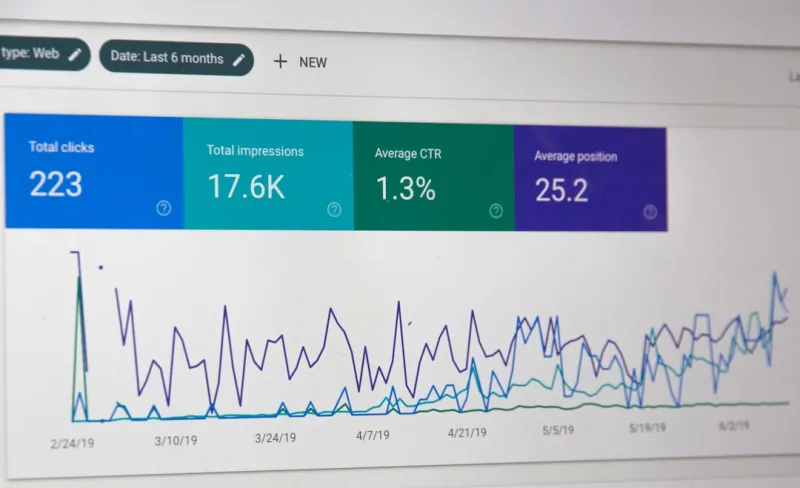
Traditional SEO metrics like organic traffic and keyword rankings still matter, but they tell only half the story; to truly gauge the impact of a human‑centric WordPress strategy, I supplement those numbers with user‑experience indicators such as average session duration, scroll depth, content interaction rates, and net promoter scores gathered through on‑site surveys, because these data points reveal how well the site is resonating with real people, and they provide actionable insights for continuous improvement. Heatmaps and click‑tracking tools help visualize where users hesitate or disengage, allowing us to refine headings, call‑to‑actions, and layout placements to better align with natural reading patterns, while conversion funnels that map the journey from first click to final goal highlight friction points that might otherwise be invisible in raw traffic reports. By interpreting analytics through an empathy‑first framework, we ensure that every optimization decision is rooted in enhancing the human experience, which in turn drives the organic signals that Google rewards, creating a feedback loop where better user satisfaction leads to higher rankings, and higher rankings bring more satisfied users.
Future‑Proofing Your WordPress Site with Continuous Empathy
SEO is not a set‑and‑forget discipline; as Google refines its algorithms and user expectations evolve, the only sustainable path forward is to embed a culture of continuous empathy into every layer of the WordPress site, from the codebase to the copy, and to stay vigilant about emerging trends that prioritize people over pure data; this means regularly revisiting content to update facts, refreshing design elements to match modern accessibility standards, and experimenting with new formats like interactive quizzes or short‑form video that meet audiences where they are consuming media. I also keep an eye on industry thought leaders and internal case studies, such as the insights shared in the Human‑Centric Content Marketing piece, to inspire fresh approaches that keep the brand voice authentic while remaining technically sound. In the end, the marriage of robust WordPress architecture with a heartfelt, reader‑first narrative not only positions the site for immediate ranking gains but also builds a resilient foundation that can adapt to any algorithmic shift, ensuring that the site remains a trusted destination for users and a top performer in search results for years to come.

Related Posts

From Gutenberg Blocks to SERP Gold: A Structured SEO Blueprint for WordPress
Discover a step‑by‑step strategy for using Gutenberg’s block editor to improve WordPress SEO, ... Read More

Mastering Topic Clusters on WordPress: A Tactical Guide for SEO Success
Discover a step‑by‑step WordPress strategy that uses pillar pages, taxonomy, and smart internal ... Read More

Unlocking WordPress’s Hidden SEO Arsenal: From Blocks to APIs
Explore a fresh WordPress SEO blueprint that blends Gutenberg schema, API‑driven sitemaps, AI edit... Read More
Top Posts
User Journey Mapping: A Fresh SEO Power Play
Learn how to map your visitor’s path, align content hubs, and use technical SEO to guide users from awareness to conversion—turning intent into authority an...Read More

Playful Planet: How Sustainable Toys Are Redefining Childhood Fun
Explore the rise of sustainable toys, their benefits, and practical tips for families to make greener play choices that nurture both imagination and the planet....Read More

Revolutionizing Social Media Advertising: A New Era of Engagement
Learn how to create engaging social media ad campaigns using collectible toys and technical SEO to connect with your target audience and drive conversions....Read More

The Evolution of Technical SEO: A Comprehensive Guide
Stay ahead of the curve in technical SEO with this comprehensive guide. Learn about mobile-first indexing, page speed, accessibility, and voice search optimizat...Read More
0 Comments
Post Comment
You will need to Login or Register to comment on this post!