
Why Human‑Centric SEO Matters for WordPress
WordPress powers more than a third of the web, yet many site owners still treat it like a technical checklist rather than a living conversation platform. When you shift the focus from “ranking for keywords” to “delighting real visitors,” the entire optimization process transforms, inviting higher engagement, lower bounce rates, and ultimately more sustainable rankings. Human‑centric SEO is not a buzzword; it’s a philosophy that aligns the technical strengths of WordPress with the emotional needs of your audience, turning every page into a trusted dialogue rather than a cold sales pitch.
The Foundations: Themes, Plugins, and the Human Touch
Choosing a theme is the first act of storytelling, because the visual language sets the emotional tone before a single word appears on the screen. A lightweight, accessible theme that prioritizes readability signals that you care about the visitor’s experience, which in turn reduces friction and encourages deeper interaction. Likewise, plugins should be evaluated not just for functionality but for how they contribute to a seamless, human‑first journey—think schema generators that explain your content to search engines in plain language, or comment moderation tools that foster respectful conversation without overwhelming the reader.
Technical SEO Needs a Human‑Centric Reset
Even the most beautiful WordPress site can falter if the underlying code blocks search engines from understanding its value. A human‑centric technical audit starts by asking, “What would a real person need to find this information quickly and trust it?” This mindset leads you to prioritize clean URL structures, logical heading hierarchies, and concise meta tags that read like helpful summaries rather than keyword stuffing. For a deeper dive, see the guide Why Technical SEO Needs a Human‑Centric Reset, which outlines practical steps to align your code with user intent without sacrificing performance.
Crafting Empathetic Content on WordPress
Content is the heartbeat of any WordPress site, and empathy is its pulse. When you write with the reader’s challenges, hopes, and questions in mind, you create pieces that resonate, get shared, and earn natural backlinks. Use the block editor to break up dense text with headings, quotes, and call‑to‑action blocks that speak directly to the visitor, inviting them to continue the conversation. Remember, the goal is not to rank for a single keyword but to become the go‑to resource that people trust, which search engines reward through higher dwell time and lower pogo‑sticking.
Strategic Internal Linking That Serves People First
Internal links are the veins that circulate value throughout your WordPress site, and a human‑centric approach maps them according to the reader’s journey rather than SEO convenience. Begin by identifying cornerstone articles that solve core problems for your audience, then link related posts in a way that feels like a natural recommendation from a helpful friend. Below is a quick checklist to guide your internal linking strategy:
- Link from high‑authority pages to newer, valuable content.
- Use descriptive anchor text that tells users exactly what to expect.
- Limit the number of links per page to avoid overwhelming the reader.
- Update old posts with fresh links to keep the content ecosystem alive.
For an example of a holistic internal linking framework, explore Unlocking WordPress SEO: A Human‑Centric Playbook for Modern Marketers, which demonstrates how strategic linking can boost both usability and rankings.
Schema Markup That Speaks Human Language
Structured data helps search engines translate your content into rich results, but it should do so in a way that feels conversational to the end user. Implementing FAQ schema, for instance, lets you present common questions and concise answers directly in the SERP, delivering immediate value before the visitor even clicks. When adding schema in WordPress, choose plugins that allow you to write the markup in plain English, then preview how it will appear to both bots and humans. This alignment ensures that your snippets are not only technically correct but also genuinely helpful, increasing click‑through rates and reinforcing your brand’s empathy.
Performance: Speed as a Form of Respect
Page load time is the silent handshake that either welcomes or alienates a visitor; a delay of even one second can feel like a breach of trust. WordPress offers numerous performance tools—caching plugins, image optimization, and lazy loading—that, when configured with the user in mind, demonstrate respect for their time. Prioritize core web vitals such as Largest Contentful Paint (LCP) and Cumulative Layout Shift (CLS) because they directly impact perceived reliability. By coupling speed enhancements with clear, human‑first messaging, you create a harmonious experience where technical excellence amplifies emotional connection.
Link Building That Honors Real Relationships
Traditional link building often feels transactional, but a human‑centric strategy treats each backlink as a partnership built on shared values. Reach out to sites whose audiences align with yours, propose collaborative content that solves a mutual problem, and personalize every email to show you’ve done your homework. When you earn a link, it’s not just a ranking boost; it’s a vote of confidence from a peer who believes your content adds genuine worth to their community. For insights on modern link acquisition, read Link Building in the Age of Human‑Centric SEO, which outlines tactics that keep authenticity at the forefront.
Putting It All Together: Your Human‑Centric WordPress Roadmap
Integrating human‑centric principles into WordPress SEO is a continuous, iterative process that starts with empathy and ends with measurable impact. Begin by auditing your theme and plugins for accessibility, then refine technical foundations with a user‑first mindset, craft content that answers real questions, and weave internal links that guide readers naturally through your site. Layer in schema, boost performance, and pursue ethical link building, and you’ll see not only higher rankings but also stronger brand loyalty. Remember, the ultimate goal is to create a site that feels like a helpful companion, inviting visitors to return, share, and become advocates for your message.

Related Posts
Voice Search Optimization: A WordPress Playbook for Conversational Rankings
Voice search is reshaping how users find content. This guide walks you through WordPress‑specific ... Read More

Gutenberg Blocks: The New SEO Frontier for WordPress
Learn how to turn Gutenberg blocks into powerful SEO assets—using structured patterns, internal li... Read More
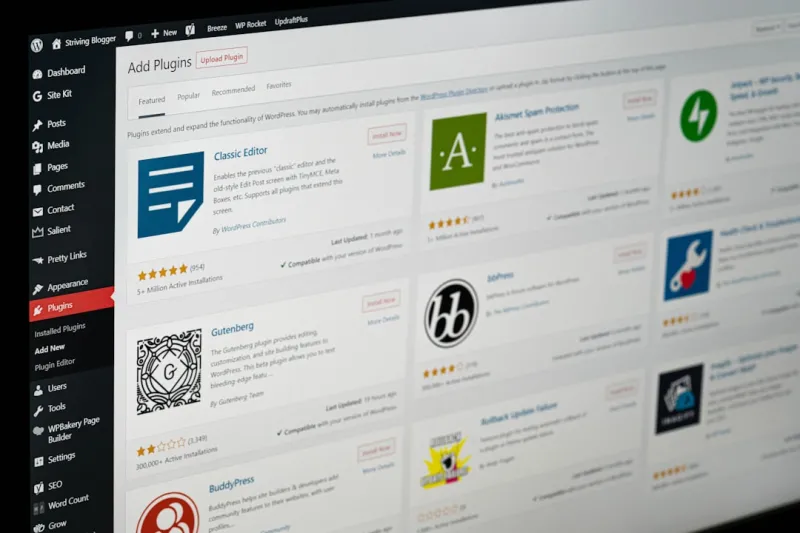
Unlocking the Power of WordPress SEO: A Comprehensive Guide
Learn the latest WordPress SEO trends, strategies, and best practices to optimize your website and d... Read More
Top Posts
From Hypothesis to Headline: Building a Content Experimentation Engine for SaaS Growth
Discover how to shift your SaaS content strategy from static publishing to a rapid‑cycle experimentation mindset, using real customer signals, measurable hypo...Read More

From Idea to Impact: A Creator’s Blueprint for Sustainable Content Production
A practical guide for creators seeking a balanced workflow that fuels ideas, leverages data, and keeps the creative spark alive while delivering impact....Read More

Conversational Ads: Turning Messaging Apps Into Revenue Engines
Learn why messaging apps are the next frontier for social media ads, and how to craft conversational campaigns that convert, retain, and build brand loyalty....Read More

Revolutionizing Link Building: Strategies for Success in a Changing Landscape
Link building requires a strategic and nuanced approach. Learn how to prioritize quality, leverage content-driven link building, and adapt to the evolution of S...Read More
0 Comments
Post Comment
You will need to Login or Register to comment on this post!