

Why WordPress Still Leads the SEO Charge
When I first cut my teeth on WordPress back when blogs were the new frontier, I never imagined the platform would evolve into the SEO powerhouse it is today, powering everything from niche hobby sites to multi‑million‑dollar e‑commerce empires; this evolution is not accidental but the result of a relentless community that constantly refines themes, plugins, and core code to align with search engine expectations. Over the years I’ve watched Google’s algorithms grow more sophisticated, rewarding sites that prioritize user intent, page speed, and structured data, and WordPress has kept pace by offering built‑in capabilities like REST API endpoints, schema markup generators, and a flexible templating system that lets developers embed critical SEO signals without a single line of code. The secret sauce? A marriage of human‑centric design and technical rigor that lets anyone—from a solo blogger to a Fortune‑500 marketing team—craft experiences that both users and crawlers love, and that’s why I’m convinced that mastering WordPress SEO is the single most impactful skill any modern marketer can acquire.
The Foundations: Human‑Centric On‑Page Optimization
At the heart of any successful WordPress SEO strategy lies the on‑page experience, and I always start by asking: “What does my reader truly need, and how can I deliver it in a way that feels natural, authoritative, and instantly useful?” This mindset mirrors the principles outlined in the On‑Page SEO Mastery guide, where the emphasis shifts from keyword stuffing to crafting content that answers questions before the user even asks them, supported by clear headings, concise meta tags, and contextual internal linking that guides the reader deeper into the site. In WordPress, leveraging built‑in block editors and schema‑aware plugins means you can embed rich snippets, FAQ accordions, and breadcrumb trails with just a few clicks, dramatically improving click‑through rates from SERPs while keeping the codebase clean and future‑proof.
Technical Foundations: Speed, Crawlability, and Structured Data
Speed isn’t just a nice‑to‑have; it’s a ranking factor that directly impacts bounce rates, and WordPress makes it easier than ever to shave precious milliseconds off load times through lazy loading, image optimization, and content delivery networks that integrate seamlessly with popular themes; I always run a PageSpeed Insights audit after any major change to verify that the Core Web Vitals remain within Google’s sweet spot. Crawl budget, once a concern only for massive sites, now matters to every WordPress owner because inefficient routing or duplicate content can waste valuable Googlebot cycles, so I routinely audit the robots.txt file, XML sitemaps generated by plugins like Yoast, and the canonical tags that keep search engines focused on the right URLs. Structured data is the third pillar—by adding JSON‑LD markup for articles, products, and events directly via Gutenberg blocks or dedicated schema plugins, you give Google a clear semantic map of your content, which not only boosts visibility in rich results but also reinforces the human‑centric narrative that modern SERPs favor.
Content Strategy: Marrying Storytelling with SEO
Great content on WordPress isn’t just about word count; it’s about weaving a story that resonates, educates, and compels action, and that philosophy is captured perfectly in the Human‑Centric SEO Playbook, where the author emphasizes empathy, relevance, and authority as the three pillars of sustainable rankings; I apply this by mapping each piece of content to a specific user intent stage—awareness, consideration, or decision—and then layering in data‑driven insights from keyword research and audience personas. The block editor’s reusable blocks become my storytelling toolkit, allowing me to drop in consistent call‑to‑action modules, testimonial carousels, and interactive quizzes that keep dwell time high and reduce pogo‑sticking. Moreover, I make sure every post is part of a broader silo structure, linking related articles through contextual internal links that not only guide readers but also signal topical relevance to search engines, creating a virtuous cycle where quality content fuels higher rankings and higher rankings attract more engaged readers.
Plugin Power: Choosing the Right Tools Without Overloading
WordPress’s plugin ecosystem is both a blessing and a curse; while it offers powerful SEO extensions that can automate schema, manage redirects, and generate sitemaps, each added plugin introduces potential performance overhead and security risk, so I adopt a minimalist philosophy—only install plugins that solve a specific, high‑impact problem and that are regularly updated by reputable developers. My go‑to stack includes a lightweight SEO suite that handles meta tags, social sharing, and breadcrumb markup, a caching plugin that serves static files to reduce server load, and an image optimizer that compresses uploads without sacrificing visual fidelity; together, they form a lean yet robust foundation that supports rapid page rendering and clean code. I also make a habit of periodically auditing my plugin list, disabling any that have overlapping functionality or low usage, because a clean codebase not only improves speed but also makes troubleshooting easier when Google’s algorithm updates introduce new ranking signals.
Measuring Success: From Rankings to Real‑World Impact
Tracking SEO performance on WordPress goes beyond simply watching keyword positions; I tie each metric back to business outcomes by integrating Google Analytics, Search Console, and, when applicable, e‑commerce platforms to monitor organic traffic, conversion rates, and revenue attribution, ensuring that the SEO effort is directly linked to ROI; this data‑driven approach allows me to spot trends, such as a sudden drop in click‑throughs that might indicate a broken rich snippet or a new competitor outranking us for a high‑value term. Heatmaps and session recordings add another layer of insight, revealing how users interact with page elements, where they scroll, and what calls‑to‑action generate the most clicks, which informs iterative tweaks to layout and copy. Ultimately, the goal isn’t just higher rankings but a sustainable flow of engaged visitors who trust your brand, and by consistently aligning technical health, content relevance, and user experience, you create a feedback loop that continuously improves both search visibility and business performance.
Future‑Proofing: Adapting to Algorithm Shifts with a Human Lens
Google’s algorithm is a living organism that evolves to better understand human intent, and the most resilient WordPress sites are those built on a foundation of human‑centric SEO principles that can adapt without massive overhauls; I keep a close eye on industry publications, attend webinars, and participate in community forums where emerging trends—like the rise of AI‑generated content and the growing importance of E‑E‑A‑T (Experience, Expertise, Authoritativeness, Trustworthiness)—are dissected and discussed. When a new update rolls out, I first audit core signals—page speed, mobile friendliness, structured data accuracy—before diving into content tweaks, because Google’s core algorithm still heavily rewards sites that deliver fast, secure, and accessible experiences to users across devices. By maintaining a flexible theme architecture, using child themes for customizations, and adopting headless WordPress where appropriate, I ensure that any future changes—whether they involve new schema types or novel ranking factors—can be implemented quickly and safely, keeping the site ahead of the curve.
Community and Collaboration: Leveraging the WordPress Ecosystem
One of the most underappreciated aspects of WordPress SEO is the power of community collaboration; from local meetups to global conferences, sharing case studies, plugin recommendations, and troubleshooting tips accelerates learning and uncovers hidden optimization opportunities that might otherwise remain undiscovered. I actively contribute to open‑source SEO plugins, submitting patches that improve schema handling or add new content analysis features, because giving back not only strengthens the ecosystem but also deepens my own understanding of how search engines parse WordPress output. Additionally, partnering with content creators, designers, and developers through cross‑functional sprints ensures that SEO is woven into the fabric of each project from day one, rather than being an afterthought, resulting in cohesive experiences that delight both users and crawlers alike.
Final Thoughts: The Human‑Centric SEO Journey on WordPress
In my experience, the most successful WordPress SEO strategies are those that treat search engines as guides to human value rather than gatekeepers of traffic; by focusing on speed, relevance, structured data, and a storytelling mindset that respects the reader’s journey, you build a site that naturally earns trust, authority, and sustainable rankings. The tools and tactics may evolve—new plugins, updated algorithms, shifting user expectations—but the core philosophy remains unchanged: deliver genuine, useful, and accessible content that satisfies real human needs, and the rankings will follow. So whether you’re launching your first blog or scaling a multi‑site network, remember that WordPress gives you the canvas; the brushstrokes come from a human‑centric approach that blends technical excellence with authentic storytelling, and that combination is the true engine of long‑term SEO success.

Related Posts
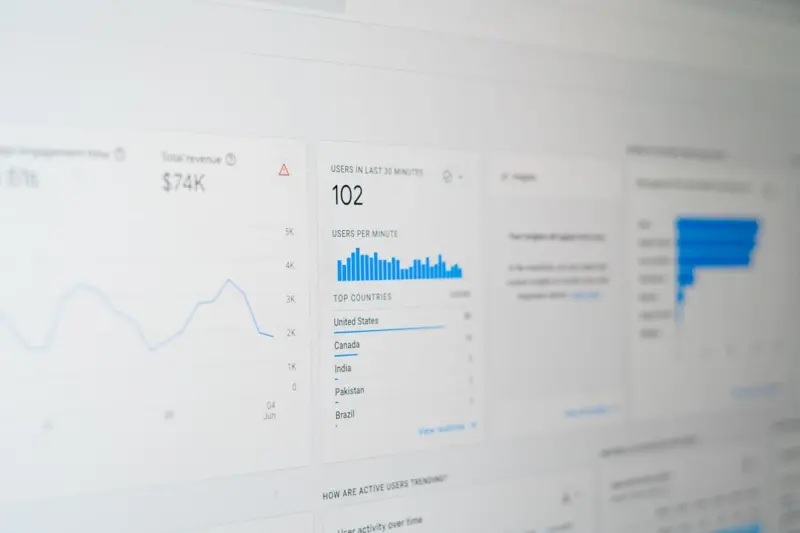
Gutenberg Meets Google: Unleashing WordPress SEO on Steroids
Learn how to transform Gutenberg blocks into powerful SEO assets—covering schema markup, smart int... Read More

Turning WordPress Into a Voice‑Search Powerhouse
A step‑by‑step guide that shows WordPress owners how to capture voice‑search traffic through c... Read More

Mastering Topic Clusters on WordPress: A Tactical Guide for SEO Success
Discover a step‑by‑step WordPress strategy that uses pillar pages, taxonomy, and smart internal ... Read More
Top Posts
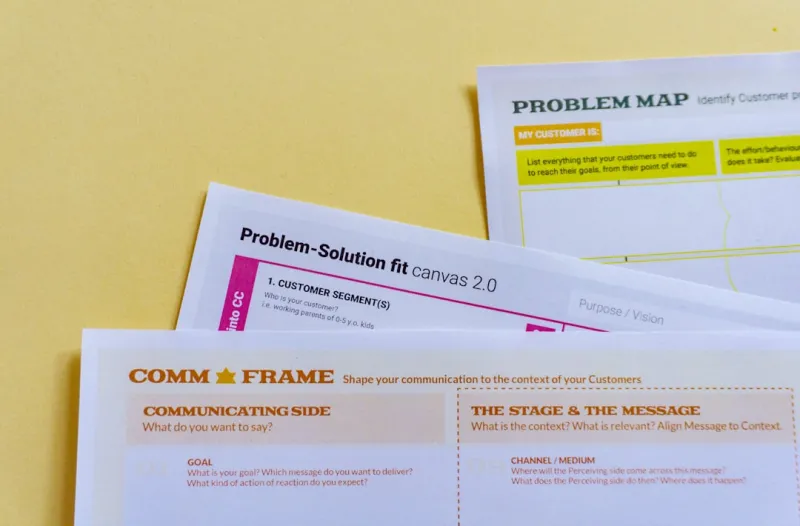
Empathy-First Content Strategy: Why Listening Beats Algorithms
Learn why listening to your audience, not just data, is the secret to a content strategy that ranks higher, converts better, and fosters genuine brand loyalty....Read More

Turn Your SaaS Docs Into an SEO Powerhouse
Discover why SaaS documentation should be optimized for search, how to build semantic clusters, use structured data, and turn help center pages into high‑impa...Read More

Unlocking LinkedIn SEO: Empathy‑First Strategies That Drive Real Visibility
Learn how to transform your LinkedIn profile into a high‑ranking, lead‑generating asset using empathy‑first SEO strategies, keyword research, and relation...Read More
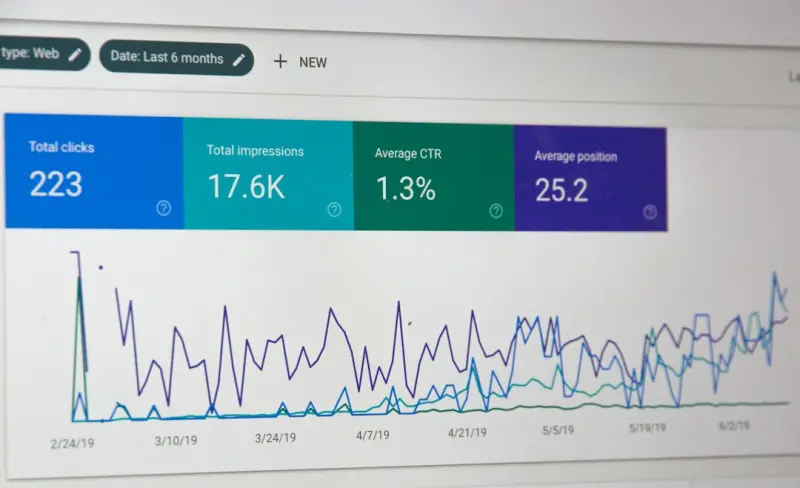
From Feature Launches to Search Rankings: A SaaS‑Centric SEO Playbook
Discover how to treat each SaaS feature as a searchable asset. This guide walks you through aligning product roadmaps with search intent, building SEO‑ready p...Read More
0 Comments
Post Comment
You will need to Login or Register to comment on this post!