

Why “Topic Clusters” Matter More Than Ever for SaaS Brands
When I first stepped into the world of SaaS marketing, the mantra was “keywords = traffic.” Over time I’ve watched the algorithmic pendulum swing from pure keyword matching to intent, from siloed pages to holistic content ecosystems. The truth that emerged is simple: search engines now reward depth, relevance, and semantic cohesion. That’s why I’ve devoted the last six months to building what I call a semantic topic cluster engine—a systematic, data‑driven framework that turns a scattered blog, help center, and product pages into a single, authority‑rich organ.
The Core Concept: One Pillar, Many Satellites
A topic cluster starts with a pillar page—the ultimate guide that answers the “big question” in your niche. Around that pillar sit satellite articles that dive into sub‑topics, each linked back to the pillar and to each other. The result is a web of content that signals to Google (and users) that you own the subject.
For SaaS, the pillar could be “The Complete Guide to Customer Lifecycle Management,” while satellites might explore “Onboarding Automation Best Practices,” “Churn Prediction Models,” and “Renewal Email Templates.” Each satellite answers a specific intent, but together they form a comprehensive knowledge hub.
Step 1: Mapping Real Business Intent, Not Just Search Volume
Most SEO planners start with a keyword list. I start with business intent. Ask yourself:
- What problems are our prospects solving when they land on our site?
- Which product features do we want to highlight in the buyer’s journey?
- Where do we see friction in the conversion funnel?
By aligning the cluster’s theme with a stage of the buyer’s journey, you guarantee that every satellite article serves a purpose beyond ranking—it nudges a lead toward the next step.
Step 2: Mining Semantic Data with Modern Tools
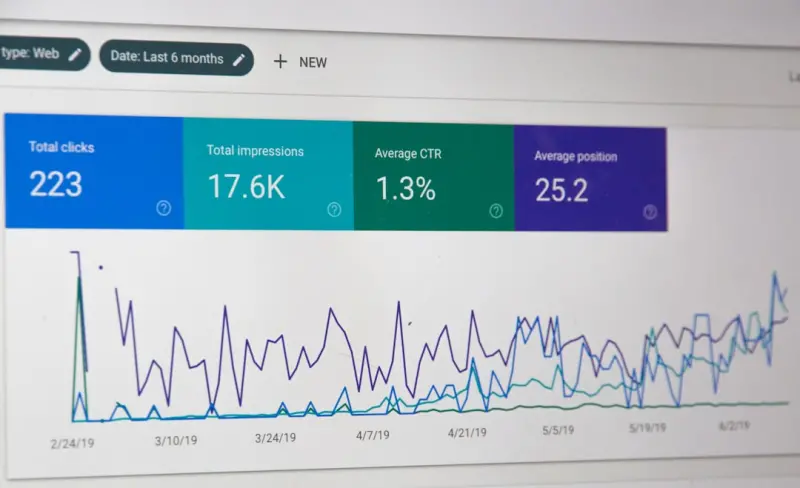
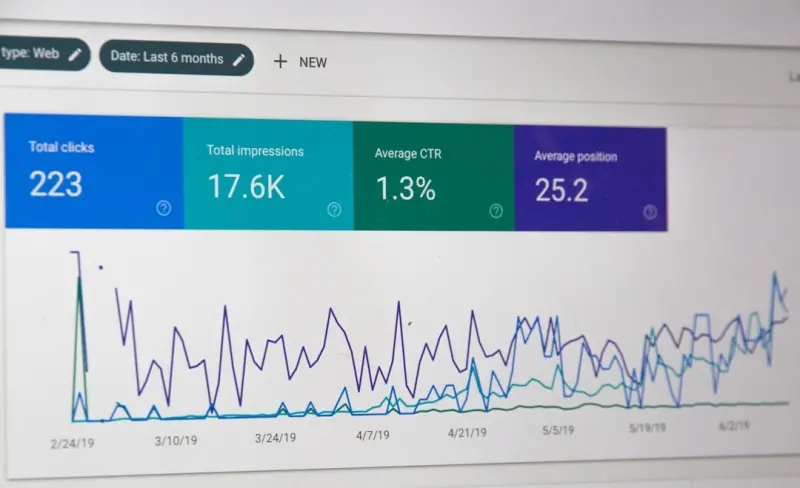
Keyword tools still have a role, but they’re most useful for discovering semantic cousins—terms that share the same topical umbrella. Use Google’s Search Console to pull queries that already bring users to your site. Then feed those queries into a clustering algorithm (even a simple k‑means tool) to see natural groupings.
Another goldmine is AnswerThePublic, which surfaces question‑based variations that often map to satellite ideas. The goal is to surface clusters of intent rather than isolated keyword fragments.
Step 3: Defining the Pillar – The “Authority Anchor”
When you’ve identified a high‑value thematic group, draft a pillar outline that covers:
- Definition and scope of the topic.
- Key challenges SaaS users face.
- Core concepts that tie directly to your product’s value proposition.
- Links to the satellite articles you’ll create.
Make the pillar long‑form (2,500‑3,500 words) and include structured data such as FAQPage and HowTo schema to give search engines a clear semantic map of the content.
Step 4: Crafting Satellites That Speak Directly to User Questions
Each satellite should answer a single, narrow question. Keep them between 800‑1,200 words, and embed:
- Real‑world use cases from your own customers (this is where the customer success playbook can feed valuable anecdotes).
- Data points, screenshots, or short demo videos.
- Clear calls‑to‑action that align with the funnel stage (e.g., “download the onboarding checklist” for early‑stage leads).
Remember, the satellite’s job isn’t just to rank—it’s to move a prospect deeper into the funnel.
Step 5: Intent‑Driven Internal Linking—Connecting the Dots
Internal linking is the circulatory system of your cluster. Every satellite must link back to the pillar using anchor text that reflects the satellite’s specific focus (“how to reduce churn with predictive analytics” linking back to the pillar). Conversely, the pillar should feature a “Read More” section that points to each satellite with descriptive, intent‑rich anchors.
Studies show that intent‑driven internal linking can increase dwell time by up to 30% and signal to Google that the pillar is a definitive resource. For a deeper dive on linking strategy, see The Power of Intent‑Driven Internal Linking for SaaS On‑Page SEO.
Step 6: Optimizing for Crawl Efficiency
SaaS sites often have large documentation libraries and product pages that can overwhelm Google’s crawl budget. By consolidating related content into clusters, you reduce duplicate signals and give crawlers a clear hierarchy to follow. Prioritize the pillar in your XML sitemap and set a higher priority flag for it. Satellite pages can inherit a moderate priority, ensuring they’re still indexed without draining the budget.
For a full technical deep‑dive, refer to the Crawl Budget Blueprint—it offers practical steps for SaaS environments with heavy API documentation.
Step 7: Measuring Success—Beyond Rankings
Traditional SEO metrics (rankings, organic traffic) are still important, but with clusters you should also track:
- Engagement flow: How many users move from a satellite to the pillar and then to a product demo request?
- Conversion lift: Compare lead‑gen rates before and after the cluster launch.
- Authority signals: Monitor inbound links to the pillar; a well‑structured cluster often attracts natural backlinks from industry blogs.
Set up a custom dashboard in Google Data Studio that visualizes these funnel‑centric KPIs. When you see a steady rise in “satellite‑to‑pillar” sessions, you know the semantic web is working.
Step 8: Scaling the Engine—From One Cluster to a Whole Ecosystem
After you’ve proven the model with a flagship pillar (e.g., “Customer Lifecycle Management”), replicate the process for other high‑impact themes such as “Product‑Led Growth Metrics” or “Security Compliance for SaaS.” Over time, you’ll build a lattice of interconnected clusters that collectively signal domain authority to search engines.
Don’t forget to revisit older clusters periodically. Update the pillar with new data, add fresh satellites, and re‑optimize internal links. This “cluster hygiene” keeps the engine humming and prevents content decay.
Common Pitfalls and How to Avoid Them
- Over‑optimizing anchor text: Use natural language rather than exact‑match keywords.
- Creating thin satellites: Every satellite must stand on its own—if it feels like a paragraph of the pillar, hold off until you have more depth.
- Ignoring user intent drift: Search intent evolves. Schedule quarterly audits to ensure each cluster still matches what users are asking.
- Neglecting technical health: Broken links or slow page speed can undo the benefits of a well‑structured cluster. Run regular Site Audits.
Final Thoughts: Turning Content Chaos into an Authority Engine
In a SaaS landscape where product releases and feature updates happen at lightning speed, content can quickly become a tangled mess. A semantic topic cluster engine gives you a strategic scaffold—one that aligns SEO, product messaging, and the buyer’s journey in a single, scalable architecture.
When you invest time in mapping business intent, building robust pillars, and weaving intent‑driven internal links, you’re not just chasing rankings—you’re building a sustainable traffic engine that feeds qualified leads directly into your sales funnel.
Ready to give your SaaS site the authority it deserves? Start with a single pillar, map your satellites, and watch the organic momentum build—one semantic connection at a time.

Related Posts
Agile SEO Experiments: Turning Data Into Ranking Wins
Learn a fresh SEO strategy that treats every optimization as a test, using real‑time data, structu... Read More

SEO Meets Account‑Based Marketing: A Tactical Roadmap for B2B SaaS
Learn a step‑by‑step approach to integrate SEO into your ABM strategy, from building target acco... Read More
Zero‑Click SEO: Winning Visibility for SaaS
Zero‑click search is reshaping the SEO landscape for SaaS. This post outlines why visibility witho... Read More
Top Posts

Privacy‑First Mobile SEO: Building Trust While Climbing the Rankings
Learn privacy‑first mobile SEO tactics that balance user trust and rankings, from data minimization to secure site signals....Read More

Conversational On‑Page SEO: Turning Pages into Voice‑Ready Assets
Discover a fresh, conversation‑first approach to on‑page SEO that equips SaaS pages to answer voice queries, leverage advanced schema, and boost organic vis...Read More

Social Media as a Live Product Lab for SaaS
Treat social platforms as a live product lab: experiment with hypotheses, gather real‑time feedback, prototype in‑platform, and close the loop to turn socia...Read More

Technical SEO Meets Human Empathy: A Modern Reset
Discover why technical SEO must shift from robot‑only focus to a human‑centric approach, blending speed, structure, and empathy for superior rankings and us...Read More
0 Comments
Post Comment
You will need to Login or Register to comment on this post!