

Why WordPress SEO Needs a Human‑First Lens
When I first migrated a client’s blog from a static site to WordPress, I expected a quick technical win, but the real breakthrough arrived when I started listening to real visitor intent. Search engines reward relevance, but relevance is defined by people, not algorithms, so the moment I shifted from purely data‑driven tweaks to an empathy‑first mindset, traffic patterns changed dramatically. In this post I’ll walk you through the exact steps that transformed a modest site into a thriving hub, all while staying true to the human experience that drives lasting rankings.
Empathy‑First Keyword Discovery for WordPress
Traditional keyword tools give you volume, but they don’t tell you why a user is searching, what emotions are at play, or what problems they hope to solve. I begin every WordPress project by diving into community forums, comment sections, and social mentions, extracting the language that real people use when they describe their pain points. By mapping those phrases to long‑tail queries, you create a keyword map that feels natural in copy, reduces bounce rates, and signals to Google that you truly understand the audience. This approach is the foundation of my Empathy‑First WordPress SEO blueprint, where every term is chosen for its human resonance, not just its search volume.
Technical Foundations Built for Humans
WordPress offers powerful plugins, but a site can still stumble if the technical underpinnings ignore user experience. I audit schema, site speed, and crawl efficiency through a lens that asks: “Will this element help a visitor find what they need quickly?” For example, lazy‑loading images improves load times, but only when you ensure critical visuals are visible above the fold for mobile users. The result is a site that feels fast and reliable, which Google rewards with higher rankings. My deeper dive into this philosophy is detailed in the Empathy‑First Technical SEO guide, where data is transformed into human‑centric performance metrics.
Crafting Content That Listens and Ranks
Content on WordPress should feel like a conversation, not a sales pitch. I start each piece by summarizing the core question a visitor asked, then I structure the article to answer it step‑by‑step, using headings that mirror the user’s mental model. Adding real‑world examples, anecdotes, and even occasional humor builds trust, while strategic placement of target keywords keeps the copy SEO‑friendly. When the content aligns with the reader’s journey, dwell time increases and pogo‑sticking drops, sending clear signals to search engines that the page is valuable. This methodology ties directly into my broader Empathy‑First Content Strategy, which turns listening into loyal audiences.
Link Building That Earns Respect
Backlinks remain a cornerstone of WordPress authority, yet many SEO professionals chase links without considering relevance or relationship quality. I adopt an empathy‑first outreach model: I first research the target site’s audience, understand its content gaps, and then propose a collaboration that fills those gaps meaningfully. By offering guest posts, co‑created resources, or data‑driven case studies, the link becomes a natural extension of shared value rather than a forced endorsement. This approach not only yields higher‑quality backlinks but also fosters long‑term partnerships that amplify brand credibility. For a step‑by‑step framework, see my guide on Empathy‑First Link Building, where every link resonates with both humans and search engines.
Mobile‑First Design as a Trust Builder
With the majority of WordPress traffic arriving from smartphones, a mobile‑first design isn’t optional—it’s a trust signal. I ensure that responsive themes prioritize readable fonts, tap‑friendly buttons, and fast load times on cellular networks. Beyond speed, I audit the mobile experience for accessibility, confirming that alt text, ARIA labels, and contrast ratios meet WCAG standards, which also pleases Google’s mobile‑first index. These subtle human‑focused enhancements reduce friction, encourage deeper engagement, and ultimately improve rankings. To stay ahead of evolving expectations, I keep an eye on the latest Mobile SEO Trends that put users first.
Local SEO with a Community‑Centric Approach
For WordPress sites serving regional audiences, local SEO is an opportunity to become a neighborhood authority. I map local search intent by analyzing community forums, local news, and event calendars, then weave those insights into title tags, schema markup, and geo‑specific content. Encouraging satisfied customers to leave reviews on Google My Business and integrating those testimonials on the site builds social proof that resonates with both nearby users and search algorithms. This human‑centric tactic is the heart of my Unlocking Local SEO Success playbook, turning neighborhoods into loyal traffic sources.
Measuring Success with Human‑Focused Metrics
Traditional SEO dashboards show impressions, clicks, and rankings, but they miss the nuance of user satisfaction. I complement those metrics with engagement signals like scroll depth, time on page, and conversion pathways that reflect genuine interest. Setting up custom events in Google Analytics to track actions such as “downloaded guide” or “watched video” provides a clearer picture of how well the WordPress site fulfills visitor needs. When these human‑centric KPIs rise in tandem with organic rankings, it confirms that empathy‑first strategies are delivering real business value, not just fleeting algorithmic wins.
Take the Next Step: Humanize Your WordPress SEO
If you’re ready to move beyond generic checklists and embed empathy into every layer of your WordPress site, start with a simple audit of your audience’s language and intent. Replace keyword stuffing with conversational phrasing, tighten technical performance for real users, and pursue backlinks that feel like genuine endorsements. Remember, the most sustainable SEO growth comes from building trust, delivering value, and speaking directly to the people behind the search queries. Let’s transform your WordPress presence into a human‑centric powerhouse that ranks, resonates, and retains.

Related Posts
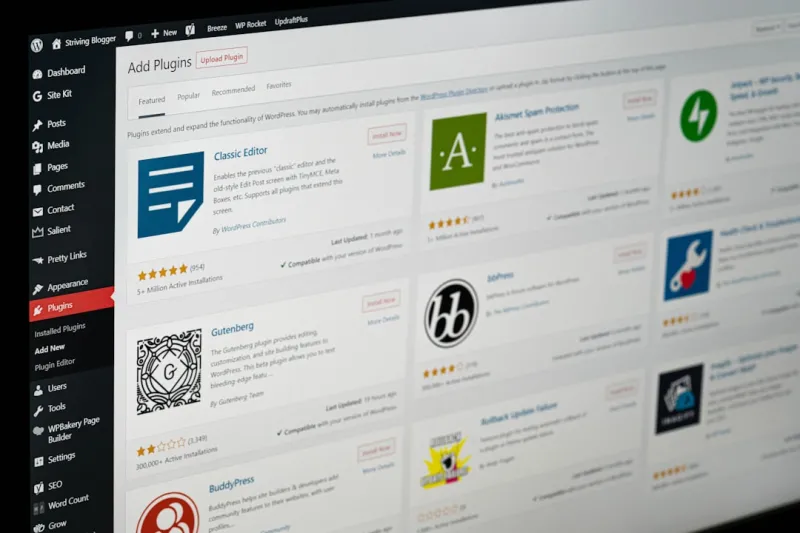
Unlocking the Power of WordPress SEO: A Comprehensive Guide
Learn the latest WordPress SEO trends, strategies, and best practices to optimize your website and d... Read More

Empathy‑First WordPress SEO: Turning Users into Loyal Fans
Learn why empathy, not just keywords, is the key to WordPress SEO success. Explore human‑first tac... Read More

Turning WordPress Into a Voice‑Search Powerhouse
A step‑by‑step guide that shows WordPress owners how to capture voice‑search traffic through c... Read More
Top Posts

Mobile SEO Mastery: Strategies to Win the Mobile‑First Game
Discover cutting‑edge mobile SEO tactics—from Core Web Vitals to voice search—crafted with an empathy‑first mindset to boost rankings, speed, and user d...Read More
Embracing the Future of SEO: Strategies to Stay Ahead of the Curve
Stay ahead of the curve in SEO by embracing the latest trends and techniques. Learn how to adapt your strategies to the changing landscape and improve your onli...Read More

Inclusive On‑Page SEO: Merging Accessibility and Rankings
This article explains why accessibility is a powerful on‑page SEO lever, offering practical steps—from semantic HTML to alt text, keyboard navigation, and r...Read More

Data‑Driven Internal Linking: Unlocking WordPress SEO Potential
A data‑driven internal linking strategy transforms WordPress sites into well‑connected hubs, helping search engines crawl efficiently, passing link equity, ...Read More
0 Comments
Post Comment
You will need to Login or Register to comment on this post!