

When most SaaS marketers talk about on‑page SEO, the conversation often spirals into generic checklists: “add a keyword, write a meta description, sprinkle some H2s.” Those tactics are useful, but they’re the tip of a much deeper iceberg. In my experience, the real differentiator is an evidence‑based, iterative approach that treats each page as a living experiment rather than a static artifact.
Why a Data‑First Audit Beats the “One‑Size‑Fits‑All” Playbook
Imagine you’ve just rolled out a new feature in your product. You publish a blog post, update a landing page, and announce it on social. Six weeks later, traffic spikes, but conversions are flat. The classic answer? “Your SEO is weak.” The reality is often more nuanced: the page may be ranking, but it isn’t aligning with the exact intent of the visitors it’s attracting.
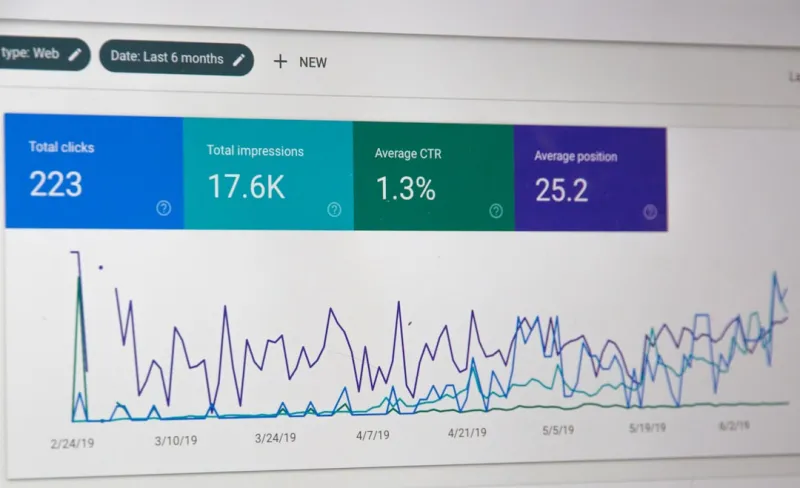
The first step, then, is a thorough content audit that goes beyond surface‑level metrics. Pull raw data from Google Search Console, Core Web Vitals reports, and your own analytics platform. Look for patterns such as:
- High impressions, low click‑through rate (CTR): The page appears in SERPs but the snippet isn’t compelling.
- Strong CTR, high bounce rate: Users click, but the page fails to satisfy their need.
- Pages with “fluctuating” rankings: Those are often the low‑authority pages that could be fortified with internal signals.
From there, you can prioritize which pages deserve a deep‑dive based on traffic potential and business impact. This is the foundation of a scientific, evidence‑based SEO workflow.
Mapping Keywords to Real User Intent
Most SaaS companies start with a list of target keywords derived from product terminology. The mistake is treating those keywords as static labels. Intent evolves, especially as your audience matures from “what is X?” to “how do I integrate X with Y?”
Use a three‑column matrix to classify each keyword:
- Informational – Users seeking education or industry insights.
- Navigational – Users looking for a specific brand or product page.
- Transactional – Users ready to evaluate pricing, demos, or free trials.
Once you’ve assigned intent, revisit every on‑page element—title tag, meta description, H1, and even the first 100 words—to ensure they speak the same language as the user’s goal. If a page targets a “transactional” keyword, the copy should surface value propositions, pricing cues, or demo CTAs early on.
Semantic HTML: The Unsung Hero of On‑Page SEO
Search engines have become adept at parsing the structure of a page, not just the words it contains. Proper semantic markup tells crawlers what each section means, allowing them to surface richer snippets.
Key semantic tags to incorporate:
<header>and<nav>for primary navigation.<main>to wrap the core content, ensuring that auxiliary elements don’t dilute relevance.<article>for blog posts or knowledge‑base entries, paired with<section>for logical sub‑topics.<aside>for supporting material such as related resources or CTAs.<footer>for contact info, schema, and internal links.
When you pair semantic tags with API documentation as SEO gold, you create a clear hierarchy that both users and bots can follow. This not only improves rankings but also boosts accessibility, a factor that increasingly influences page experience scores.
Structured Data: Turning Raw Content into Rich Results
Schema markup is the bridge between raw HTML and the rich snippets that dominate the SERP real estate. For SaaS, the most valuable types include:
- SoftwareApplication – Highlights pricing, operating system compatibility, and user reviews.
- FAQPage – Turns a Q&A block into an expandable accordion directly on Google.
- HowTo – Ideal for tutorials that walk prospects through implementation steps.
Implementation tip: generate JSON‑LD dynamically from your CMS fields. That way, every new feature release automatically inherits the correct schema without manual copy‑pasting. Validate your markup with Google’s Rich Results Test to avoid costly errors.
Internal Linking Architecture: The Quiet Powerhouse
Internal links are the circulatory system of your site. They pass link equity, guide crawlers, and shape user journeys. Yet many SaaS sites treat internal linking as an after‑thought, sprinkling a handful of “related articles” widgets at the bottom of pages.
Adopt a tiered linking model:
- Hub pages – Core product or solution pages that serve as authority anchors.
- Spoke pages – In‑depth blog posts, case studies, or whitepapers that support the hub.
- Micro‑spokes – Short FAQ entries or feature snippets that link back up to spokes.
Use contextual anchor text that reflects the target page’s primary keyword. Avoid generic “click here” links; they dilute relevance. A well‑structured internal network can boost lower‑ranking pages by 10‑20% in just a few weeks.
Page Experience Signals: Beyond Speed
Core Web Vitals have become the baseline, but there’s a broader suite of page‑experience metrics that influence rankings and conversion rates:
- Interaction Readiness – How quickly does a CTA become clickable after the page loads?
- Visual Stability – Avoid layout shifts that push a demo form off‑screen.
- Content Readability – Font size, line length, and contrast affect dwell time.
Run periodic audits with tools like Lighthouse or WebPageTest. Capture baseline scores, prioritize fixes (e.g., lazy‑load images, defer non‑critical JavaScript), and re‑measure. The data loop—measure, adjust, re‑measure—mirrors the same scientific rigor you apply to keyword performance.
Image Optimization: The Hidden SEO Lever
Images are often an afterthought, but they can influence both SEO and user perception. Follow this checklist for every visual asset:
- Compress using modern formats (WebP, AVIF) without sacrificing quality.
- Resize to the exact dimensions needed on the page.
- Provide descriptive, keyword‑rich
altattributes. - Implement
srcsetfor responsive delivery across devices. - When appropriate, add
schema.org/ImageObjectmarkup for product screenshots.
Well‑optimized images improve load times (affecting Core Web Vitals) and provide additional textual signals for crawlers.
Content Freshness: Turning Static Pages into Living Assets
Search engines reward content that demonstrates ongoing relevance. For SaaS, product pages can become stale quickly as features evolve. Implement a “content freshness calendar” that flags pages for review after each major release cycle.
During each refresh, ask:
- Has the headline been updated to reflect the newest value proposition?
- Do the meta description and schema still match the page’s primary keyword?
- Are there new customer success metrics or case studies to embed?
- Can we add a short video walkthrough to increase dwell time?
This systematic approach ensures that high‑traffic pages remain competitive without requiring a full rewrite every quarter.
Conversion‑Centric Copy: SEO Meets CRO
On‑page SEO should never exist in a vacuum. The ultimate goal is to move a prospect down the funnel. Align SEO copy with conversion‑rate‑optimization (CRO) principles:
- Benefit‑first headlines: “Accelerate Your Sales Pipeline in 30 Days” speaks louder than “Sales Automation Software.”
- Social proof: Embed micro‑testimonials or logos near the top to reinforce credibility.
- Clear CTAs: Use action verbs and avoid vague language like “Learn More.”
- Progressive disclosure: Show high‑level benefits first; let curious users click for deeper technical details.
When SEO and CRO are harmonized, you’ll notice not just higher rankings, but higher qualified leads per visitor.
Measuring Success: The KPI Dashboard That Matters
After implementing evidence‑based tweaks, you need a dashboard that tells a story, not just raw numbers. Combine these metrics:
- Organic Sessions – Overall traffic trend.
- Average Position for Target Keywords – Shows ranking movement.
- Organic Conversion Rate – Direct link between SEO and revenue.
- Engagement Metrics (Dwell Time, Scroll Depth) – Indicate content relevance.
- Core Web Vitals Scores – Confirm page‑experience health.
Set quarterly goals for each KPI and compare against a baseline established before the audit. The data will reveal which on‑page changes delivered the biggest lift, allowing you to double down on proven tactics.
Putting It All Together: A Sample Workflow
- Data Pull: Export SERP impressions, clicks, and average position from Search Console.
- Intent Classification: Tag each keyword with intent (informational, navigational, transactional).
- Page Audit: For each high‑potential page, audit semantic HTML, schema, internal links, and Core Web Vitals.
- Optimization Sprint: Implement fixes in a staged rollout—start with schema, then internal linking, then copy adjustments.
- Post‑Implementation Review: After two weeks, measure KPI shifts; document learnings.
- Iterate: Feed insights back into the next batch of pages.
This cyclical process ensures that on‑page SEO evolves alongside your product, your audience, and the search engine algorithms.
Final Thought: SEO as a Product Feature
Think of on‑page SEO not as a marketing afterthought but as a built‑in feature of your SaaS product experience. Just as you’d iterate on a UI component based on user feedback, you should treat every page element—headlines, schema, image tags—as a component that can be measured, tested, and improved. When you adopt this evidence‑based mindset, SEO stops being a “nice‑to‑have” and becomes a reliable growth engine.
If you’re looking for a concrete example of turning technical content into SEO gold, check out the strategies we used to transform API documentation as SEO gold. The principles are identical: data‑driven, user‑intent focused, and relentlessly iterative.
Start with a single page, run the audit, and watch the ripple effect across your entire site. In the fast‑moving SaaS landscape, the teams that blend scientific rigor with creative storytelling will own the SERPs—and the revenue that follows.

Related Posts

Beyond Keywords: Crafting an On‑Page Experience That Google Loves
Learn fresh on‑page SEO tactics—speed, mobile design, content freshness, structured data, and in... Read More

Why On‑Page SEO Should Feel Like a Conversion Funnel
A fresh take on on‑page SEO: treat each page as a funnel that aligns keyword intent, content depth... Read More

Personalized On‑Page SEO: Serving the Right Content to the Right Searcher
Discover how to move beyond static SEO tactics by using data‑driven content variations that match ... Read More
Top Posts

The Human‑Centric Blueprint for a Modern Content Strategy
Learn how to craft a content strategy that puts people first—combining empathy, data, and SEO for authentic engagement and lasting results....Read More

Semantic HTML & Accessibility: The Hidden On‑Page SEO Engine
Learn why semantic HTML and accessibility are powerful, often‑overlooked levers for on‑page SEO, and get a step‑by‑step checklist to future‑proof your...Read More
Staying Ahead of the Curve: The Future of SEO and How to Adapt
The world of SEO is constantly evolving. Stay informed about the latest trends and best practices to ensure your website remains visible and competitive. Learn ...Read More
Semantic Site Architecture: A WordPress SEO Playbook
Discover how to transform your WordPress site into a semantic powerhouse with strategic taxonomy, schema markup, and internal linking, driving higher rankings a...Read More
0 Comments
Post Comment
You will need to Login or Register to comment on this post!