

Playful Innovation: The Secret Sauce Behind Modern Toy Brands
When I was a kid, my most prized possessions weren’t the latest gadgets or the flashiest sneakers—they were the toys that made me feel like I could bend reality with my imagination. Fast‑forward a few decades, and that same spark of wonder is now a strategic asset for toy companies that want to stay relevant in a world dominated by screens, sustainability concerns, and hyper‑connected kids.
Playful innovation isn’t just a buzzword; it’s the intersection where creativity, technology, and responsibility meet. It’s the moment a wooden train set learns to talk to your smartphone, or a plush bunny is crafted from recycled ocean plastic without sacrificing that soft, cuddle‑worthy feel. In this article, I’ll walk you through the five pillars that are redefining the toy landscape, share real‑world examples, and show you how brands can harness this momentum without losing the soul of play.
The Rise of Experience‑First Play
Gone are the days when a toy’s success was measured solely by its shelf‑life or the number of plastic pieces it contained. Today, children (and the adults buying for them) crave experiences. They want toys that evolve, that tell stories, and that integrate seamlessly into the digital ecosystems they already inhabit.
- Dynamic storytelling: Toys now come with app‑driven narratives that adapt to a child’s choices, offering endless replay value.
- Augmented reality (AR) layers: A simple puzzle can transform into an interactive galaxy when viewed through a phone, turning a static activity into a multimodal adventure.
- Community‑driven play: Online forums and user‑generated content let kids share custom designs, challenges, and achievements, turning solitary play into a social phenomenon.
Brands that prioritize these experience‑first principles are seeing higher engagement rates and stronger brand loyalty. It’s no longer enough to sell a product; you must sell a world that kids want to return to.
Sustainability: The New Playroom Standard
Parents are increasingly scrutinizing the environmental impact of the toys they bring home. A recent survey showed that over 70% of millennial parents consider a brand’s sustainability practices before purchasing. This isn’t a fleeting trend—it's a paradigm shift.
Here’s how leading toy makers are stepping up:
- Material innovation: From plant‑based plastics derived from corn starch to biodegradable cardboard constructions, manufacturers are swapping out traditional petroleum‑based components for greener alternatives.
- Circular design: Some brands now offer “toy‑take‑back” programs, where worn‑out toys can be returned for recycling or refurbished for resale, extending the product lifecycle.
- Transparent supply chains: By leveraging blockchain, companies can provide real‑time visibility into where raw materials are sourced, building trust with eco‑conscious families.
When sustainability becomes part of the core product narrative, it resonates on an emotional level—children feel proud to play with something that’s good for the planet, and parents feel good about their purchase. The win‑win is palpable.
Tech Integration Without Overcomplicating
Technology can be a double‑edged sword in the toy industry. While AI, IoT, and AR offer exciting possibilities, over‑engineered toys risk alienating both kids and parents who simply want fun, reliable play. The sweet spot lies in purposeful integration—adding tech only when it genuinely enhances the play experience.
Consider these best‑practice guidelines:
- Intuitive interfaces: Toys should be operable with minimal instructions. Think of a robot that learns from a child’s gestures rather than a complex remote control.
- Privacy by design: With kids’ data at stake, any connected feature must be built on robust privacy frameworks, giving parents peace of mind.
- Seamless offline fallback: If batteries die or Wi‑Fi drops, the toy should still offer a satisfying offline experience. This redundancy ensures play continues regardless of technical hiccups.
By following these principles, brands can avoid the pitfalls of “gadget‑only” toys that feel more like expensive calculators than sources of joy.
Human‑Centric Design: Learning from Unexpected Sources
One surprising source of inspiration for toy designers is the world of human‑centric design. While originally a concept from digital marketing, its core tenet—placing the end‑user’s needs, emotions, and context at the forefront—translates beautifully to the realm of play.
When designers adopt a human‑centric lens, they ask questions like:
- What tactile sensations does a child crave?
- How does the toy fit into a family’s daily routine?
- What stories does the child want to tell through this object?
Answering these leads to products that feel personal rather than generic. For instance, a building block set that allows kids to scan pieces and instantly receive custom building challenges taps into the child’s desire for both creativity and achievement. The result is a product that feels like a conversation starter, not just a static object.
The Power of “Zero‑Click” Play Moments
In the digital advertising world, zero‑click experiences refer to content that satisfies a user’s query instantly, without them needing to click through. In the toy sector, this concept can be reimagined as “zero‑friction” moments of delight.
Imagine a child walking past a shelf and, through subtle lighting or a soft sound cue, instantly feeling drawn to a toy—no need for flashy packaging or loud commercials. Brands can achieve this by:
- Smart packaging: Using QR codes that, when scanned, trigger a short AR preview of the toy in action.
- In‑store sensory triggers: Integrating gentle scents or tactile textures that invite hands‑on interaction.
- Micro‑storytelling on the box: Brief, evocative narratives that spark imagination before the toy is even opened.
These zero‑friction cues turn browsing into instant emotional connection, increasing the likelihood of purchase and, more importantly, of sustained engagement after the sale.
Community‑Driven Play: The Rise of User‑Generated Toy Content
Children are natural creators. Platforms that let them showcase their customizations, challenges, or “toy hacks” have become hotbeds of organic brand advocacy. By fostering a community where kids (and parents) can share videos, photos, and ideas, brands tap into a powerful feedback loop that fuels product iteration and marketing alike.
Successful case studies include:
- A modular robot kit that encourages users to post their own inventions on a dedicated hashtag, resulting in thousands of fan‑made designs that inspire new product releases.
- A storytelling doll line where families upload bedtime stories featuring the dolls, creating a library of user‑generated narratives that the brand can feature in its own campaigns.
The key is to make contribution easy—simple upload tools, clear community guidelines, and incentives like featured spots or limited‑edition accessories.
Future‑Proofing: Balancing Timelessness with Trendiness
While it’s tempting to chase every fleeting fad, the most enduring toys strike a balance between classic appeal and contemporary relevance. Think of the humble wooden train set—still beloved after generations—now upgraded with subtle digital enhancements that don’t eclipse its core charm.
To future‑proof a toy line, consider:
- Modular architecture: Design components that can be added or upgraded over time, extending the product’s lifespan.
- Story flexibility: Offer narratives that can be expanded with downloadable content, keeping the brand fresh without replacing the physical toy.
- Cross‑generational appeal: Ensure that parents can also find value—whether through nostalgic design cues or collaborative play features.
When a toy feels both familiar and novel, it becomes a staple in households, passed down and cherished across years.
Actionable Steps for Toy Brands Ready to Play
If you’re a product manager, marketer, or founder in the toy space, here’s a concise roadmap to embed playful innovation into your next launch:
- Conduct empathy workshops: Bring together kids, parents, and designers to map out real play scenarios.
- Prototype with sustainability in mind: Source at least one eco‑friendly material for every prototype iteration.
- Integrate technology sparingly: Ask “What problem does this tech solve?” before adding a sensor or app.
- Leverage human‑centric design principles: Prioritize tactile feedback, intuitive interaction, and emotional resonance.
- Design for zero‑friction discovery: Use sensory cues and micro‑storytelling to draw shoppers in.
- Build a community platform: Enable user‑generated content and reward participation.
- Plan for modular upgrades: Ensure future expansions are easy to adopt without requiring a full product replacement.
By following this playbook, you’ll create toys that not only capture imaginations today but also evolve with them tomorrow.
In the end, the magic of toys lies in their ability to transform ordinary moments into extraordinary adventures. When brands honor that magic through thoughtful innovation, sustainability, and community, they don’t just sell a product—they nurture the next generation of dreamers.

Related Posts
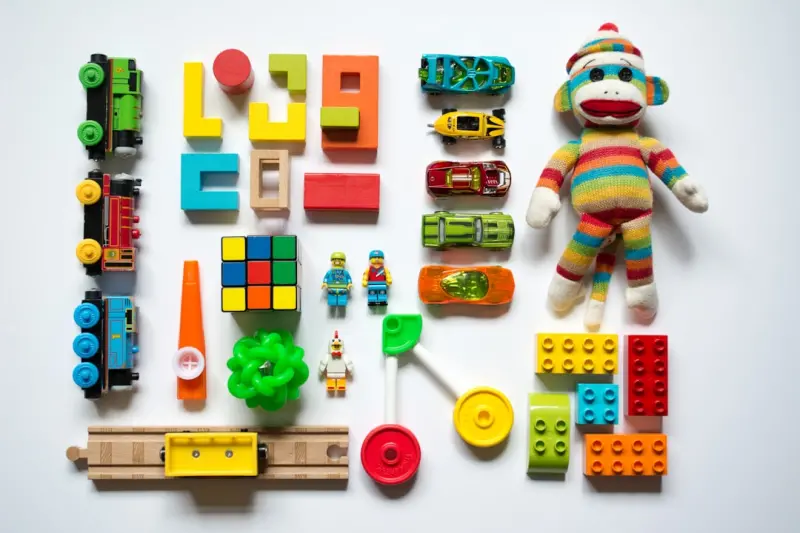
When Toys Get Smart: How AI is Rewriting Playtime
A deep dive into the rise of AI-powered toys, examining their impact on child development, parental ... Read More
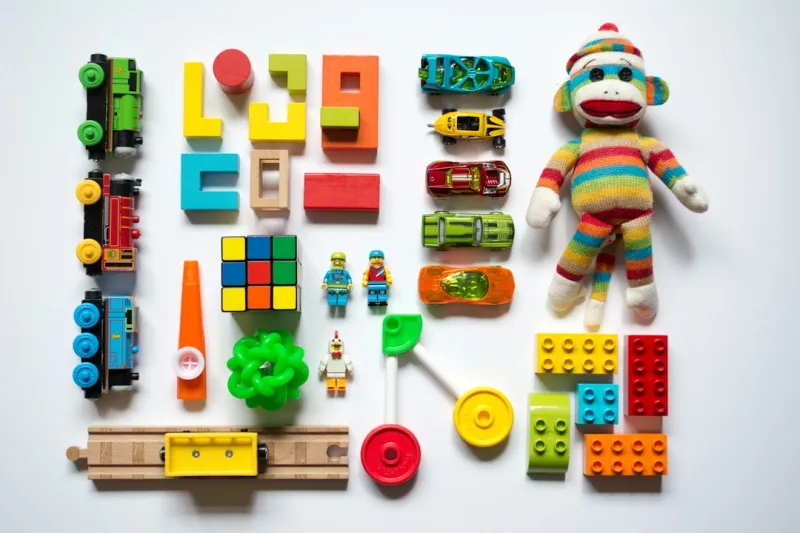
The Resurgence of Retro Toys: Why Collectible Toys Are Making a Comeback
Retro toys are making a comeback, and collectible toys are leading the way. Learn why nostalgia and ... Read More
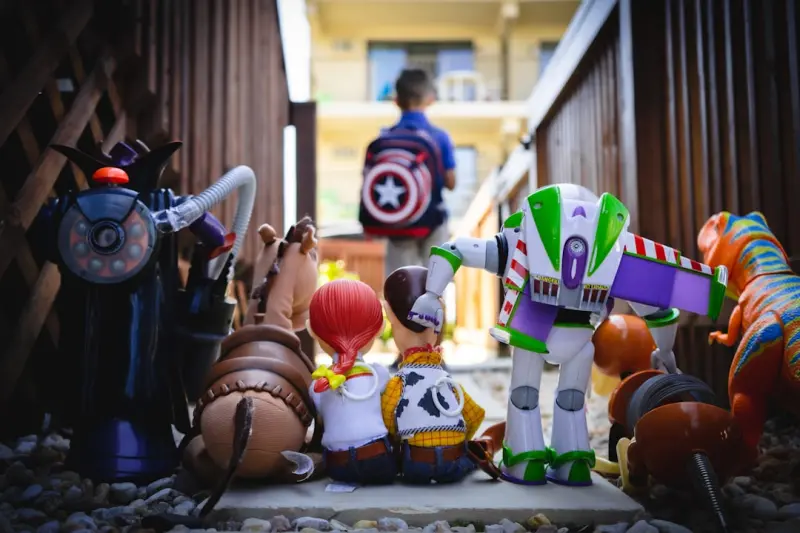
The Timeless Magic of Physical Toys in a Screen-Driven World
Physical toys still hold the key to imagination, language growth, and family connection in a digital... Read More
Top Posts

Narrative Architecture: Building a Cohesive Content Blueprint for SaaS Growth
Discover the concept of narrative architecture—a blueprint that turns scattered SaaS content into a cohesive, conversion‑driving story, complete with action...Read More

The Untapped Power of Strategic Link Building for SaaS Growth
Link building for SaaS has evolved beyond outdated tactics. This post reveals how data‑driven assets, employee advocacy, and targeted outreach can earn highâ€...Read More

Crafting a Narrative‑First Content Strategy That Drives Growth
Discover why placing your brand’s narrative at the heart of your content plan outperforms checklist tactics, and get a step‑by‑step guide to building a co...Read More

Why a Content Experience Strategy Beats Traditional Content Marketing
A content experience strategy turns static assets into interactive journeys, aligning intent, storytelling, and real‑time feedback to boost engagement, shorte...Read More
0 Comments
Post Comment
You will need to Login or Register to comment on this post!