
The Toy Library Revolution: Community Play Hubs Are Changing How Kids Grow
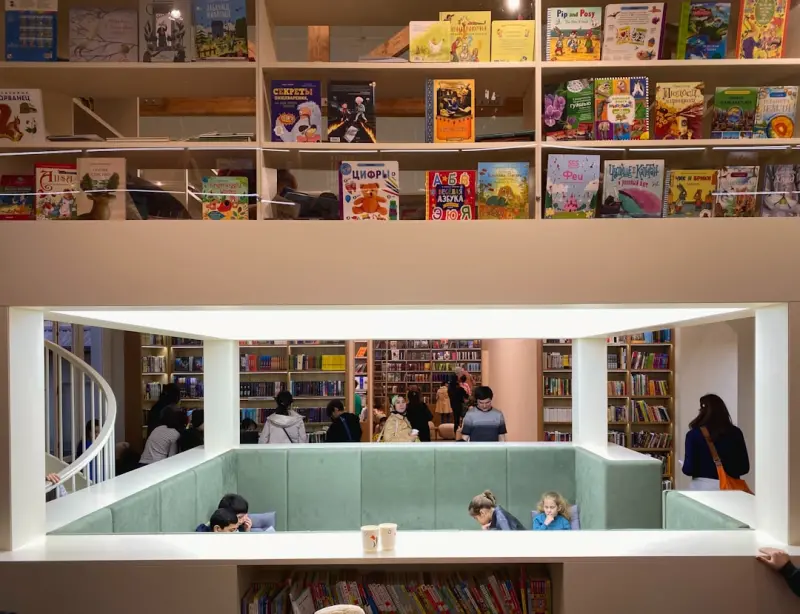
When I was a kid, the neighborhood corner store was my personal treasure chest. A handful of plastic dinosaurs, a battered yo‑yo, and the occasional action figure were enough to fuel weeks of imagination. Fast forward a few decades, and the same kids—now adults—are watching their own children stare at the same handful of mass‑produced toys, often wondering why the magic feels so fleeting. I’ve spent the last few years watching a subtle but powerful shift: the rise of toy libraries, community‑driven spaces where families can borrow, exchange, and co‑create with a rotating catalog of playthings.
It’s not just a cute fad; it’s a fundamental rethinking of how we view ownership, sustainability, and learning through play. In this piece, I’ll unpack the forces driving the toy library movement, explore its impact on child development, and share practical steps for parents, educators, and community leaders who want to bring this model to life in their own neighborhoods.
Why Borrow When You Can Own?
The idea of borrowing toys might sound counter‑intuitive in a culture that celebrates “collect them all.” Yet, three core motivations are converging to make borrowing not only sensible but desirable:
- Economic flexibility. A single high‑quality playset can cost hundreds of dollars, and many families find themselves juggling multiple children with different interests. Renting or borrowing lets parents test trends without breaking the bank.
- Environmental stewardship. Production of plastic toys contributes significantly to landfill waste. By sharing resources, communities can dramatically cut down the number of toys that are manufactured, shipped, and eventually discarded.
- Developmental diversity. Children thrive when they explore varied play experiences. A rotating inventory ensures fresh stimuli—building blocks one month, a science kit the next—keeping curiosity alive.
These motivations echo themes explored in Sustainable Toys: Redefining Play for a Greener Future, but the toy‑library model pushes the concept further by institutionalizing sharing as a community practice rather than an occasional eco‑friendly purchase.
The Anatomy of a Modern Toy Library
A successful toy library is more than a shelf of plastic; it’s a curated ecosystem that balances logistics, education, and community spirit. Here’s a quick breakdown of the essential components:
- Inventory Management System. Digital catalogues allow members to browse, reserve, and check out items online. Many libraries use open‑source library management software, customizing it to track age appropriateness, condition, and loan periods.
- Curated Collections. The most effective libraries group toys by developmental stage, theme, and learning outcome. A “STEM Exploration” shelf might feature magnetic tiles, simple robotics kits, and nature‑based discovery sets, while a “Storytelling Corner” offers puppets, costume pieces, and illustrated books.
- Community Workshops. Regular events—like “Build‑Your‑Own‑Robot” evenings or “DIY Musical Instruments” Saturdays—transform static borrowing into active learning. These workshops also serve as feedback loops, informing future acquisitions based on what families love.
- Maintenance Protocols. Toys endure wear and tear. A routine cleaning schedule, inspection checklist, and repair kit keep the collection safe and functional. Some libraries even partner with local makerspaces for refurbishment.
For those looking to blend technology with play, there’s an intriguing cross‑over with digital experiences. In The AI Playbook: How Smart Toys Are Redefining Childhood, the author highlights how smart toys can collect usage data to personalize learning. Toy libraries can adopt a similar approach—using anonymized checkout data to identify which categories spark the most enthusiasm, then fine‑tuning their collection accordingly.
Impact on Child Development: What the Research Says
Beyond the logistical and environmental benefits, toy libraries deliver measurable developmental gains. A handful of recent studies have illuminated these effects:
- Enhanced Social Skills. Shared play environments foster negotiation, turn‑taking, and empathy. Children learn to collaborate on a borrowed construction set, navigating both the mechanics of the toy and the dynamics of peer interaction.
- Improved Cognitive Flexibility. Rotating toys challenge children to adapt to new rules and mechanics regularly, strengthening executive functions such as problem‑solving and mental flexibility.
- Increased Exposure to Diverse Play. By accessing a broad spectrum of toys, children encounter varied cultural narratives and STEM concepts, broadening their worldview from an early age.
One longitudinal study followed families who regularly used a community toy library for three years. The researchers noted a 15% increase in language development scores compared to a control group, attributing the boost to the frequent storytelling activities facilitated by the library’s rotating book and puppet collections.
From Hobbyist to Community Anchor: Real‑World Success Stories
Across the country, small towns and bustling cities alike are embracing the toy library model. Here are three snapshots that illustrate the breadth of its potential:
1. The Greenfield Community Hub
Located in a mid‑size Midwest town, the Greenfield hub started as a modest “toy swap” night at the local library. Within a year, it secured a dedicated space, a $50,000 grant from a regional foundation, and a volunteer board of parents. Today, the library houses over 2,000 items, ranging from wooden puzzles to coding kits, and sees 400 unique checkouts each month. Their most popular program? “Story Builders,” where families co‑create narratives using a mix of figurines and printable storyboards.
2. Urban Play Loft in San Diego
In a densely populated urban district, a former warehouse was transformed into the “Urban Play Loft.” This space operates on a subscription model, offering members unlimited monthly checkouts for a flat fee. By partnering with local tech startups, the loft integrates augmented reality (AR) overlays that add a digital layer to physical toys, creating hybrid play experiences. Their AR‑enhanced puzzle sets have become a hit among tech‑savvy parents looking for a balance of tactile and screen‑based interaction.
3. Rural Outreach Program in Appalachia
A nonprofit organization launched a traveling toy library that visits remote mountain communities via a converted school bus. The program not only provides toys but also conducts workshops on building toys from locally sourced materials—think hand‑crafted wooden cars or knitted dolls. By embedding cultural craftsmanship into play, the initiative preserves regional heritage while delivering modern developmental benefits.
Getting Started: A DIY Guide for Community Leaders
If you’re inspired to bring a toy library to your neighborhood, here’s a step‑by‑step blueprint to get the ball rolling:
- Assess Community Interest. Host a pop‑up toy swap or a focus group with parents, teachers, and local business owners. Gather data on preferred toy categories, potential membership fees, and volunteer willingness.
- Secure a Space. Look for underutilized rooms in schools, community centers, or libraries. Even a modest 200‑square‑foot room can serve as a pilot location.
- Develop a Funding Plan. Explore grants from foundations focused on education, sustainability, or community development. Consider crowdfunding campaigns that offer early‑bird memberships as incentives.
- Build the Initial Inventory. Start with a curated mix of timeless classics (building blocks, wooden puzzles) and modern, educational toys (science kits, simple robotics). Solicit donations from families looking to declutter.
- Implement a Management System. Choose an open‑source library software, customize it for toy tracking, and train volunteers on check‑in/check‑out procedures.
- Launch with a Community Event. Organize an open house featuring hands‑on stations where families can try out the toys. Use this event to collect feedback and fine‑tune your catalog.
- Iterate and Grow. Track usage metrics (which toys are most popular, average loan duration) and adjust inventory accordingly. Introduce themed workshops based on demand.
Addressing Common Concerns
Every new initiative meets skepticism. Below are the most frequent objections and practical responses:
- “What about hygiene?” Implement a strict cleaning protocol: each item receives a wipe‑down with child‑safe disinfectant after every return. For high‑contact items, consider UV‑light sanitation boxes.
- “Will toys get damaged?” Accept that wear is inevitable, but mitigate by rotating fragile items less frequently, offering “premium” tiers for high‑value toys, and maintaining a repair fund.
- “Is this financially viable?” Membership fees, modest late fees, and occasional grant cycles can sustain operations. Many libraries achieve break‑even within 12‑18 months by leveraging volunteer labor.
- “Do we really need another community program?” The evidence shows that play hubs increase parental engagement, reduce screen time, and foster social cohesion—benefits that ripple across the entire neighborhood.
The Future of Shared Play
Imagine a world where every child has access to an ever‑evolving library of toys, each chosen for its ability to spark curiosity, creativity, and collaboration. In such a scenario, play becomes a communal resource—a public good as essential as books or parks. The toy library model not only democratizes access to high‑quality play but also redefines the role of the community as an active participant in childhood development.
As we watch technology continue to blur the lines between physical and digital, the core truth remains: children learn best through hands‑on interaction, imagination, and social exchange. By championing shared play spaces, we honor that truth while addressing modern challenges of cost, waste, and inclusivity.
If you’re a parent tired of the endless cycle of buying, storing, and discarding toys, or a community organizer looking for a fresh way to bring families together, the toy library may just be the answer you’ve been seeking. The next generation of innovators, storytellers, and problem‑solvers could be waiting inside a simple, well‑curated shelf of shared playthings.

Related Posts

Playful Persuasion: The 2024 Toy Trend Playbook
Miranda Murphy breaks down the 2024 toy craze, revealing why certain playthings dominate shelves, ho... Read More
The Future of Play: How Modern Toys Spark Creativity and Connection
A deep dive into the trends reshaping toys— from empathy‑first design and sustainability to ARâ€... Read More

DIY Toy Upcycling: Breathing New Life into Everyday Objects
Explore the joy of turning everyday waste into imaginative playthings with simple steps, project ide... Read More
Top Posts

Google’s Passage Ranking: How Sub‑Content Is Redefining Search Visibility
Explore the impact of Google’s passage ranking on long‑form pages, practical ways to optimize each sub‑section, and what this means for the future of SEO....Read More

Unlocking WordPress SEO Success with a Practical E‑E‑A‑T Blueprint
A detailed, actionable guide shows how to audit, enrich, and future‑proof your WordPress site using Experience, Expertise, Authority, and Trust....Read More
Turning Content Into Conversational Experiences That Convert
Learn why conversational content is the next frontier in marketing, how to design interactive experiences, and the tools that turn casual readers into loyal cus...Read More

The Rise of Human‑Centric Content: Trends Shaping the Future of Storytelling
Discover the latest content trends that prioritize human connection, data‑driven storytelling, and AI‑enhanced creation, giving brands a roadmap to deeper a...Read More
0 Comments
Post Comment
You will need to Login or Register to comment on this post!