

Why Google’s MUM Is the Game‑Changer SaaS Marketers Have Been Waiting For
When Google announced MUM (Multitask Unified Model) a few months ago, the SEO community reacted with a mixture of excitement and bewilderment. As someone who has spent countless hours dissecting algorithm updates, I can tell you that MUM isn’t just another incremental tweak; it’s a paradigm shift that rewrites the rules of relevance, intent, and content depth. For B2B SaaS companies, the stakes are high because our buyer journeys are complex, multi‑stage, and data‑rich. If you can align your content strategy with the way MUM processes information, you’ll not only survive the next ranking shake‑up—you’ll dominate it.
What MUM Actually Is (And What It Isn’t)
MUM is a 1,000‑times more powerful version of BERT, built on a massive multimodal transformer architecture. In plain English, it can understand text, images, and video in a single query, and it can synthesize insights across languages. That means a searcher can type “best CRM for remote teams,” upload a screenshot of their workflow, and MUM will pull together a nuanced answer that draws from blog posts, product docs, webinars, and even competitor reviews—all in real time.
It’s easy to think of MUM as a “magic ranking boost” that will catapult any page to the top. It isn’t. MUM is still a relevance engine, and it rewards content that satisfies user intent at a deeper level than before. The algorithm’s appetite for comprehensive, context‑rich answers forces us to rethink how we structure, tag, and interlink our assets.
Four Ways MUM Redefines the SEO Playbook for SaaS
- Semantic Breadth Over Keyword Density – Gone are the days of stuffing “CRM software” into every paragraph. MUM looks at the broader semantic field, so you need to cover related concepts like “pipeline automation,” “remote onboarding,” and “integration ecosystems.”
- Multimodal Content Becomes Mandatory – Text alone no longer tells the whole story. Embedding infographics, short demo clips, and annotated screenshots gives MUM more signals to work with.
- Cross‑Language Relevance – If your SaaS product has a global audience, MUM can surface content written in another language if it deems it more authoritative. Translating high‑performing assets and marking them up properly is now a competitive advantage.
- Experience Signals Matter More Than Ever – Core Web Vitals are still important, but MUM also looks at how quickly users can find answers across different media types. A seamless experience that stitches together a blog post, a product video, and a downloadable guide will rank higher than siloed pages.
Auditing Your Content Library for MUM Readiness
The first step is a holistic audit. Pull a list of all your top‑performing pieces—blog posts, whitepapers, case studies, API docs, and video tutorials. For each asset, ask:
- Does the page address a single, well‑defined intent, or does it touch on several related sub‑intents? If the latter, consider splitting it into a pillar page with clear sub‑pages.
- Are there visual elements that complement the text? If not, add diagrams, screenshots, or short explainer videos.
- Is the content localized or translated? If you have a strong English version, create high‑quality translations and use
hreflangtags. - Do you have internal links that guide users from high‑level overviews to deep‑dive resources? If not, map a logical hierarchy that mirrors the buyer’s journey.
During this audit, I love to reference Google’s Entity Graph. Understanding how entities relate helps you structure your internal linking so MUM can see the relationships between, say, “customer lifecycle automation” and “API integration patterns.”
Building Multimodal Pillars: The New Content Hub Model
Traditional SEO hubs consist of a pillar page linked to a set of supporting blog posts. In the MUM era, think of a multimodal pillar—a central hub that aggregates text, video, and interactive elements. Here’s a blueprint:
- Core Narrative (Text) – A 1,200‑word deep dive that answers the primary query.
- Visual Companion (Infographic) – A downloadable one‑pager that visualizes the workflow or architecture.
- Video Walkthrough – A 2‑minute demo that shows the product in action, captioned for accessibility.
- Data Sheet (PDF) – A technical specification for decision‑makers who need numbers.
- Related Entity Links – Internal links to related concepts, leveraging the entity graph for context.
Each component should be marked up with structured data appropriate to its type (Article, VideoObject, PDF) so MUM can ingest them as a cohesive whole.
Leveraging API Documentation as a Ranking Asset
One of the hidden gems for SaaS companies is the API documentation library. While most marketers overlook it, MUM loves technical depth. By enriching your API docs with clear explanations, usage examples, and visual diagrams, you create a resource that satisfies both developers and business stakeholders. I’ve written about turning these assets into SEO powerhouses in How to Turn API Documentation into SEO Powerhouses for SaaS. The same principles apply now, only amplified: add short video snippets that walk through an integration, and embed schema.org TechArticle markup to signal expertise.
Designing for MUM: Visual Hierarchy Meets Semantic Signals
Good design isn’t just about aesthetics; it’s a signal to MUM about the importance of information. A clean visual hierarchy—headings, sub‑headings, highlighted key points—helps the model parse the content’s structure. For a practical guide, see Designing for Search. Apply those concepts by using:
- Descriptive
altattributes on images that include related entities. - Clear, concise
aria-labelsfor interactive elements. - Consistent styling for call‑to‑action sections that guide the user deeper into the funnel.
Measuring Success in a MUM‑First World
Traditional SEO KPIs—organic traffic, keyword rankings, and click‑through rates—still matter, but you’ll need new metrics to gauge MUM performance:
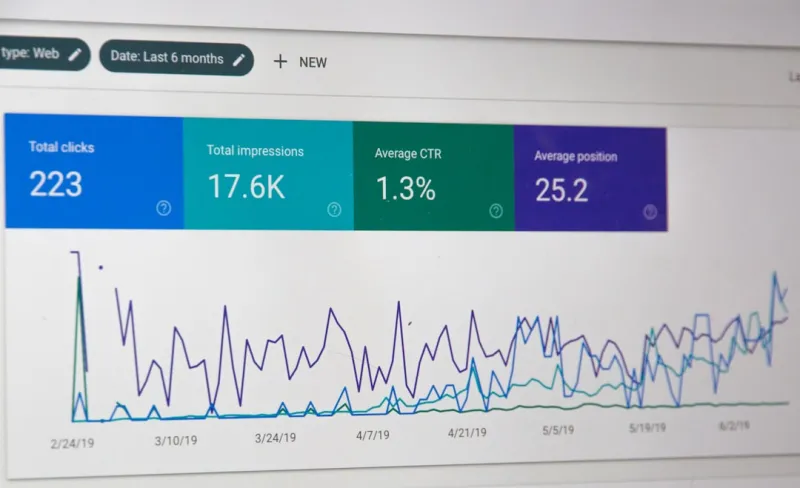
- Intent Coverage Score – How many related sub‑intents does a page satisfy? Use search console data to identify queries that land on the same page.
- Multimodal Engagement Rate – Time spent interacting with videos, infographics, and PDFs.
- Cross‑Language Impression Share – The proportion of impressions your content receives in non‑English searches.
- Entity Relationship Strength – Using internal tools, measure how often MUM surfaces your content when users query related entities.
Set up custom dashboards that pull these signals together. When you see a spike in Intent Coverage alongside stable traffic, you know MUM is rewarding your holistic approach.
Future‑Proofing Your SEO Strategy
The only certainty is that Google’s AI models will continue to evolve. Here’s how to stay ahead:
- Invest in Content Depth – Keep expanding pillars with new modalities and updated data.
- Adopt a Structured Data First Mindset – Mark every asset with the most appropriate schema.
- Focus on User Experience – Fast load times, mobile‑friendly layouts, and intuitive navigation are non‑negotiable.
- Monitor AI‑Driven Search Trends – Follow Google’s research publications and community forums for early hints of upcoming model changes.
By treating MUM as a partner rather than a threat, you can turn its sophisticated understanding of content into a competitive moat. The era of keyword‑centric SEO is fading; the era of intent‑centric, multimodal experiences is here.
Take the First Step Today
Pick one high‑traffic blog post, audit it against the checklist above, and transform it into a multimodal pillar. Add a short explanatory video, an infographic, and a link to a relevant API doc. Then watch how the page starts to capture a broader range of queries, including those you never targeted explicitly. That’s the power of MUM—turning a single piece of content into a hub of knowledge that Google can remix across formats, languages, and user intents.

Related Posts

The AI‑Driven Future of Google Rankings: Navigating Bias, Feedback Loops, and Real‑World Strategies
Discover how Google's AI‑focused ranking engine alters search dynamics, the hidden feedback loops ... Read More
Decoding the Latest Google Algorithm Shifts: What SEOs Need to Know
A deep dive into Google’s algorithm updates reveals why empathy, technical health, and user‑cent... Read More

The Impact of Google Algorithms on Your Online Presence
Google algorithms are complex and constantly evolving. Learn how to optimize your online presence an... Read More
Top Posts

Unlocking WordPress’s Hidden SEO Arsenal: From Blocks to APIs
Explore a fresh WordPress SEO blueprint that blends Gutenberg schema, API‑driven sitemaps, AI editing, and automated image optimization for faster, more autho...Read More

Modular Content Creation: Turning One Idea into a Multi‑Channel Engine
Discover a modular approach to content creation that transforms a single deep‑dive into a suite of platform‑specific pieces, maximizing impact while saving ...Read More

Social Media Advertising in 2024: David Moore’s Insider Playbook
David Moore shares a 2024 playbook for social media advertising, covering short‑form video, data‑driven targeting, creative authenticity, SEO integration, a...Read More

Human‑Centric Social Media Strategy: Sanji Patel’s Blueprint for 2024 Success
Sanji Patel reveals a human‑centric social media strategy for 2024, blending authentic storytelling, data insights, and sustainable practices to drive real co...Read More
0 Comments
Post Comment
You will need to Login or Register to comment on this post!