
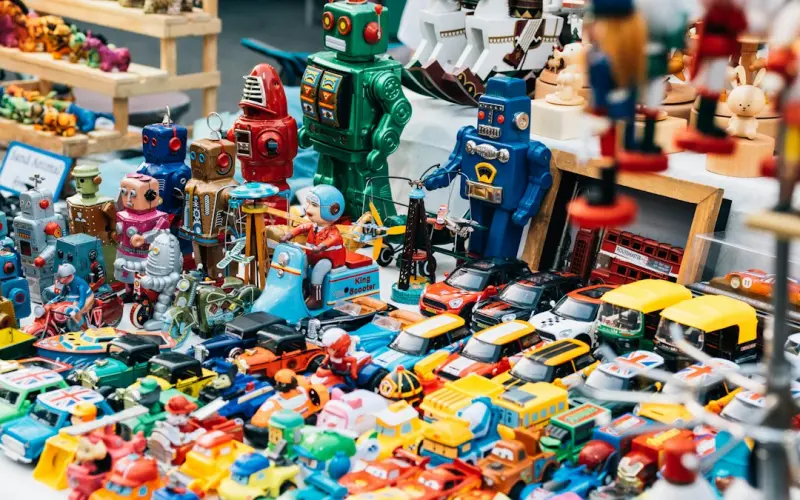
The Community‑Driven Play Revolution: How Toy Libraries Are Changing the Game
When I was a kid, the local library was my portal to worlds beyond the pages – I could borrow books, attend story hours, and even check out a tiny wooden train set that the library kept on a dusty shelf. Fast‑forward to today, and that nostalgic corner of my childhood has transformed into a bustling hub of creativity, learning, and sustainability. Toy libraries, once a niche concept, are now sprouting up in neighborhoods, co‑working spaces, and even corporate campuses, offering a fresh, community‑focused angle on play that goes beyond the glitter of the latest gizmo.
Why Toy Libraries Matter – More Than Just Free Toys
At first glance, the idea seems simple: lend toys the same way libraries lend books. But dig a little deeper, and you’ll discover a multi‑layered ecosystem that tackles three major challenges in the modern toy market:
- Economic Access: Not every family can afford the rapid churn of trending toys that disappear from shelves within months. Toy libraries democratize access, letting children experiment with a diverse range of playthings without the price tag.
- Environmental Impact: The average child receives dozens of plastic toys each year, many of which end up in landfills after a short lifespan. By sharing, we extend the life cycle of each item, cutting waste dramatically.
- Developmental Breadth: A single household may only own a handful of play categories – perhaps a few building blocks and a couple of plush animals. Toy libraries curate collections that span STEM kits, artistic tools, role‑play costumes, and sensory kits, giving kids a richer palette for curiosity.
From Book Shelves to Play Shelves: The Evolution of the Model
The modern toy library is not a relic of the past. It borrows the best practices of traditional libraries – cataloguing, membership cards, and return policies – and mixes them with contemporary tech. Many use digital inventory platforms that let members reserve items online, track borrowing history, and receive personalized recommendations based on their child's age and interests.
Some forward‑thinking locations even integrate AI‑driven suggestion engines that analyze play patterns across the community to suggest new toys that fill gaps in a child’s developmental journey. This marriage of technology and community ensures that the library remains relevant, fresh, and ever‑evolving.
Community Building Through Play
Beyond the transactional aspect of borrowing, toy libraries act as social glue. They host workshops, maker nights, and themed playdates that bring families together. Imagine a Saturday morning where parents and kids gather to build a cardboard spaceship, then swap it for a robotics kit later in the day. These events foster:
- Peer Learning: Children watch each other explore new toys, picking up techniques and ideas organically.
- Parental Networking: Parents share tips on child development, toy safety, and even local resources like after‑school programs.
- Intergenerational Connections: Many libraries invite seniors to lead craft sessions, creating a bridge between generations through shared creation.
Designing a Toy Library That Thrives
If you’re considering launching a toy library, here are the core components to keep in mind:
1. Curate with Purpose
Start by mapping the community’s needs. Conduct surveys or host focus groups to understand what age groups are most represented and what play gaps exist. A balanced collection might include:
- STEM kits (circuit boards, coding robots)
- Open‑ended construction (magnetic tiles, wooden blocks)
- Creative arts (watercolor sets, modeling clay)
- Role‑play and narrative toys (costumes, puppet theaters)
- Sensory and inclusive toys for children with special needs
2. Implement Smart Inventory
Adopt a cloud‑based catalog system that tracks each item’s condition, popularity, and maintenance schedule. This data can reveal hidden insights – perhaps the wooden puzzles are rarely borrowed, indicating a need for better placement or promotion.
3. Establish Clear Policies
Transparent borrowing limits, late fees, and damage protocols protect both the library and its patrons. Consider a “repair‑first” mindset: small fixes are done in‑house, extending each toy’s usable life.
4. Foster Partnerships
Team up with local schools, museums, and even toy manufacturers. Some brands are eager to donate prototype kits in exchange for feedback, turning the library into a live‑testing lab.
5. Promote Sustainability
Make eco‑friendliness a badge of honor. Display recycling bins, offer workshops on upcycling old toys, and highlight the environmental impact saved by each borrowed item.
Success Stories: Real‑World Impact
Brookside Community Center launched a toy library three years ago with a modest collection of 200 items. Today, they boast a membership of 1,500 families and report a 30% reduction in single‑use plastic toy purchases within the neighborhood.
TechHub Co‑Working Space integrated a “play corner” for employee children, featuring a rotating selection of design‑thinking kits. The initiative has not only boosted employee satisfaction but also sparked a quarterly “innovation jam” where kids and adults collaborate on prototype ideas.
Challenges and How to Overcome Them
Every venture faces hurdles. Here are the common ones and practical solutions:
- Funding: Seek grants focused on child development, sustainability, or community health. Crowdfunding campaigns with compelling stories about reducing waste can also attract donors.
- Space Constraints: Use modular shelving and multi‑functional furniture that doubles as storage and play zones.
- Maintenance: Recruit volunteers with a knack for repairs or partner with local vocational schools that need hands‑on practice for their students.
- Awareness: Leverage social media, local newsletters, and school newsletters. Hosting a “Open Play Day” with free demos can draw crowds and convert visitors into members.
The Future: From Local Hubs to Global Networks
Imagine a world where toy libraries are interconnected, sharing inventory data across cities. A child in one town could request a rare STEM kit that’s currently only available in another location, and the system would coordinate a seamless transfer. This vision aligns with the broader trend of “sharing economies,” where access trumps ownership.
Moreover, as artificial intelligence continues to refine personalization, we could see AI assistants that not only recommend toys but also suggest complementary activities – like a storybook paired with a puppet set for a dramatic reading session. The possibilities are as limitless as a child’s imagination.
Take the First Step – Your Community Is Waiting
If you’ve been pondering how to make a tangible impact on children’s lives while championing sustainability, a toy library could be your answer. Start small, listen to your community, and let the joy of shared play guide your decisions. The ripple effects – from reduced waste to stronger neighborhood bonds – are worth every effort.
Remember, the magic of a toy library isn’t just in the toys themselves; it’s in the stories, friendships, and discoveries that unfold when those toys find a new home. So, dust off that old wooden train set, open the doors, and let the next generation of explorers step into a world where play knows no boundaries.

Related Posts
Why AI‑Powered Toys Are Redefining Playtime for Kids
AI‑driven toys are transforming childhood by delivering personalized, interactive experiences that... Read More

The Rise of Eco‑Conscious Play: How Sustainable Toys Are Shaping the Next Generation
A deep dive into the growing world of eco‑friendly toys, highlighting materials, design, gender‑... Read More
The Surprising Power of Unboxing: Why Surprise Packaging Boosts Kids’ Learning
Unboxing isn’t just a trend; it’s a powerful learning tool. Discover how surprise packaging fuel... Read More
Top Posts

Empathy‑First Technical SEO: Turning Data Into Human‑Centric Performance
A deep dive into empathy‑driven technical SEO, showing how data, mobile‑first design, and mindful link building create human‑centric performance and susta...Read More

Unlocking LinkedIn Search: A Tactical Guide for SaaS Leaders
A step‑by‑step guide that shows SaaS marketers how to optimize profiles, articles, and posts for LinkedIn’s internal search, turning the platform into a s...Read More

LinkedIn Content SEO: The Enterprise Playbook
This article reveals how to treat LinkedIn like a secondary search engine, covering keyword mapping, micro‑moment timing, employee advocacy, and measurable KP...Read More

Why Structured Data Is the Missing Link in SaaS Technical SEO
Structured data provides SaaS sites with a clear, machine‑readable signal that can unlock rich results, improve CTR, and future‑proof SEO for AI‑driven se...Read More
0 Comments
Post Comment
You will need to Login or Register to comment on this post!