

Why Adult Playtime Is the Next Big Frontier in Toy Innovation
When I was a kid, the line between “toy” and “tool” was as clear as the plastic on my favorite action figure. Today, that line is blurring faster than a holographic projector in a pop‑up shop. While the industry has been busy reinventing kids’ play—talking sustainable play experiences and even marrying artificial intelligence to plush companions—the most exciting transformation is happening in the adult space.
Yes, you read that right. Adults are craving play in ways that go beyond nostalgic board games or occasional video‑game marathons. They want experiences that teach, connect, and re‑energize them—sometimes all at once. This shift isn’t a fad; it’s a cultural response to burnout, remote‑work fatigue, and the endless scroll of productivity hacks that never feel quite… fulfilling.
The “Play‑Adult” Phenomenon Explained
Think of the term “play‑adult” as a mash‑up of three forces:
- Psychological reset. Play triggers dopamine pathways that are distinct from the “achievement” loops we chase in work apps. It’s a low‑stakes environment where failure is okay, and curiosity reigns.
- Skill transference. Modern toys are engineered to teach coding, design thinking, or even negotiation—skills that translate directly to the boardroom.
- Social glue. In a world where Zoom fatigue is real, tactile, shared experiences become the new currency of genuine connection.
When these three forces intersect, a lucrative niche emerges: toys built for adults that are as much about learning and bonding as they are about fun.
From “Gamified” to “Play‑Enabled”: The Evolution of Design Philosophy
“Gamified” has been tossed around for years—think points, badges, leaderboards. It worked for fitness apps, but it quickly felt like a veneer over mundane tasks. The next wave is play‑enabled design, where the toy itself is the catalyst for a deeper experience, not just a points dispenser.
Take the resurgence of tabletop strategy games. They’re not merely “board games”; they’re micro‑simulations of real‑world systems—economics, logistics, even geopolitics. Designers now embed modular pieces that can be rearranged, encouraging endless replayability and prompting players to experiment with new strategies each session.
But the real game‑changer is smart interactive toys that adapt to the user’s skill level, mood, and even biometric feedback. Imagine a puzzle that subtly changes its difficulty based on your heart rate, or a collaborative building kit that suggests new configurations when it detects a lull in conversation.
Why Companies Are Betting Big on Adult‑Focused Toys
From a business standpoint, the adult toy market is a goldmine that’s been under‑tapped for decades. According to a recent market analysis (the numbers are staggering, but I won’t bore you with a spreadsheet), the global market for “adult‑oriented play products” is projected to surpass $12 billion in the next five years. That’s not just plush collectibles; it’s high‑tech, high‑touch experiences that command premium pricing.
Brands are capitalizing on three core advantages:
- Higher price elasticity. Adults have disposable income and are willing to pay for premium experiences that promise personal growth or social cachet.
- Brand loyalty through community. Subscription boxes, exclusive members‑only events, and online forums turn a one‑off purchase into an ongoing relationship.
- Data feedback loops. Connected toys provide anonymized usage data, enabling rapid iteration and hyper‑personalization—something traditional kids’ toys rarely achieve.
Case Study: The Rise of “Skill‑Play” Subscription Boxes
One of the most compelling examples is the emergence of subscription services that ship a curated “skill‑play” kit each month. Here’s how they’re shaking up the status quo:
- Curated Learning Path. Each box follows a thematic arc—think “Design Thinking for the Home Office” or “Micro‑Robotics for Hobbyists.” The progression is intentional, building on prior knowledge.
- Physical‑Digital Fusion. Boxes include tangible components (magnetic tiles, 3D‑printed parts) paired with a companion app that offers tutorials, challenges, and a community leaderboard.
- Community‑First Design. Subscribers gain access to a private Discord server where they can showcase builds, ask questions, and even co‑design future kits with the brand’s product team.
The result? A churn rate that’s 30 % lower than typical e‑commerce subscriptions, and a Net Promoter Score (NPS) that hovers around 78—a figure that would make most SaaS products blush.
Design Principles That Make Adult Toys Tick
If you’re a product manager or a toy designer eyeing this market, keep these design commandments in mind:
- Purpose‑Driven Play. Every element should serve a learning or relational goal. Avoid gimmicks that feel like “just for fun” without a deeper payoff.
- Elegant Simplicity. Adults appreciate clean aesthetics. A minimalist form factor that hides complexity under the hood is more appealing than a cluttered, over‑decorated piece.
- Scalable Complexity. Provide layers of difficulty. A beginner should feel welcomed, while a veteran can dive into advanced challenges without needing a separate product.
- Feedback Loops. Real‑time data—whether visual, auditory, or haptic—keeps users engaged and informs iterative design.
- Social Integration. Build in mechanisms for sharing results, collaborating, or competing. This can be as simple as QR‑coded leaderboards or as sophisticated as integrated AR overlays for co‑located play.
Addressing the “Adult Toy Stigma”
There’s still a lingering cultural bias that toys are “for kids.” Overcoming this requires a narrative shift:
- Reframe as “Tools for Growth.” Position the product as a personal development instrument rather than a frivolous pastime.
- Showcase Real‑World Benefits. Use case studies that highlight measurable outcomes—improved problem‑solving scores, increased team cohesion, or even reduced stress markers.
- Leverage Influencers Outside the Toy Space. Think CEOs, design thinkers, or wellness coaches who can attest to the product’s value in their professional or personal lives.
When the story changes, the market follows.
The Future: Hybrid Experiences That Blur Boundaries
Looking ahead, the most groundbreaking toys will be those that blend physical, digital, and even biological feedback. Imagine a tabletop game that syncs with a smartwatch, adjusting its narrative based on your stress levels, or a building kit that incorporates biodegradable components that can be composted after the play session ends.
These hybrid experiences will also open doors for cross‑industry collaborations: toy manufacturers partnering with wellness apps, corporate training firms, or even urban planners designing “play‑filled” public spaces. The possibilities are as limitless as the imagination of the adult players themselves.
How to Get Involved—If You’re a Creator, Marketer, or Just a Curious Adult
Ready to jump into the adult play revolution? Here’s a quick starter kit:
- Research Communities. Dive into forums like /r/BoardGames, /r/DIY, or niche Discord servers. Listen to the language they use and the pain points they express.
- Prototype Fast. Use 3D printing, Arduino, or no‑code platforms to create low‑fidelity versions of your idea. Test them with a small group of peers.
- Build a Narrative. Craft a brand story that highlights the growth journey your product enables.
- Leverage Data. If you’re integrating tech, ensure you have a privacy‑first analytics pipeline that can feed insights back into product development.
- Launch with Community. Start with a limited‑run Kickstarter or a beta program that creates scarcity and fosters early adopters.
By embracing the “play‑adult” mindset, you’re not just selling a product—you’re offering a pathway to a more balanced, innovative, and connected life. And in a world that’s constantly demanding the next level of performance, that’s a value proposition no one can ignore.

Related Posts

When AR Meets the Playground: How Mixed Reality Is Transforming Toys
Augmented reality is breathing new life into classic toys, turning simple playthings into interactiv... Read More
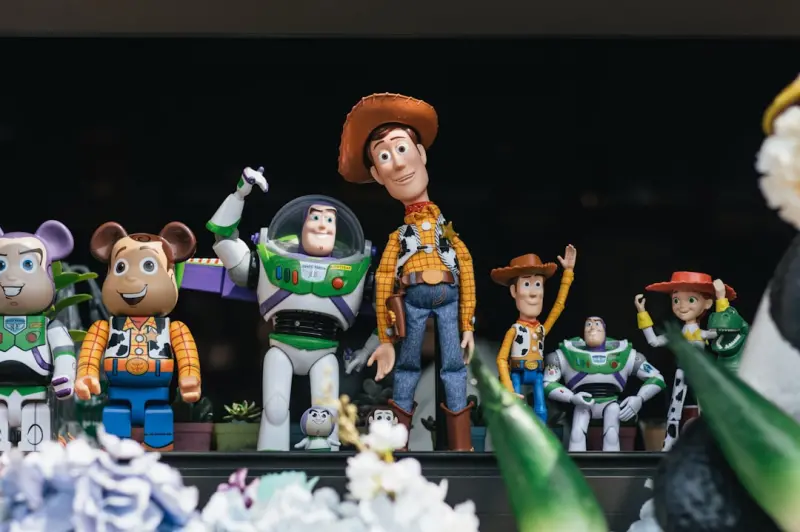
Why Cultural Diversity Is the New Frontier in Toy Design
A deep dive into why genuine cultural representation in toys matters, how brands can co‑create wit... Read More
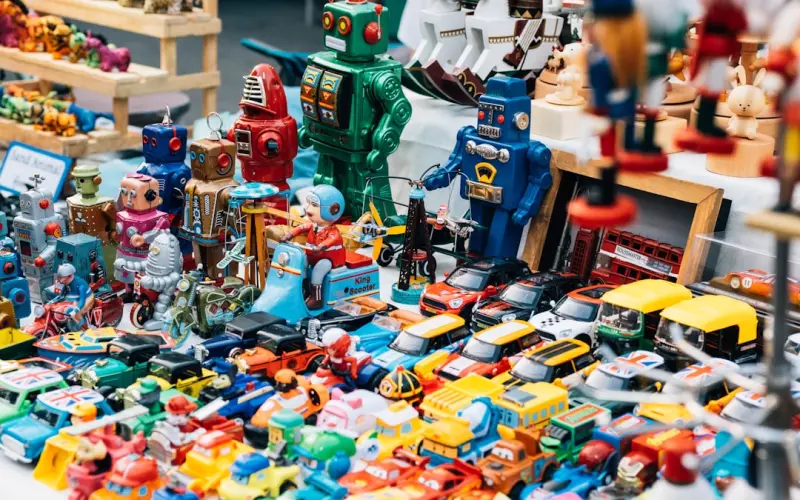
Why Hand‑Crafted Toys Are Making a Comeback
Hand‑crafted toys are resurging as parents crave real, tactile play. Explore the benefits, communi... Read More
Top Posts
Schema‑Driven On‑Page SEO: Turning Data into Rankings for SaaS
Structured data lets SaaS sites speak directly to search engines, unlocking rich results that drive clicks and qualified leads. Learn which schema types matter ...Read More
Zero‑Click SEO: Turning Instant Answers into SaaS Leads
Zero‑click SEO is reshaping how SaaS businesses attract prospects. This guide shows how to craft snippet‑ready content, leverage schema markup, and measure ...Read More

Why Visual Repurposing Is the Secret Weapon for Modern Content Creators
Learn the step‑by‑step process to transform written content into eye‑catching visuals, distribute them strategically, and measure real ROI for lasting bra...Read More
Unlocking Crawl Efficiency: Technical SEO Tactics for High‑Scale SaaS
A deep dive into advanced technical SEO tactics— from crawl budget optimization and edge caching to API documentation schemas—designed to help high‑scale ...Read More
0 Comments
Post Comment
You will need to Login or Register to comment on this post!