

Why Your Customer Success Stories Are the Secret Weapon Your SEO Strategy Needs
When most marketers think “SEO,” the mental image that pops up is usually a spreadsheet full of keywords, a handful of backlinks, and a sprinkle of technical tweaks. But what if I told you that the most authentic, high‑impact SEO boost lives in the very conversations you already have with your happiest customers? In this post I’m pulling back the curtain on a tactic that feels almost too simple to be true: turning customer success stories into SEO gold.
From Testimonial to Traffic Magnet
Let’s start with the premise that a genuine success story is already optimized for relevance. It’s written by a real person, solves a real problem, and speaks the language of your target audience. Search engines love that kind of authenticity because it signals high‑quality, user‑intent‑aligned content. The trick is to structure and amplify that narrative so it also ticks the boxes for search crawlers.
Here’s a quick checklist you can apply to any case study or testimonial:
- Identify the core problem. Phrase it as a question people are likely to type into Google (e.g., “How can SaaS companies reduce churn by 30%?”).
- Map the solution to product features. Use the exact terminology that appears in your product documentation and on your site.
- Quantify the results. Numbers are SEO magnets – they create “snippet‑able” data that Google loves to highlight.
- Include the customer's voice. Direct quotes add semantic richness and natural language variation.
- Layer in structured data. FAQ schema, Review schema, and even entity relationships can help Google understand the context.
Crafting a Story That Ranks
Now, let’s walk through the anatomy of an SEO‑friendly success story. I’ll use a fictional SaaS called “PulseMetrics,” which helps subscription businesses predict churn.
1. The Hook – A Search‑Intent Question
Instead of a bland title like “PulseMetrics Case Study,” try something that mirrors a real query:
“How a Subscription SaaS Cut Churn by 32% Using Predictive Analytics”
This title instantly aligns with long‑tail search intent. It also gives you a natural place to embed a keyword phrase without sounding forced.
2. The Narrative – Problem, Process, Payoff
Break the story into three clear sections, each optimized for both readability and SEO:
- Problem: “Acme Corp was losing $250k per month due to unexpected cancellations.”
- Process: “By integrating PulseMetrics’ API, Acme gained real‑time churn forecasts and automated retention campaigns.”
- Payoff: “Within three months, churn dropped 32%, translating to $85k saved monthly.”
Notice the repetition of key phrases (“churn,” “predictive analytics”) and the inclusion of quantifiable data. Both are signals that Google’s algorithm interprets as high relevance.
3. The Voice – Authentic Quotes
Sprinkle in direct quotes that naturally embed synonyms and related terms:
“We were skeptical at first, but PulseMetrics gave us the confidence to act before a customer even thought about leaving,” says Jenna Lee, VP of Growth at Acme Corp.
This not only adds credibility but also diversifies the semantic footprint of your piece, a factor that feeds into the visual hierarchy for SEO that Google evaluates when parsing page structure.
Technical Enhancements That Make the Difference
Even the most compelling story can fall flat if it’s not technically sound. Below are the SEO‑specific tweaks that elevate a success story from “nice read” to “rank‑ready.”
1. Structured Data Schema
Implement Review and FAQ schema markup. For a case study, you can treat each “Result” as a Q&A pair:
- Question: “What was the churn reduction after using PulseMetrics?”
- Answer: “32% within three months.”
Google often pulls these from the SERP as rich results, giving you extra real‑estate and a higher click‑through rate.
2. Internal Linking Strategy
Link back to related resources on your site. If you have a blog post about the sprint model for rapid content creation, embed it where you discuss the implementation timeline. This creates a web of relevance that search bots love, and it also guides readers deeper into your ecosystem.
3. Image Optimization
Every success story should include at least one high‑quality visual—charts, screenshots, or a photo of the client’s team. Optimize each image with descriptive alt text that mirrors the page’s primary keyword phrase. For example: alt="PulseMetrics churn reduction chart for Acme Corp".
4. URL Structure
Use a concise, keyword‑rich URL:
/case-study/churn-reduction-predictive-analytics
Keep it under 5 words, hyphenated, and reflective of the headline.
Amplification: Turning One Story Into a Content Ecosystem
Publishing a single case study is just the first step. To truly harvest SEO value, you need to repurpose that content across multiple formats. Here’s a roadmap:
- Blog Series: Break the case study into a multi‑part series—Problem Identification, Solution Architecture, Results & ROI.
- Video Interview: Record a short interview with the client’s spokesperson. Host it on YouTube and embed it on the case study page; YouTube is the second‑largest search engine.
- Slide Deck: Create a downloadable PDF that can be hosted on SlideShare, linking back to the original post.
- Social Snippets: Turn key stats into shareable graphics for LinkedIn, Twitter, and Instagram.
- Podcast Segment: Discuss the story on your company’s podcast, referencing the URL in the show notes.
Each touchpoint generates inbound links, social signals, and additional indexing opportunities—all of which feed back into the original case study’s ranking potential.
Measuring Success: SEO Metrics That Matter
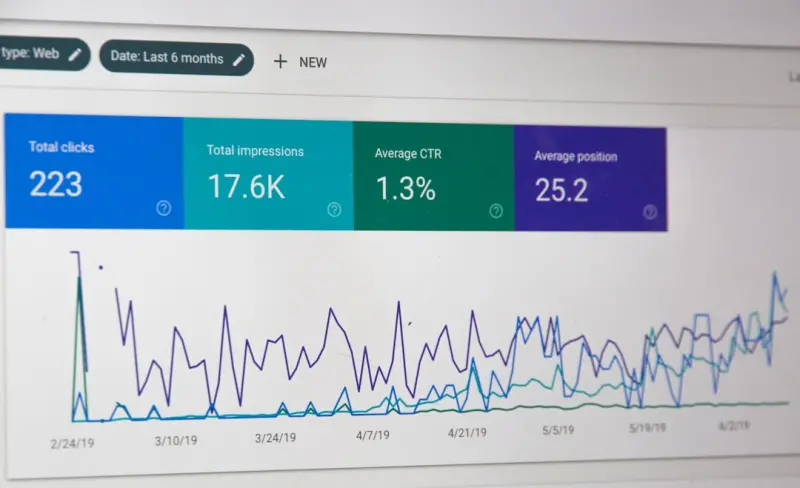
It’s easy to get excited about a beautifully crafted story, but you need data to prove its impact. Track these KPI’s:
- Organic Impressions: Use Google Search Console to monitor how often the page appears in SERPs.
- Click‑Through Rate (CTR): A high CTR indicates that your title and meta description resonate with searchers.
- Average Position: Aim for the first page for your target long‑tail phrase.
- Backlink Acquisition: Set up alerts in Ahrefs or Moz to see who’s linking to your case study.
- Engagement Time: Longer dwell time signals content relevance.
When you see a lift across these metrics, you have concrete proof that a well‑engineered success story can be a high‑performing SEO asset.
Common Pitfalls (And How to Avoid Them)
Even with a solid framework, teams often stumble on a few recurring mistakes:
- Over‑Optimizing Keywords: Stuffing the narrative with exact‑match keywords makes the piece sound robotic and can trigger a Google penalty. Keep the language natural.
- Neglecting Mobile Experience: A case study that’s clunky on mobile will suffer high bounce rates, crushing rankings. Ensure responsive design and fast load times.
- Skipping Structured Data: Without schema, you’re leaving rich snippets on the table.
- One‑And‑Done Publishing: Treat the story as a living asset. Update it with new metrics, add fresh quotes, or expand on the implementation timeline.
Putting It All Together: A Quick Action Plan
Ready to turn your happy customers into SEO champions? Follow this 7‑day sprint:
- Day 1: Identify 3–5 top customers willing to share a success story.
- Day 2‑3: Conduct interviews, capture quotes, and collect quantitative results.
- Day 4: Draft the narrative using the problem‑process‑payoff framework.
- Day 5: Add structured data, optimize images, and set up internal links (including the sprint model link).
- Day 6: Publish the case study and create at least two repurposed assets (e.g., video and slide deck).
- Day 7: Promote via email, social media, and outreach to industry publications for backlinks.
By the end of the week you’ll have a fresh, SEO‑optimized asset that not only tells a compelling story but also pulls in organic traffic, leads, and brand authority.
Final Thoughts: The Human Touch That Beats Algorithms
Search engines have become incredibly sophisticated, but at their core they still aim to surface the most helpful, relevant content for users. When you let your customers speak, you’re delivering exactly that—a human‑centric, problem‑solving narrative that satisfies both people and algorithms. So the next time you’re brainstorming SEO tactics, skip the generic “keyword list” and head straight to the people who love your product. Their stories are the secret sauce you’ve been searching for.

Related Posts
Schema Markup Strategies to Supercharge SaaS SEO
Learn why structured data is a game‑changer for SaaS SEO, with a step‑by‑step blueprint, realâ... Read More

The Role of Technical SEO in Modern Digital Strategy
Technical SEO is a critical component of modern digital strategy, ensuring websites are optimized fo... Read More

Unlocking Traffic with Google Discover: A Fresh SEO Playbook
Discover how to turn Google’s feed into a traffic engine with timely content, eye‑catching visua... Read More
Top Posts

The AI Playbook: How Smart Toys Are Redefining Childhood
Smart toys are evolving from static plastic to AI‑driven companions that learn, adapt, and grow with children. This post dives into the technology, privacy co...Read More

Designing Immersive Content Experiences That Convert
In this post, I explore why modern B2B SaaS marketers should move from static PDFs to modular, interactive content journeys, detailing frameworks, metrics, tech...Read More

Embracing the Evolution of SEO: Strategies for Success in a Changing Landscape
Discover the latest SEO trends and best practices to help you build a strong online presence and drive long-term success. Learn how to adapt your strategy to st...Read More

Crafting a Human‑Centric Social Media Strategy That Converts
Learn why listening and empathy are the new power moves in social media strategy, and how to turn genuine connections into measurable growth and higher rankings...Read More
0 Comments
Post Comment
You will need to Login or Register to comment on this post!